Who Is Mr. Indian Hacker? What to Know and How to Judge Any Hacking Educator
Mr. Indian Hacker, or Dilraj Singh, has become one of the leading cybersecurity influencers in India. Through his YouTube channel, he educates millions on ethical hacking and cybersecurity practices. His engaging tutorials have made ethical hacking accessible to a wide audience, inspiring many to pursue careers in cybersecurity. Despite some criticism for simplicity, Mr. Indian Hacker’s impact on India’s cybersecurity education has been profound.
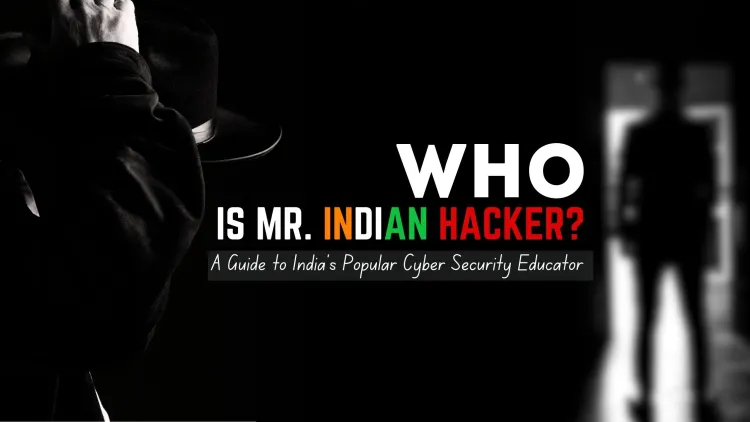
Quick answer: Mr. Indian Hacker is the name of an Indian YouTube channel that publishes technology and hacking-related videos. WebAsha has not verified biographical details about the person behind it, so this page does not repeat them. Whatever creator you follow, judge them by whether their content is accurate, legal, up to date and teaches defence as well as tools.
Key takeaways
- This page does not assert personal details, income or controversies about a named individual, because none are verified here.
- Public creators can be useful for learning, but entertainment and teaching are different things.
- Check any educator for accuracy, clear legal framing, current content and whether they show how to defend as well as attack.
- Practise only on systems you own or have written permission to test. Following a video is not authorisation.
- Back what you learn from videos with documentation, labs and a recognised course or certification.
Who is Mr. Indian Hacker?
Mr. Indian Hacker is the name of a YouTube channel in India that is known for technology and hacking-related videos. People often search for the name to find out who runs the channel. Earlier versions of this page gave a real name, a personal background and a "criticism" section. None of that was backed by sources we can show, and statements about a named person need evidence, so we removed it. For personal details, rely on what the creator has published about themselves on their own channel and on reputable news coverage, and treat unverified claims with care.
Can you learn ethical hacking from YouTube channels?
You can learn parts of it. Videos are good for seeing a tool in action, hearing a concept explained or finding a topic to study. They are weak at giving you a structured path, feedback on your work and the legal and ethical grounding that professionals need. Use them as one input among several.
How do you judge a cybersecurity educator?
| Check | Good sign | Warning sign |
|---|---|---|
| Legal framing | States clearly that testing needs permission and uses lab targets | Demonstrates attacks on real people or sites, or treats law as a joke |
| Accuracy | Explains why something works, cites documentation or CVEs | Claims that a single tool "hacks anything" or that results are instant |
| Currency | Content matches current tool versions and certifications | Old BackTrack-era or Python 2 content presented as current |
| Balance | Teaches defence, detection and reporting as well as attack | Only shows exploitation |
| Honesty | Admits limits and errors, and corrects them | Guarantees jobs, income or quick results |
| Practice | Points you to labs and exercises | Asks you to try things on unknown systems |
What should you do alongside videos?
- Build your own lab with a Kali Linux VM and intentionally vulnerable targets (see the Kali documentation).
- Read the primary documentation for each tool, such as the Nmap reference guide.
- Practise web security in the free labs of the PortSwigger Web Security Academy.
- Keep notes and write short reports of what you learned.
- When you are ready for a credential, check the issuing bodies such as EC-Council (CEH).
Is it legal to copy what you see in hacking videos?
Not on systems you do not own. Under India's IT Act, accessing a computer system without authorisation is an offence, even if you only "try a tool". Videos do not give you permission. Practise in a lab, and if you find a real vulnerability somewhere, report it through the organisation's disclosure channel or to CERT-In instead of exploring further.
What if you were looking for other Indian cybersecurity educators?
Our blog has profiles of other people in Indian cybersecurity, for example Onkar Sonawane and Ankit Fadia. Apply the same checklist to any source, including ours.
Next steps
For structured, instructor-led learning, see WebAsha's ethical hacking and CEH course. A good next read is how to become an ethical hacker.
Related reading
Frequently Asked Questions
What's Your Reaction?
 Like
0
 Dislike
0
 Love
0
 Funny
0
 Wow
0
 Sad
0
 Angry
0

Vaishnavi is a skilled tech professional at the Ethical Hacking Training Institute in Pune, responsible for managing and optimizing the technical infrastructure that supports advanced cybersecurity education. With deep expertise in network security, backend operations, and system performance, she ensures that practical labs, online modules, and assessments run smoothly and securely. Her behind-the-scenes contributions play a vital role in delivering a seamless and secure learning experience for aspiring ethical hackers.