How Cybersecurity Protects Remote Work: MFA, ZTNA and Endpoints
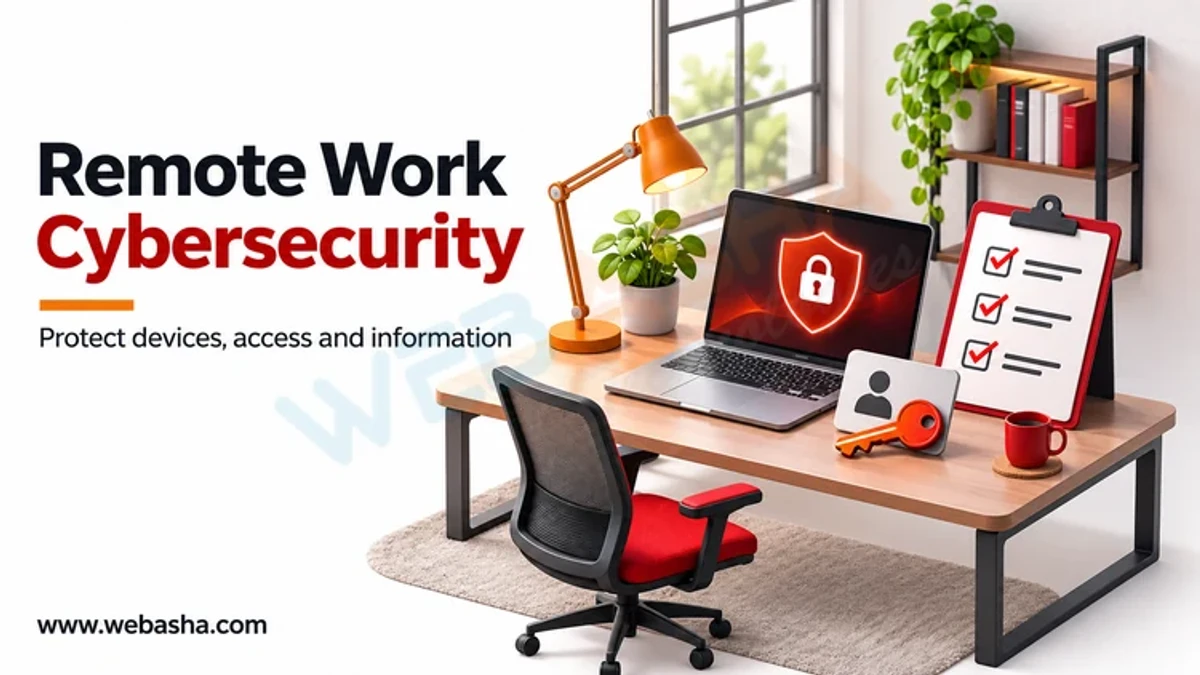
Cybersecurity protects remote work by verifying every user and device before granting access, encrypting connections, and keeping laptops managed and patched wherever they are.
3 posts
Cybersecurity protects remote work by verifying every user and device before granting access, encrypting connections, and keeping laptops managed and patched wherever they are.
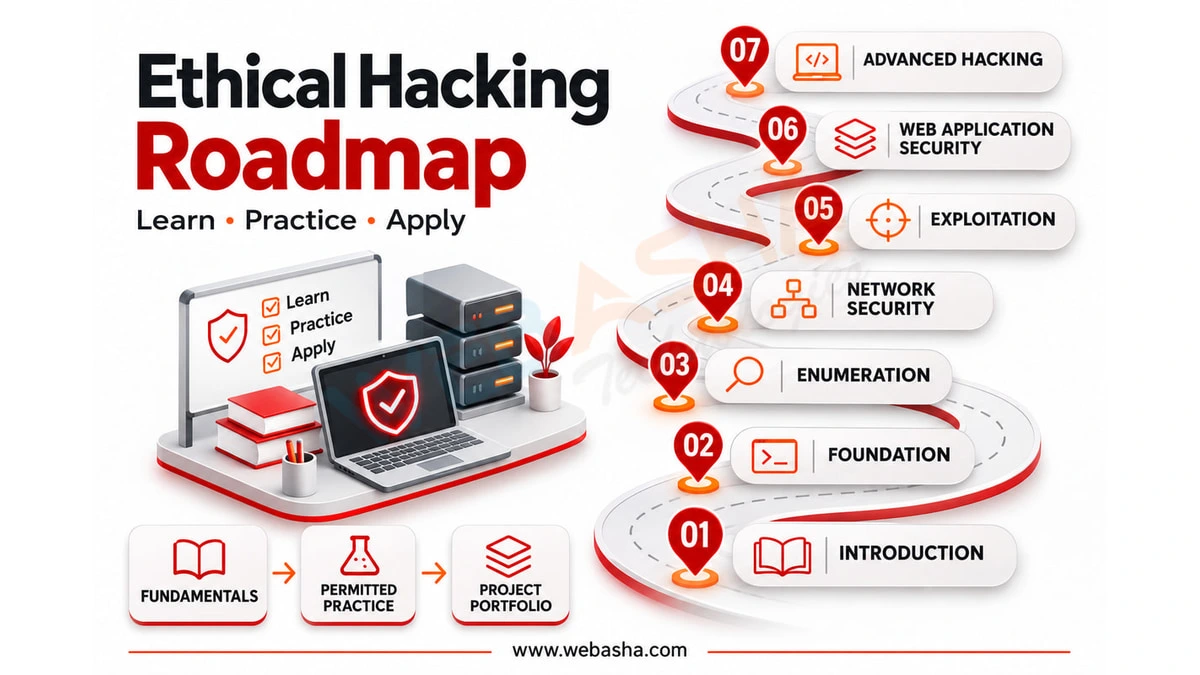
As a business owner you do not need to learn hacking. You need to commission it properly. Ethical hacking is security testing carried out with your written permission to find weaknesses before criminals do. Your job is to decide what should be tested, choose a competent provider, sign a contract and authorisation letter that set the scope and rules, and make sure the findings are fixed and retested.
Business owners should identify critical services and data, assign security responsibilities and check that basic controls actually operate. Prioritise access protection, supported software, recoverable backups, supplier oversight and a rehearsed incident contact process. Ask for evidence such as an access review or a safe restoration record rather than relying only on product purchases or policy documents.