Welcome!

Unlock your personalized experience.
Sign Up
Tag

Cyber threat protection Articles, Guides & Tutorials

4 posts

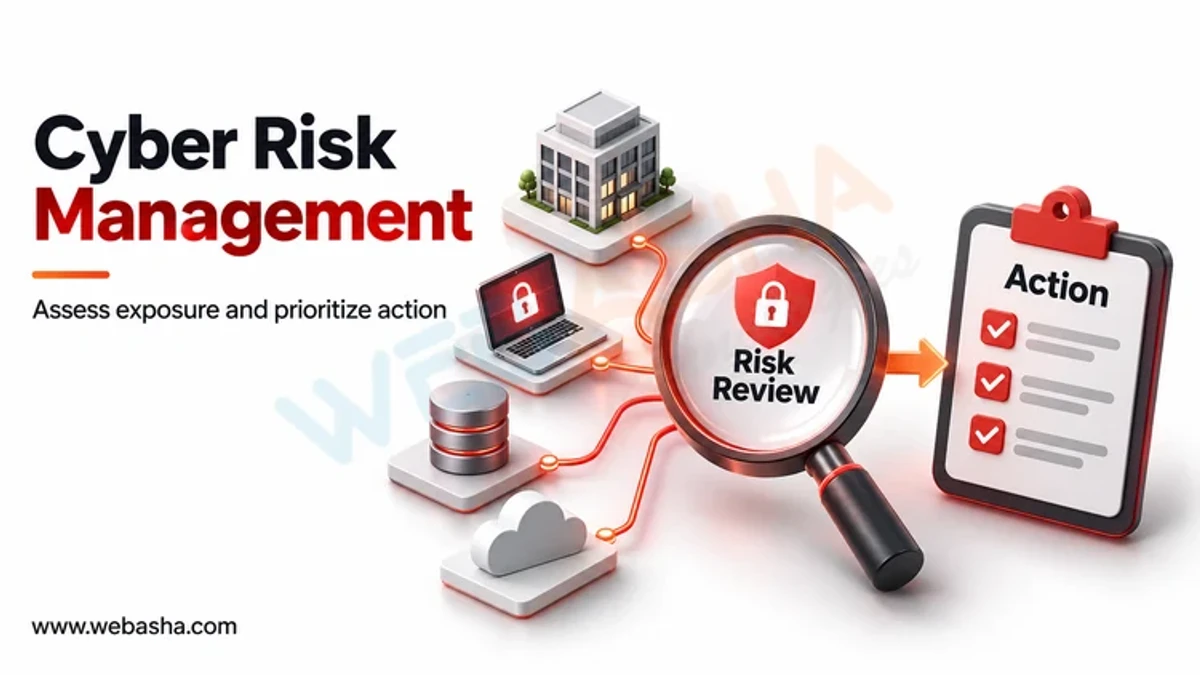
Risk Management in Cybersecurity: Strategies, Frameworks and Tools

Cybersecurity risk management is the ongoing process of identifying what could harm your information systems, estimating how likely and how damaging each risk is, deciding how to treat it, and monitoring it over time. The four treatment options are mitigate, accept, transfer and avoid. The main frameworks are NIST SP 800-30 Rev. 1 for risk assessment, NIST SP 800-37 Rev.
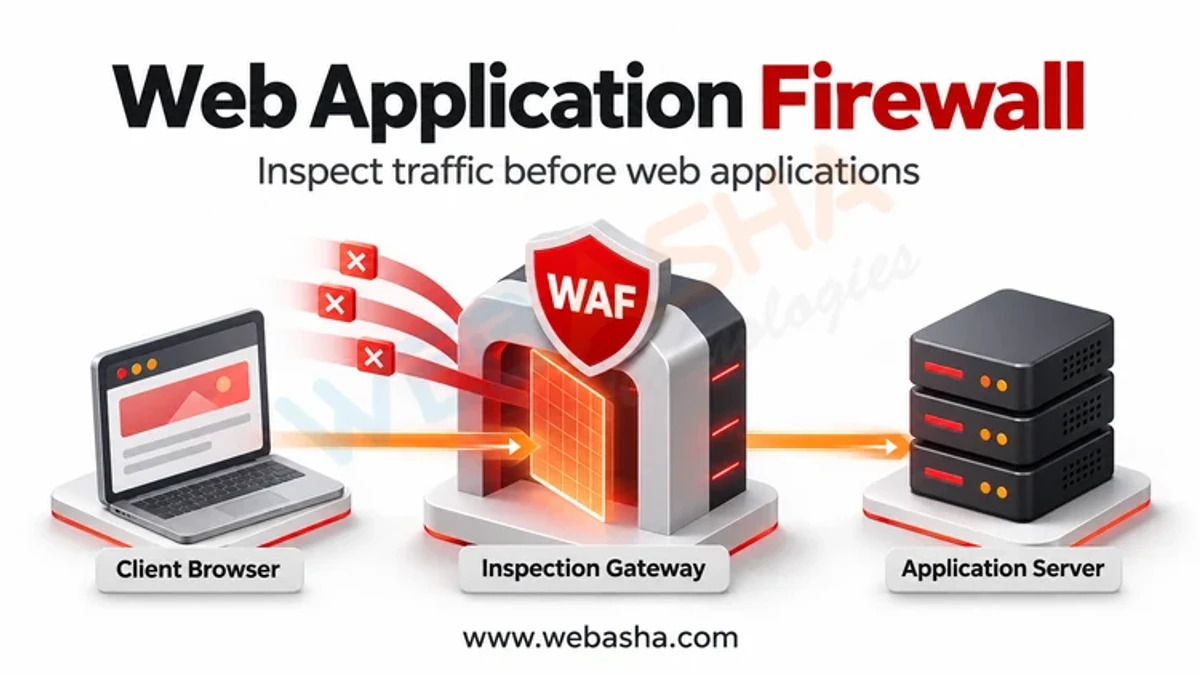

Why Every Business Needs a Web Application Firewall (WAF)

A web application firewall (WAF) inspects HTTP and HTTPS traffic between users and a web application and blocks requests that match attack patterns such as SQL injection, cross-site scripting and known exploit signatures. Businesses need one because public web apps and APIs are attacked constantly, patches take time, and a WAF can apply a virtual patch within hours.

Security Engineer Role Profile: Daily Tasks, Skills and Certifications

A security engineer designs, builds and maintains the controls that protect an organisation's systems: firewalls, identity and access controls, hardened servers, logging pipelines, cloud guardrails and secure build processes. In the NIST NICE Framework (Components v2.2.0) the work maps mainly to Cybersecurity Architecture (DD-WRL-001), Secure Systems Development (DD-WRL-004) and Infrastructure Support (PD-WRL-004).

Cybersecurity for Small Businesses: Protect the Work That Matters

A small business should start cybersecurity planning with its essential work: taking orders, receiving payments, delivering services and recovering records. Identify the people, devices, accounts and suppliers that support those tasks, then assign practical protections and response responsibilities. Backups, unique access, updates and staff reporting all need owners.