How to Effectively Showcase Your DevOps Expertise to Employers
In today’s competitive DevOps job market, showcasing your skills is crucial to landing an interview and impressing potential employers. You can do this by building a solid portfolio of real-world projects, earning certifications, and creating an online presence through platforms like GitHub and LinkedIn. Networking with industry professionals and staying up to date with the latest tools and trends can also enhance your visibility. Most importantly, hands-on experience is key—participate in open-source projects, hackathons, and challenges to demonstrate your practical knowledge. With these strategies, you’ll be well-equipped to showcase your DevOps skills and take your career to the next level.
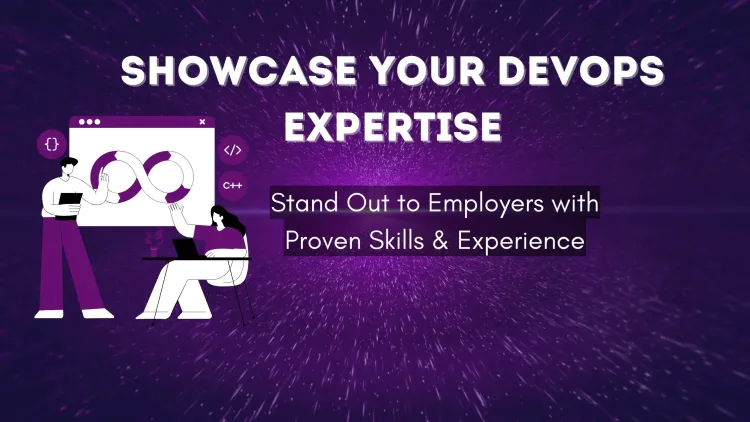
Quick answer: To showcase your DevOps expertise, build a portfolio of real projects on GitHub, such as a CI/CD pipeline, an infrastructure-as-code setup and a monitored container deployment. Add relevant certifications, write short notes on what you built and why, and be ready to explain your choices in an interview.
Key takeaways
- Put real projects on GitHub, such as a CI/CD pipeline.
- Explain each project in a short README.
- Link them on your resume.
In the competitive job market, demonstrating your expertise as a DevOps professional requires more than just listing skills on a resume. Employers look for hands-on experience, real-world projects, and problem-solving abilities. Whether you're an aspiring DevOps engineer or an experienced professional, showcasing your skills effectively can significantly increase your chances of landing your dream job.
Actionable strategies can showcase your DevOps skills and make a strong impression on potential employers.
1. Build a Strong Portfolio of DevOps Projects
A portfolio serves as concrete evidence of your skills. Here's how you can build one:
- Include Real-World Projects: Highlight CI/CD pipeline setups, cloud deployments, or containerized applications using tools like Jenkins, Docker, and Kubernetes.
- Open-Source Contributions: Contribute to GitHub repositories or create your own to showcase your coding and scripting skills.
- Documentation: Add detailed descriptions of your projects, the tools you used, and challenges you overcame.
| Key Portfolio Projects | Tools/Technologies |
|---|---|
| CI/CD Pipeline | Jenkins, GitLab, AWS |
| Containerized Applications | Docker, Kubernetes |
| Infrastructure as Code | Terraform, Ansible |
| Monitoring and Logging | Prometheus, Grafana |
2. Earn Industry-Recognized Certifications
Certifications validate your skills and knowledge in specific DevOps areas.
- Top Certifications for DevOps Professionals:
- AWS Certified DevOps Engineer – Professional
- Docker Certified Associate
- Certified Kubernetes Administrator (CKA)
- Microsoft Azure DevOps Solutions
- HashiCorp Certified: Terraform Associate
These certifications prove your expertise in cloud computing, containerization, and automation. Mention them prominently on your resume, LinkedIn profile, and during interviews.
3. Create a DevOps-Focused Resume
Your resume should highlight your skills and experience clearly and concisely.
- Include Key Sections:
- Technical Skills: List tools like Git, Docker, Kubernetes, Terraform, and Jenkins.
- Projects: Summarize your hands-on work.
- Certifications: Mention industry-recognized credentials.
- Use Action Words: For example, “Automated deployment pipelines using Jenkins, reducing deployment time by 40%.”
4. Develop a Personal Brand Online
A strong online presence can help recruiters find you.
- LinkedIn:
- Optimize your profile with DevOps-related keywords.
- Share industry insights, articles, or personal experiences.
- Join DevOps-related groups and participate in discussions.
- GitHub:
- Maintain an active GitHub profile showcasing your projects and contributions.
- Include a README file with a summary of each project.
- Personal Blog or Portfolio Website:
- Share your learnings, tutorials, or case studies.
- Demonstrate your problem-solving approach.
5. Network with Industry Professionals
Networking can open up new opportunities and help you stay updated on industry trends.
- Attend DevOps Meetups and Conferences: Participate in events like AWS re:Invent or KubeCon.
- Join Online Communities: Engage in discussions on platforms like Reddit, DevOps Discord groups, or Stack Overflow.
- Seek Mentorship: Connect with experienced professionals who can guide your career.
6. Gain Hands-On Experience Through Labs and Challenges
Practical experience matters in DevOps.
- Platforms like KodeKloud, AWS Free Tier, and Google Cloud Skills Boost offer hands-on labs.
- Participate in challenges like Hackathons or Capture The Flag (CTF) events focused on DevOps.
7. Showcase Problem-Solving Skills During Interviews
In interviews, demonstrate how you’ve solved real-world challenges.
- Example Questions to Prepare:
- “How did you automate a CI/CD pipeline in a previous project?”
- “Can you explain how you optimized infrastructure costs using IaC tools?”
- Use the STAR Method (Situation, Task, Action, Result) to structure your answers effectively.
8. Keep Learning and Stay Updated
The DevOps landscape evolves rapidly. Keep learning to stay ahead.
- Follow Blogs and Podcasts: Examples include DevOps.com and The Cloudcast.
- Enroll in Online Courses: Platforms like Coursera and WebAsha Technologies offer up-to-date training.
- Experiment with Emerging Tools: Explore tools like ArgoCD, GitOps, and Chaos Engineering platforms.
Conclusion
Showcasing your DevOps skills requires a combination of technical expertise, hands-on experience, and strategic self-promotion. By building a portfolio, earning certifications, networking, and staying updated on industry trends, you can effectively demonstrate your capabilities to potential employers. Remember, your unique problem-solving approach and passion for continuous improvement will set you apart in the dynamic DevOps field.
To take this further with guided labs and an instructor, see our our DevOps classes.
Related reading
- How Can I Showcase My Cloud Skills to Potential Employers? The Complete Guide
- Start Practicing DevOps Today | A Beginner’s Guide to Hands-On Experience with Tools
- How Can I Showcase My Ethical Hacking Skills to Potential Employers?
- The Impact of Social Media on Professional Networking in 2026 | The Detailed Guide
Frequently Asked Questions
What's Your Reaction?
 Like
0
Like
0
 Dislike
0
Dislike
0
 Love
0
Love
0
 Funny
0
Funny
0
 Wow
0
Wow
0
 Sad
0
Sad
0
 Angry
0
Angry
0

Vaishnavi is a skilled tech professional at the Ethical Hacking Training Institute in Pune, responsible for managing and optimizing the technical infrastructure that supports advanced cybersecurity education. With deep expertise in network security, backend operations, and system performance, she ensures that practical labs, online modules, and assessments run smoothly and securely. Her behind-the-scenes contributions play a vital role in delivering a seamless and secure learning experience for aspiring ethical hackers.


![Top 10 Famous Ethical Hackers in India [Updated 2026]](https://www.webasha.com/blog/uploads/images/202608/image_450x280_b3317756e192c8d5e1fb674259f1a0c3.jpg)