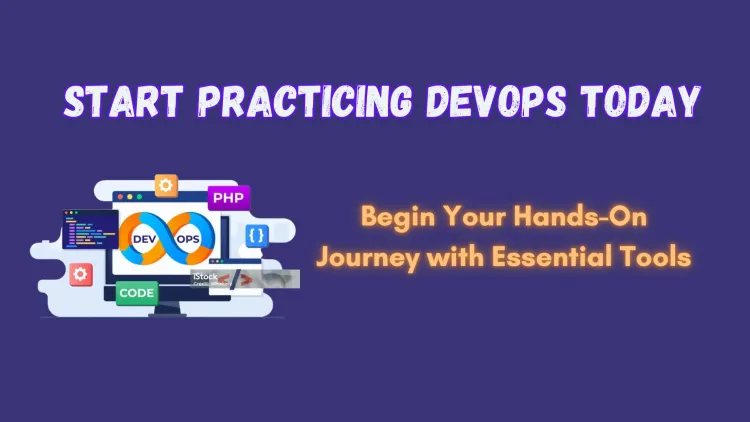
Start Practising DevOps Today | A Beginner's Guide to Hands-On Experience with Tools
Gaining hands-on experience in DevOps is crucial for mastering the skills required to excel as a DevOps Engineer. This blog provides an in-depth guide on how to build practical knowledge in the field. It covers strategies like setting up a DevOps home lab, contributing to open-source projects, taking online interactive courses, and creating real-world projects such as CI/CD pipelines and automated deployments. Readers will also learn about participating in DevOps challenges, using sandboxes for experimentation, and leveraging cloud platforms like AWS, Azure, and Google Cloud. The blog emphasizes the value of certifications, internships, and documenting projects on platforms like GitHub to showcase expertise. By following these steps, aspiring DevOps professionals can confidently prepare for real-world challenges and secure promising roles in the industry.
Quick answer: To practise DevOps as a beginner, set up a small project: store code in Git, build a CI/CD pipeline, package the app in Docker, deploy it with Kubernetes or a cloud service and add monitoring. Automate each step with scripts or Ansible. Document the project on GitHub so employers can see your work.
Key takeaways
- Start a small project with Git, a CI/CD pipeline and Docker.
- Deploy to a cloud free tier.
- Write a README to explain it.
The field of DevOps is part of modern software development and operations. With businesses increasingly adopting DevOps practices to streamline workflows, automate processes, and enhance collaboration, aspiring DevOps professionals need practical, hands-on experience. Here are strategies to help you acquire real-world experience with DevOps tools and practices.
Why Hands-On Experience is Essential in DevOps
DevOps is a practical discipline that revolves around the use of tools, automation, and collaboration. Simply understanding theoretical concepts is not enough. Employers seek candidates who can:
- Work with CI/CD pipelines.
- Use tools like Jenkins, Docker, Kubernetes, and Ansible.
- Automate infrastructure using Infrastructure as Code (IaC) tools like Terraform.
- Monitor and troubleshoot systems using Prometheus, Grafana, or ELK Stack.
Hands-on experience equips you with the skills and confidence to handle real-world challenges in DevOps environments.
Ways to Gain Hands-On Experience with DevOps Tools
1. Build Your Own DevOps Lab
Setting up a home lab is one of the most effective ways to gain hands-on experience. Use the following steps:
| Requirement | Tools to Use |
|---|---|
| Virtualization | VirtualBox, VMware, or Hyper-V |
| Cloud Simulations | AWS Free Tier, Google Cloud, or Azure Free Tier |
| Containerization | Docker |
| Configuration Management | Ansible, Chef, or Puppet |
| CI/CD Pipelines | Jenkins, GitHub Actions |
| Monitoring | Prometheus, Grafana |
Key Tip: Start by creating a simple project such as setting up a Docker container and automating its deployment using Jenkins.
2. Contribute to Open Source Projects
Open-source platforms offer a fantastic opportunity to work on real-world projects and collaborate with experienced developers.
- Explore platforms like GitHub, GitLab, or SourceForge.
- Search for repositories tagged with topics like "DevOps" or "CI/CD pipelines."
- Contribute to projects that use popular tools like Docker, Kubernetes, or Terraform.
3. Take Advantage of Online Learning Platforms
Enroll in hands-on courses or programs that emphasize practical implementation. Platforms like:
- Udemy: Offers courses focused on Jenkins, Docker, Kubernetes, and CI/CD.
- Coursera: Features professional certifications from institutions like Google and IBM.
- edX: Provides courses on cloud DevOps and CI/CD pipelines.
- Katacoda: A simulation-based platform for learning DevOps tools interactively.
4. Work on Real-World DevOps Projects
Creating real-world projects is one of the most impactful ways to gain experience. Some examples include:
- CI/CD Pipeline: Create a pipeline using Jenkins or GitHub Actions to automate testing and deployment.
- Deploy a Web Application: Use Docker to containerize a web application and Kubernetes to orchestrate it.
- Infrastructure Automation: Write Ansible playbooks or Terraform scripts to manage infrastructure.
5. Participate in Hackathons and DevOps Challenges
Join online DevOps hackathons or challenges to test your skills and gain exposure. Platforms like Hackerearth, Cloud Guru, and DevOps Institute regularly host such events.
6. Explore Cloud Platforms
Cloud platforms like AWS, Azure, and Google Cloud are integral to modern DevOps practices. Use their free tiers to:
- Experiment with setting up cloud infrastructure.
- Automate deployments using IaC tools like Terraform or CloudFormation.
- Learn about services like AWS CodePipeline or Azure DevOps.
7. Practice Using DevOps Sandboxes
DevOps sandboxes provide safe, pre-configured environments where you can experiment without fear of breaking things. Some useful platforms include:
- Play with Docker: Practice Docker commands and build images.
- Minikube: Run Kubernetes clusters locally on your system.
- Katacoda: Offers interactive labs for various DevOps tools.
8. Join DevOps Communities
Collaborate with peers and learn from experienced professionals by participating in DevOps communities:
- Reddit: Subreddits like r/devops or r/docker provide valuable insights and discussions.
- Slack and Discord Groups: Join DevOps-focused groups to network and solve problems collaboratively.
9. Earn Certifications
Certifications validate your skills and provide hands-on experience through practical labs and assessments. Popular certifications include:
| Certification | Provider | Focus Area |
|---|---|---|
| AWS Certified DevOps Engineer | AWS | Cloud DevOps practices |
| Docker Certified Associate | Docker | Containerization |
| Certified Kubernetes Administrator | CNCF | Kubernetes and orchestration |
| Terraform Associate Certification | HashiCorp | IaC and automation |
10. Internships and Freelance Projects
Internships or freelance roles provide exposure to real-world DevOps environments. Platforms like LinkedIn, Upwork, and Fiverr can help you find opportunities to apply your skills.
Best Practices for Gaining Hands-On Experience
- Start Small: Begin with simple tasks like building a Docker container before progressing to advanced CI/CD pipelines.
- Document Your Work: Maintain a portfolio of your projects on GitHub to showcase your skills to employers.
- Stay Updated: Follow blogs, podcasts, and YouTube channels to keep up with the latest DevOps trends and tools.
Conclusion
Becoming proficient in DevOps requires more than theoretical knowledge, it demands hands-on experience with tools and practices. Whether you’re setting up a home lab, contributing to open-source projects, or participating in online challenges, each step will bring you closer to mastering DevOps. By continuously building, experimenting, and documenting your projects, you can gain the practical expertise required to excel as a DevOps Engineer.
To take this further with guided labs and an instructor, see our online DevOps training.
Related reading
- Mastering the DevOps Interview | Essential Tips, Tools, and Questions to Ace Your Next Job Opportunity
- What Does It Take to Be a DevOps Engineer – Essential Skills You Need Today
- Top Certifications to Boost Your Career as a DevOps Engineer | A Comprehensive Guide
Reference
For the authoritative details, see Docker documentation.
Frequently Asked Questions
What's Your Reaction?
 Like
0
Like
0
 Dislike
0
Dislike
0
 Love
0
Love
0
 Funny
0
Funny
0
 Wow
0
Wow
0
 Sad
0
Sad
0
 Angry
0
Angry
0

Vaishnavi is a skilled tech professional at the Ethical Hacking Training Institute in Pune, responsible for managing and optimizing the technical infrastructure that supports advanced cybersecurity education. With deep expertise in network security, backend operations, and system performance, she ensures that practical labs, online modules, and assessments run smoothly and securely. Her behind-the-scenes contributions play a vital role in delivering a seamless and secure learning experience for aspiring ethical hackers.