Welcome!

Unlock your personalized experience.
Sign Up
Tag

Automated cybersecurity Articles, Guides & Tutorials

5 posts

Skills Ethical Hackers Need as AI Tools Spread

As AI tools spread into penetration testing, the skills that matter most are the ones AI does poorly: deep understanding of protocols, operating systems and web applications; judgement about business impact; careful verification of tool output; clear reporting; and strict respect for scope and legal authorisation. New skills are also needed.


Can AI Predict Cyber Attacks? The Limits of Base Rates and Alerts

AI can estimate which vulnerabilities are likely to be exploited, which assets are most exposed and which activity looks unusual, but it cannot reliably predict a specific attack before it happens. The main obstacle is the base rate: real attacks are rare compared with normal events, so even an accurate model produces many more false alarms than true detections.

Should Governments Regulate AI-Powered Cybersecurity Tools?

There is a reasonable case for some regulation and a strong case against blanket rules. AI security tools can be misused for attacks, can fail in ways that harm users, and process sensitive data, which supports rules on transparency, data protection and export of offensive capabilities. But heavy rules can slow defenders, while attackers ignore the law. Current approaches reflect this balance.

AI in Red Team Operations: Planning, Emulation and ATT&CK Mapping

In red team operations, AI is most useful for the work around the attack simulation: turning threat intelligence into realistic scenarios, mapping planned activity to MITRE ATT&CK, helping run approved emulation plans on platforms such as MITRE Caldera, and writing clear reports for defenders. It is far less dependable at the creative, stealthy decision-making a live engagement needs.

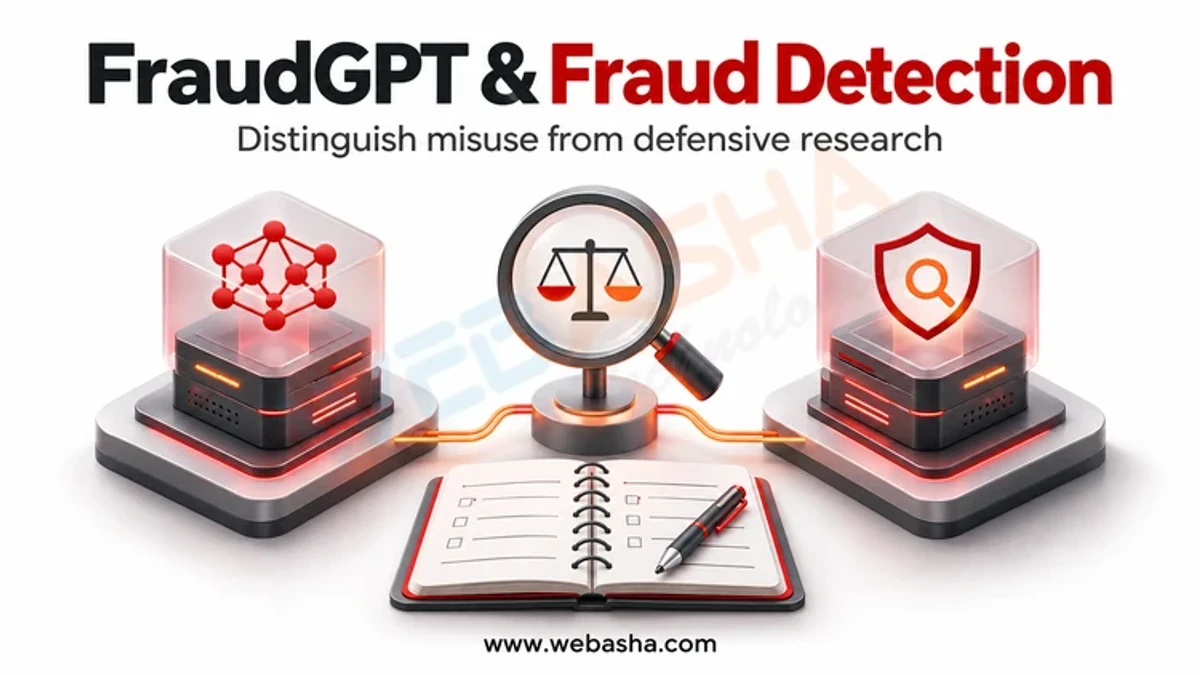
FraudGPT vs AI Fraud Detection: What Reports Show and How to Defend

FraudGPT was a chatbot advertised on dark web forums and Telegram channels from July 2023, according to research by Netenrich. Sellers marketed it for writing phishing emails, creating scam pages and supporting carding, sold as a paid subscription. Researchers could not confirm how well it worked, and seller claims were unverified.