Welcome!

Unlock your personalized experience.
Sign Up
Tag

CompTIA Security+ Articles, Guides & Tutorials - Page 2

39 posts Page 2 / 3

Becoming a Cybersecurity Analyst With No IT Experience

Start preparing for analyst work by learning how systems produce events and how to distinguish observations from conclusions. Build basic account, network and operating-system knowledge, then practise with synthetic records or an explicitly authorised lab. Document a timeline, possible explanations, missing information and an appropriate escalation.
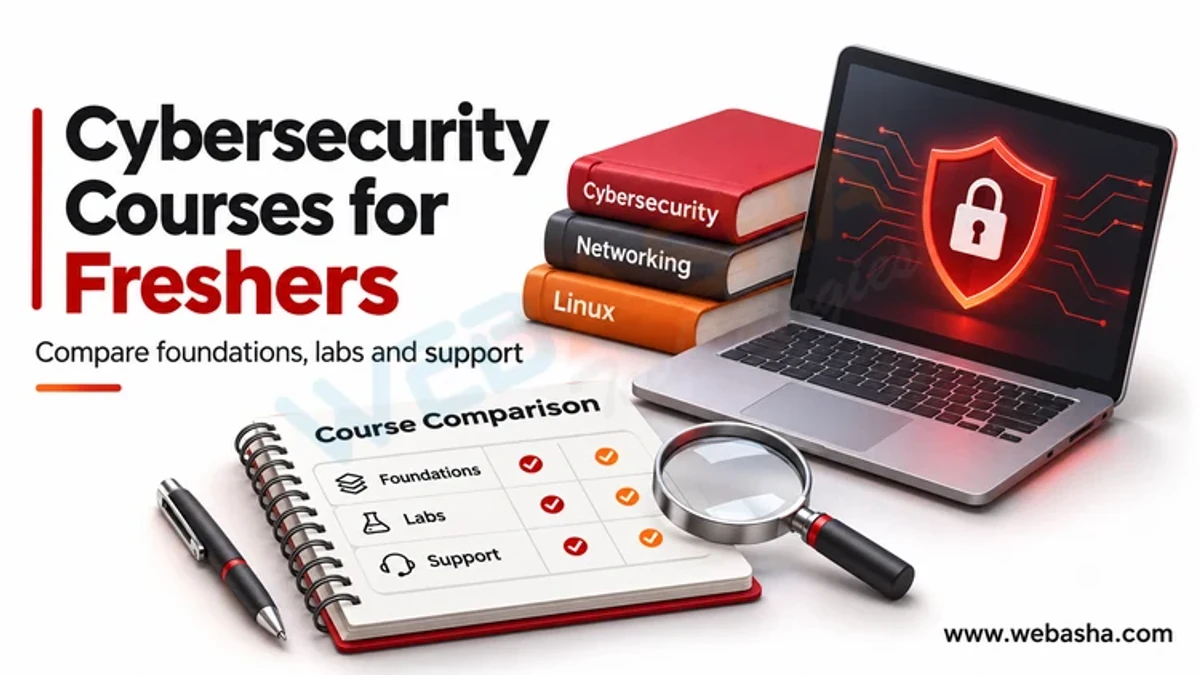
Choosing a Cybersecurity Course as a Fresher

Choose a fresher cybersecurity course by comparing its starting assumptions, practical tasks and feedback with the work you want to explore. Ask for a sample lesson and a reviewed exercise, not only a certificate logo or tool list. A foundation course, an analyst course and a penetration-testing programme need different prerequisites and assessments.

Cybersecurity Certification Study for a Non-IT Background

A non-IT learner should choose a certification study plan that teaches unfamiliar concepts, provides suitable practice and checks understanding before an examination booking. Start with the published objectives and sample teaching, then identify which prerequisites need separate instruction. Foundation credentials such as ISC2 CC and Cisco CCST Cybersecurity cover different scopes from specialist testing assessments.

Which Cybersecurity Course Should You Start With?

Start with the course that teaches the first missing foundation in the task you want to learn. If accounts, files or browser requests are unfamiliar, choose computing or network foundations before a specialist security lab. If those concepts are familiar, compare introductory security instruction and a small authorised exercise with feedback. Try a sample lesson before paying for a large package.

How Can a Fresher Join Cybersecurity? Practical First Steps

A fresher can prepare for cybersecurity applications by choosing a specific responsibility, checking its entry conditions and assembling honest evidence of relevant learning. Apply through verified channels, follow assessment rules and ask about supervision before accepting operational duties. An offer and a training certificate are different outcomes, so avoid depending on a course's hiring promise.

Can You Learn Cybersecurity With No IT Experience?

You can begin cybersecurity learning without prior IT employment by choosing suitable computing observations and introductory security teaching. Start with a file, an account and a normal browser request, then explain how access and information flow work before investigating security concerns. Use a fictional example or a system you are permitted to observe, and ask for feedback on the explanation.

Beginner Cybersecurity Courses for Non-IT Professionals

A beginner course for a non-IT professional should teach accurate decisions in the person's actual work, with clear prerequisites, examples and help arrangements. First decide whether the goal is safer everyday practice or preparation for a new security responsibility. Those goals need different depth and assessment.

From Security Analyst to Junior Penetration Tester

Security analysis can provide useful system and evidence experience for a move towards penetration testing, but it is not a mandatory or automatic first step. Compare the actual tasks in analyst, vulnerability-management and junior testing vacancies, then identify the assessment planning, reporting and technical skills you still need. Seek supervised, authorised practice and describe your contribution accurately.

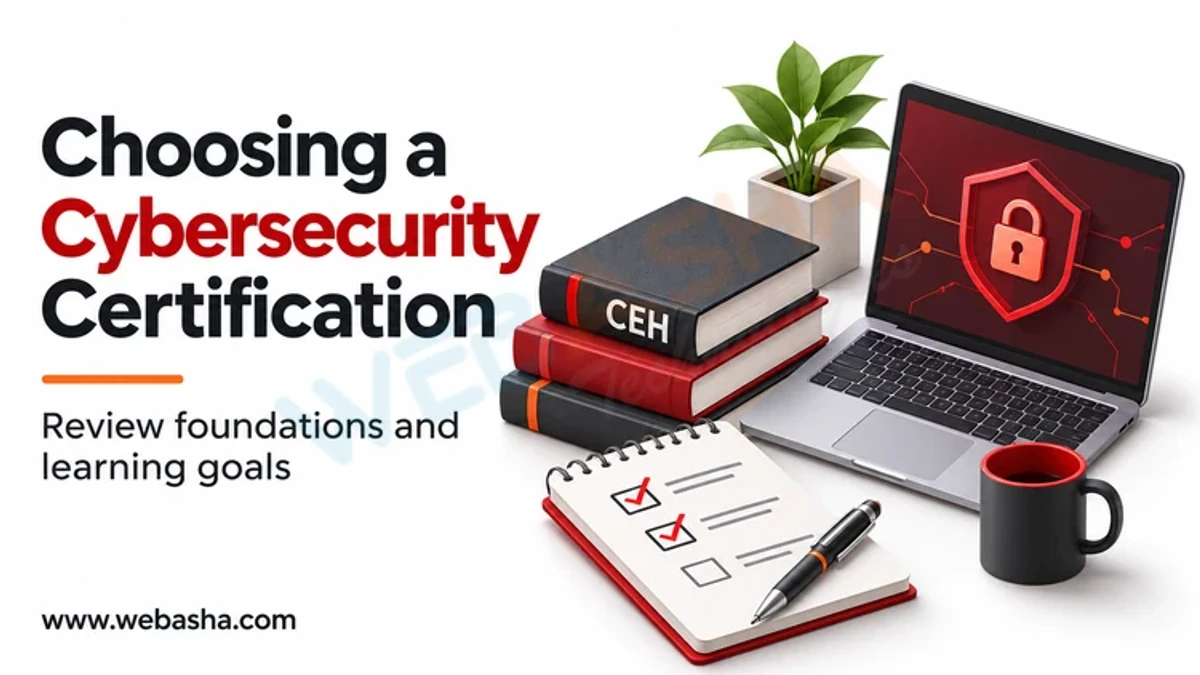
Ethical Hacking Certifications: Choose the Evidence You Need

Choose a certification by the capability you need to demonstrate and the requirements you can meet. Compare foundational knowledge, practical assessment and course preparation separately. Check the awarding body's current objectives, eligibility, exam rules and renewal terms before paying. A credential can support learning and an application, but its value depends on the role and the evidence behind it.

Essential Ethical Hacking Skills: Follow One Assessment

Build ethical hacking skills around the work of an authorised assessment: understanding the system, planning a safe question, interpreting evidence and explaining a recommendation. Networking, operating systems, web concepts and scripting help with different parts of that work. Reporting and judgment connect the technical pieces.

Cloud Security Without IT Experience: Where to Start

You can begin learning toward cloud security without previous IT work, but start with the systems that security decisions depend on. Learn files, permissions, networks and one cloud platform, then practise explaining access and activity records. Use small exercises to choose your next step and look for roles with suitable supervision.

Beginner SOC Job Titles: Check the Work Behind the Label

Use titles such as SOC trainee, junior SOC analyst, security monitoring analyst and cyber defence analyst to discover vacancies, then read the actual responsibilities. A beginner-suitable opening should match your current knowledge, eligibility and the review available for your work. Tier labels are not a universal standard.

Hands-On SOC Practice: Build and Review an Offline Case

Gain hands-on SOC practice by investigating a small, permitted evidence packet and writing a result that another person can review. Begin with invented records, a clear question and a reproducible check before deploying a full monitoring platform. Practise timestamps, source coverage, correlation and handover, then use feedback to improve the case.

SOC Analyst Without Prior IT Work: Build the Missing Foundations

You can begin learning SOC analysis without previous IT employment, but readiness for a particular job depends on its tasks, eligibility and supervision. Build the technical foundations behind an alert: accounts, devices, networks, processes and logs. Use small exercises to identify what you can explain and what still needs practice.

SOC Analyst Certifications: Choose by Skills and Current Scope

Choose a SOC-related certification by comparing its current scope with your foundations, target platform and the tasks you want to demonstrate. Foundational, product-specific and detection-focused credentials serve different purposes. Read the issuer’s audience, objectives, eligibility and maintenance conditions before purchasing. Pair the learning with a small investigation you can explain.

Cybersecurity Analyst Interviews: Explain an Alert Clearly

Prepare for a cybersecurity analyst interview by practising how you investigate an uncertain alert, explain the evidence and escalate within your authority. Review the employer’s duties, networking and operating-system basics, and the tools named in the vacancy. Bring a short, honestly labelled lab example that shows your reasoning and its limits.