Welcome!

Unlock your personalized experience.
Sign Up
Tag

CompTIA Security+ Articles, Guides & Tutorials

39 posts Page 1 / 3

CompTIA Security+ is a widely recognised entry-level security certification covering threats, architecture, operations and governance. These posts help you understand the exam objectives and plan your preparation.

See the CompTIA Security+ (SY0-701) exam page for exam details, and CompTIA CySA+ as a next step.

Why Certifications Matter in a Cyber Security Career, and Which Ones

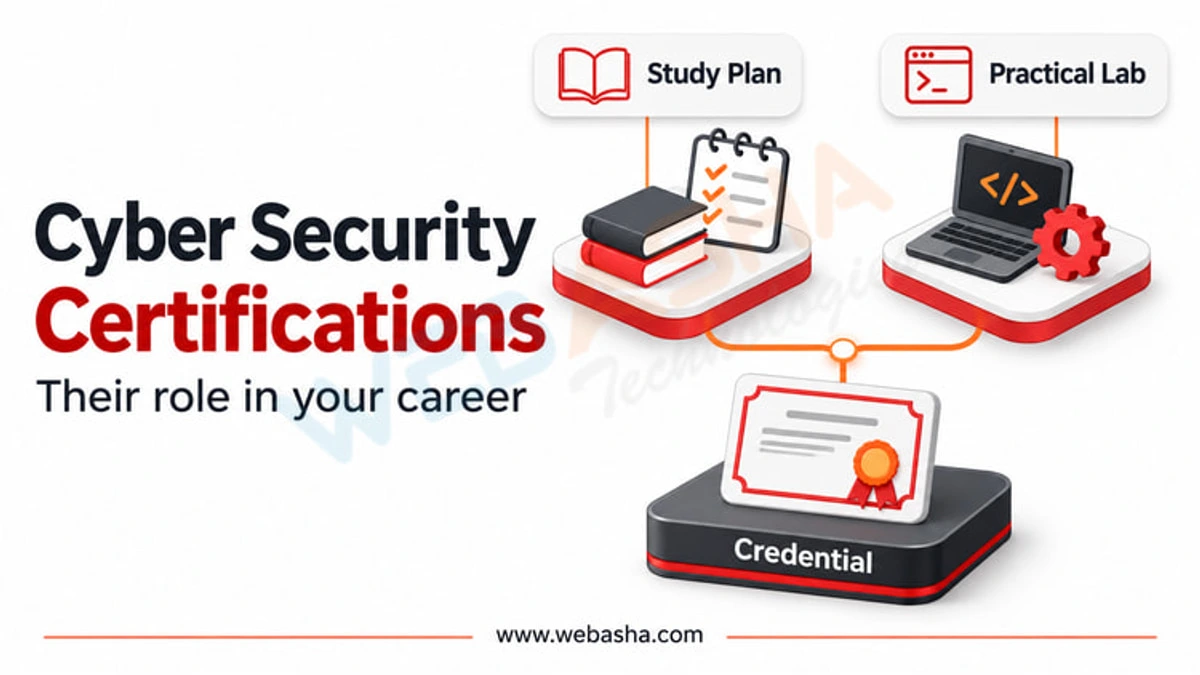
Certifications matter in cyber security because they give employers and clients a common, independent check that you know a defined body of material, and in many cases that you can perform hands-on tasks under exam conditions. They help most when you are starting out, changing roles, or bidding for work where clients or regulators ask for named credentials.

How to Start a Career in Cybersecurity From Scratch

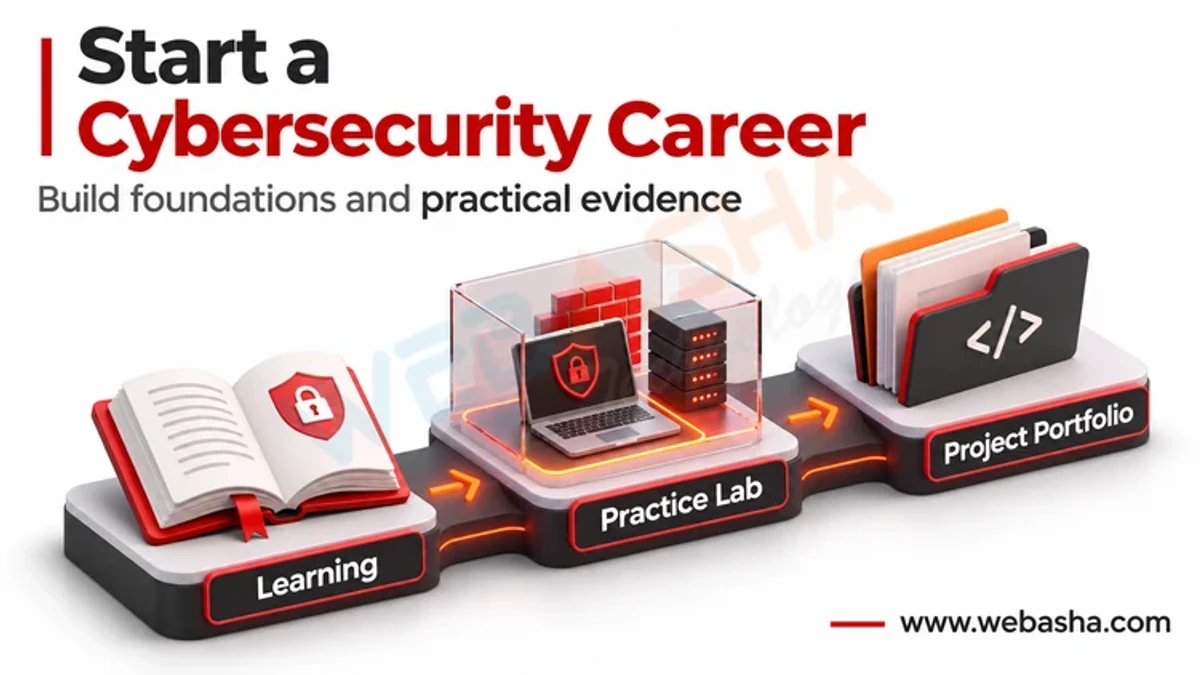
To start a cybersecurity career from scratch, first build IT foundations: how computers, operating systems and networks work, plus basic Linux and scripting. Then learn security fundamentals such as threats, authentication, encryption and common attacks.

How to Become a SOC Analyst: Skills, Tools, Certifications and Path

To become a SOC analyst, build IT foundations first (networking, Windows and Linux, basic scripting), then learn security monitoring: log analysis, SIEM searches, alert triage and incident response. Practise in a home lab with free tools such as Wazuh or Security Onion, map what you see to MITRE ATT&CK, and document your work in a portfolio.

How to Get Into Cybersecurity Without a Degree: A Complete Guide

You can enter cybersecurity without a degree by building provable skills instead of formal qualifications. Learn networking, Linux, Windows and security basics, earn an entry certification such as ISC2 Certified in Cybersecurity (CC) or CompTIA Security+, practise in a legal home lab, and publish a portfolio of write-ups and projects.

Ethical Hacking Certifications for Beginners: A Practical Guide

Beginners usually start with a foundation certificate, then add one hands-on ethical hacking certificate. Common foundations are ISC2 Certified in Cybersecurity (CC) and CompTIA Security+, whose new V8 exam SY0-801 has a launch date of 17 November 2026. Entry-level hacking options include INE eJPT, a practical exam expanded to 45 questions in March 2026, CompTIA PenTest+ (exam PT0-003) and EC-Council CEH v13.

Ethical Hacking Jobs for Non-Technical Graduates: First Roles That Fit

A non-technical graduate can enter ethical hacking, but usually not as a penetration tester on day one. Realistic first roles are GRC or audit trainee, security awareness coordinator, junior security operations centre analyst, vulnerability management analyst, report writer in a testing team, and IT support as a bridge. Each one teaches how systems and organisations work, which testing depends on.

Ethical Hacking Courses With Placement Assistance: How to Judge Them

Placement assistance in an ethical hacking course means help with the job search. It normally covers resume and profile review, mock interviews, interview scheduling and referrals to employers the institute knows. It is not a promise of a job. In India, the Central Consumer Protection Authority issued guidelines on 13 November 2024 that bar coaching providers from false claims such as a 100 per cent job guarantee.

Which Ethical Hacking Certification to Start With: A Decision Guide

There is no single right first certification; it depends on your situation. If you have no security background, start with a foundation such as CompTIA Security+. If you want a hands-on, practical first exam, INE's eJPT is built for junior testers. If you want a vendor-neutral exam that covers the whole testing process, including planning and reporting, look at CompTIA PenTest+ (PT0-003).

Ethical Hacking Certifications for Beginners: How to Choose One

Choose your first ethical hacking certification by working backwards from the job you want, not from a ranking. First check what you already know: without networking and operating system basics, a foundation certificate such as CompTIA Security+ or ISC2 CC comes before any hacking exam. Then read ten job adverts for your target role and note which certifications they name.

Ethical Hacking Certifications for Beginners: How to Choose

Choose an ethical hacking certification by your current foundations, the assessment method and the work you want to practise. A general entry-level cybersecurity credential can help a complete beginner organise learning, while a practical penetration testing assessment expects more applied preparation. Compare official objectives and eligibility before paying.

How to Choose an Ethical Hacking Course With a Non-IT Background

For a learner without an IT background, the best-fit ethical hacking course is one that teaches its prerequisites, provides clearly authorised practice and reviews your work. Ask for the syllabus, entry expectations, lab arrangements and assessment method before paying. A foundation course may be more appropriate than an exam-focused hacking course at the start.

Ethical Hacking for Beginners: What Should You Learn First?

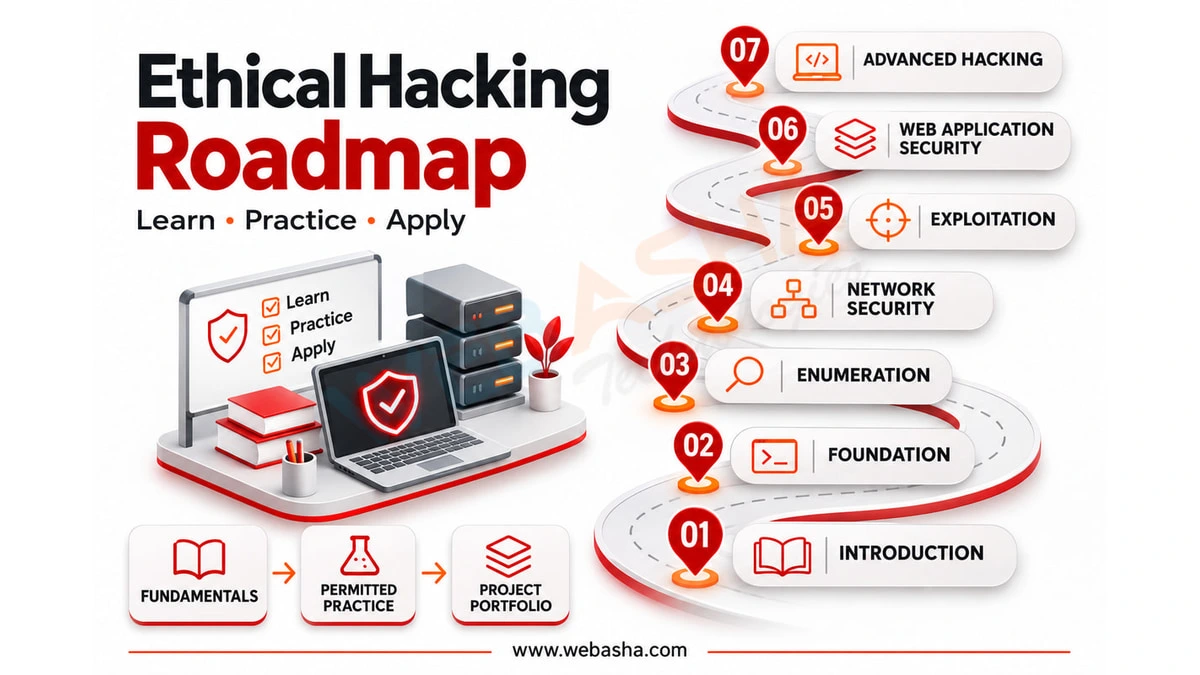
Start an ethical hacking course with networking, operating systems and the web, then practise assessment methods in explicitly authorised labs. Choose a course that connects each tool to a question, an observable result and a written finding. You do not need to buy an advanced examination package before discovering which foundations you lack.

Cybersecurity Certifications for Beginners: Choosing Your First

Choose a first cybersecurity certification by the knowledge or task you need next, not by a universal ranking. ISC2 CC and Cisco CCST Cybersecurity are foundation options to investigate; a practical assessment such as eJPT serves a different learning goal and assumes relevant technical basics. Compare published objectives, eligibility, assessment style and ongoing obligations before purchasing.

Do You Need a Computer Science Degree for Cybersecurity?

A computer science degree is one possible route into cybersecurity learning and employment, but there is no single education rule covering every role. Check the mandatory criteria of the specific employer or programme and compare them with your qualifications. A degree can provide structured foundations, while independent study, relevant work and assessed credentials can support other routes where accepted.

Which Cybersecurity Certification Should a Beginner Choose?

Choose a first cybersecurity certification by the learning gap or explicit requirement it needs to address. A broad foundation assessment, a product-focused credential and a practical testing assessment serve different purposes. Compare their official objectives, entry conditions and assessment methods before buying training or an examination.