Welcome!

Unlock your personalized experience.
Sign Up
Tag

Cybersecurity automation Articles, Guides & Tutorials

55 posts Page 1 / 4

Automation lets security teams handle more alerts with less manual work, from scripted triage to SOAR playbooks and automated patching. These posts cover what to automate, what to keep human and the tools involved.

For the analyst side of this work, see Certified SOC Analyst (CSA) and CompTIA CySA+.

Will AI Replace Cybersecurity Jobs? Tasks That Change and How to Adapt

AI is changing cybersecurity jobs more than replacing them. Repetitive tasks such as first-pass alert triage, log searches, report drafting and basic scripting are increasingly automated or assisted. Work that needs judgement, accountability, investigation of new attacks, communication with people and decisions under uncertainty stays with humans.

What Is Kali GPT? Uses, Risks and Legal Limits for Ethical Hackers

Kali GPT is not an official Kali Linux product. The name is used for unofficial custom GPTs in ChatGPT and for community scripts that connect a language model to a Kali Linux terminal. We found no official Kali GPT release from the Kali Linux project or OffSec. These assistants can explain tool output, suggest documentation, help students learn concepts and draft reports.

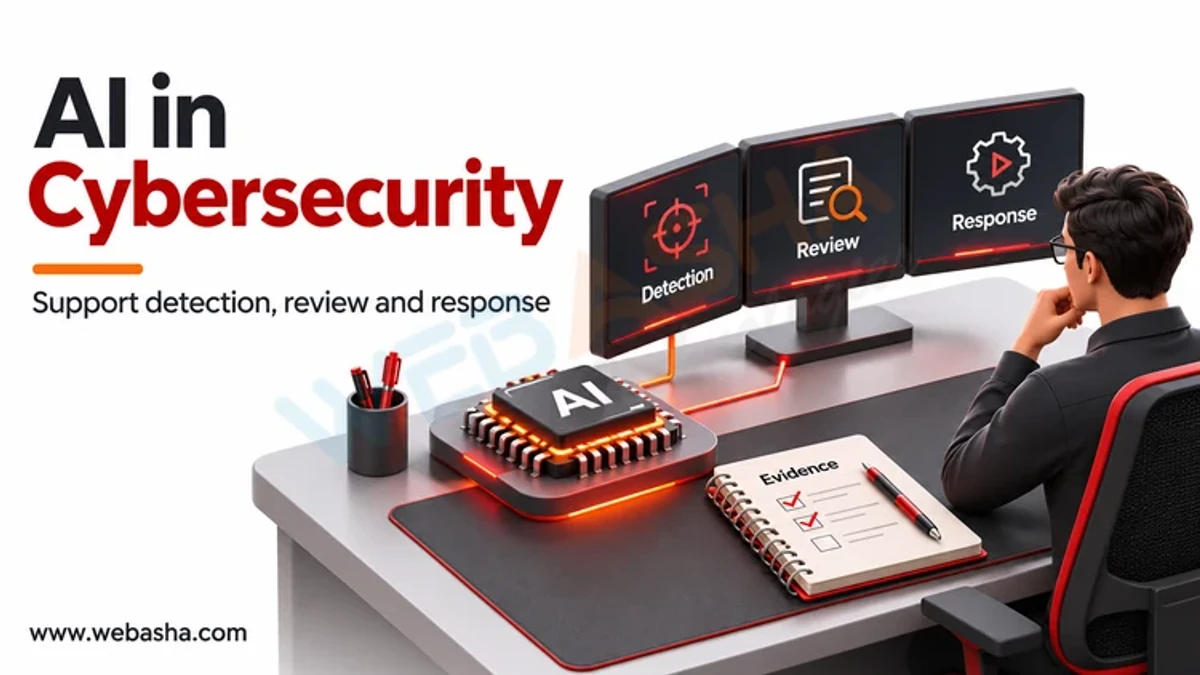
AI in Cybersecurity: How It Is Both a Weapon and a Shield

AI works on both sides of cybersecurity. Attackers use generative AI to write convincing phishing messages, translate scams, clone voices, research targets and speed up coding of tools. Defenders use AI to triage alerts, detect anomalies, summarise threat intelligence, analyse malware and find vulnerabilities in code.

ReliaQuest Reaches $3.4 Billion Valuation After $500M+ Round

On 31 March 2025 ReliaQuest, a Tampa, Florida security operations company, announced a funding round of more than USD 500 million at a USD 3.4 billion valuation. EQT Growth led the round, with existing investors KKR and FTV Capital, and Ten Eleven Ventures and Finback Investment Partners also took part.

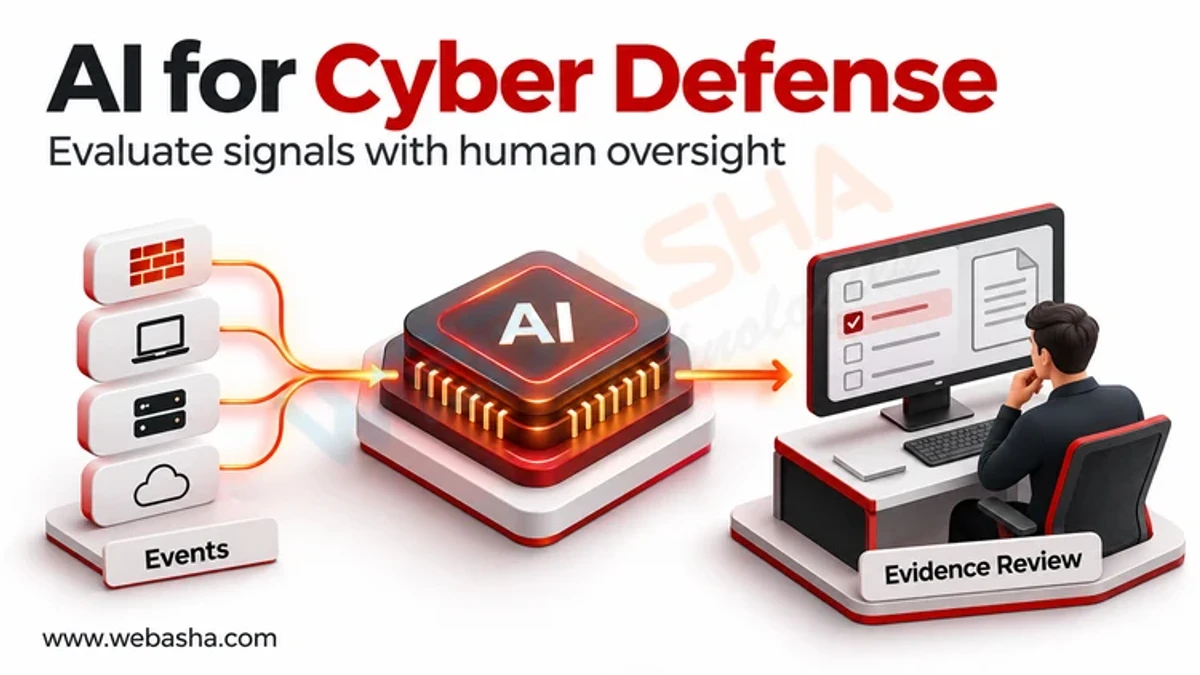
AI for Threat Detection and Response: How It Works in a SOC

In a security operations centre (SOC), AI helps at each step of handling an alert. Machine learning models flag unusual logins, traffic and process behaviour that fixed rules miss. Scoring and correlation group related alerts into one incident so analysts see fewer, richer cases. Generative AI summarises evidence and drafts investigation notes.

Can AI Replace Human Cyber Experts? What the Evidence Shows

No, not on current evidence. AI systems now do some expert tasks well: in DARPA’s AI Cyber Challenge final in August 2025, autonomous systems found and patched real vulnerabilities in open source code, and Google’s Big Sleep agent found an exploitable SQLite bug in 2024. But these results came from narrow, well-defined tasks, and the teams themselves describe limits.

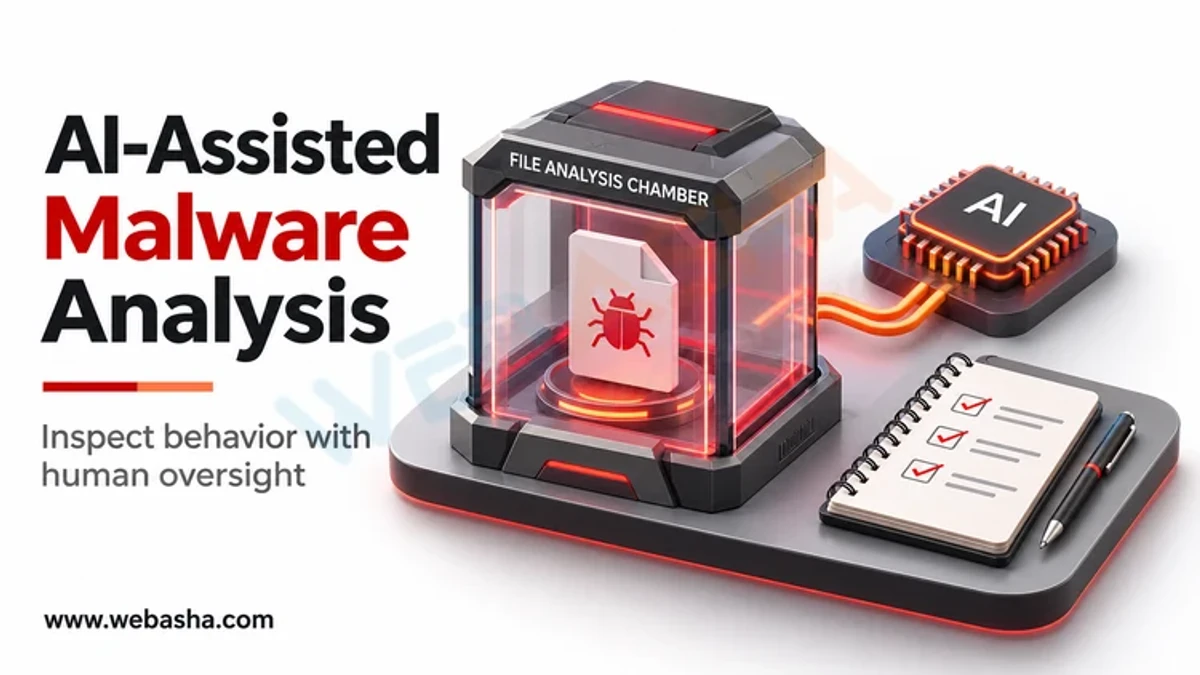
AI in Malware Analysis: Static and Dynamic Features, Limits, Attacks

AI malware analysis uses machine learning to classify files and behaviour as malicious or benign without relying only on known signatures. Static models read features from a file without running it, such as headers, imported functions, strings and byte patterns. Dynamic models watch the file in a sandbox and learn from its process, file, registry and network activity.

Harmony Intelligence: What the AI Security Startup Does

Harmony Intelligence is a US-Australian cybersecurity startup building AI-based defensive tools, most notably an automated penetration testing system meant to find vulnerabilities before attackers do. In March 2025 it announced USD 3 million in seed funding led by Airtree, according to SecurityBrief and the company’s Business Wire release.

How AI Is Used in Ethical Hacking Work Today, and Where It Falls Short

In authorised ethical hacking work, AI is mainly an assistant. Testers use large language models to summarise scope documents, sort scan output, explain unfamiliar technologies, draft test plans and write first versions of reports. A growing share of work is the reverse: testing AI systems themselves for problems such as prompt injection, which the OWASP Top 10 for LLM Applications lists first.

How to Get Started With AI in Cybersecurity: A Beginner Learning Path

Start with security fundamentals, not AI. Learn networking, operating systems and logging, then basic Python and data handling. Next, learn machine learning basics: what training data, models, classification and false positives mean. After that, study two sides of AI in security. AI for defence covers how tools detect anomalies and sort alerts.

New Cybersecurity Roles Created by AI and the Skills They Need

AI has created several new or reshaped security roles. The most visible are the AI security engineer, who builds protections into AI applications; the AI red teamer, who tests models and AI apps under authorisation; the AI governance and risk specialist, who manages policies and frameworks such as the NIST AI RMF; and the machine learning security operations role, which protects data pipelines and model deployment.

How AI Is Changing Cyber Risk Management: Uses, Limits and Governance

AI is changing cyber risk management in two ways. First, it helps teams handle more data: machine learning can prioritise vulnerabilities, spot unusual behaviour, summarise threat intelligence and keep asset and risk registers up to date. Second, AI systems are themselves a new source of risk, from data leakage and prompt injection to biased or wrong outputs.

AI-Driven Cybersecurity: What Has Evidence and What Is Marketing

Some uses of AI in cybersecurity are well established: machine learning for spam and phishing filtering, malware classification, fraud scoring and anomaly detection have been in products for years. Generative AI assistants that summarise alerts and draft queries are newer and genuinely save analyst time, but their output must be checked.