Welcome!

Unlock your personalized experience.
Sign Up
Tag

Kali Linux Articles, Guides & Tutorials

25 posts Page 1 / 2

Best Open-Source Ethical Hacking Tools for Penetration Testing

The most widely used open-source ethical hacking tools are Nmap for discovery, Wireshark for traffic analysis, ZAP for web application testing, sqlmap for SQL injection testing, the Metasploit Framework for exploitation, John the Ripper and Hashcat for password auditing, and Aircrack-ng for Wi-Fi assessment. Learn them by testing phase in your own lab.

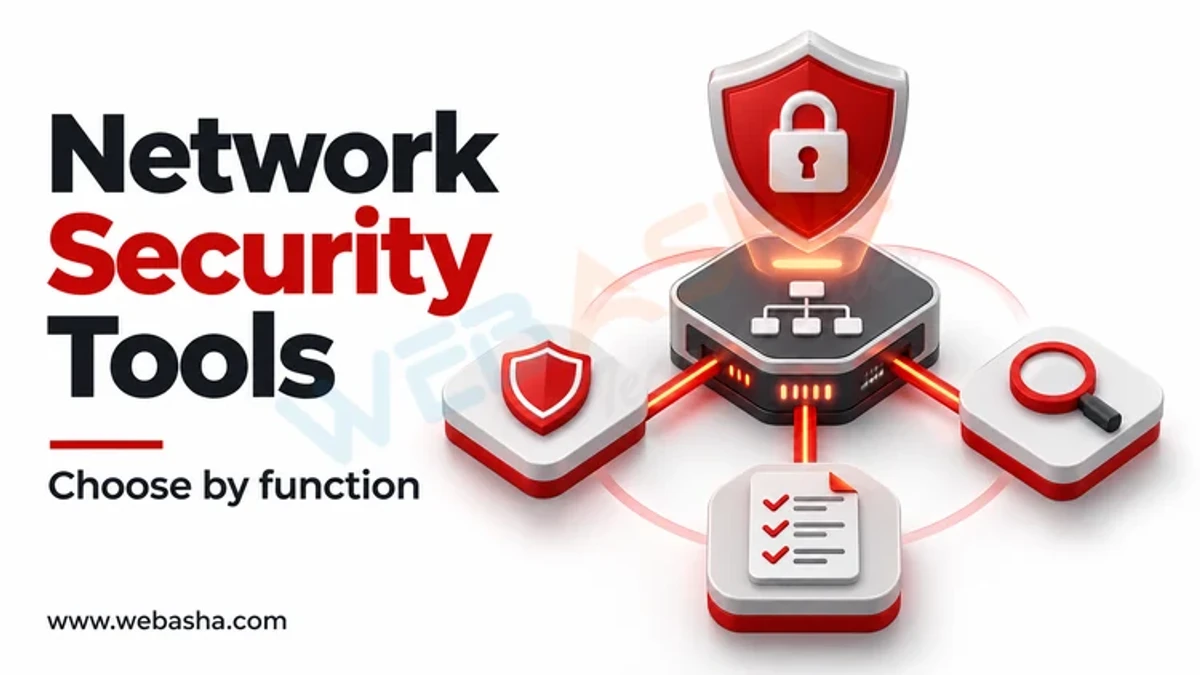
Top Network Security Tools Professionals Use, Grouped by Job

Network security professionals pick tools by job. Firewalls such as pfSense and OPNsense control traffic; Suricata and Snort detect intrusions with signatures; Zeek records what happens on the network for investigation; Wireshark and tcpdump capture packets; Nmap discovers hosts and services; Greenbone or Nessus find vulnerabilities; and a SIEM such as Wazuh or Splunk correlates alerts.

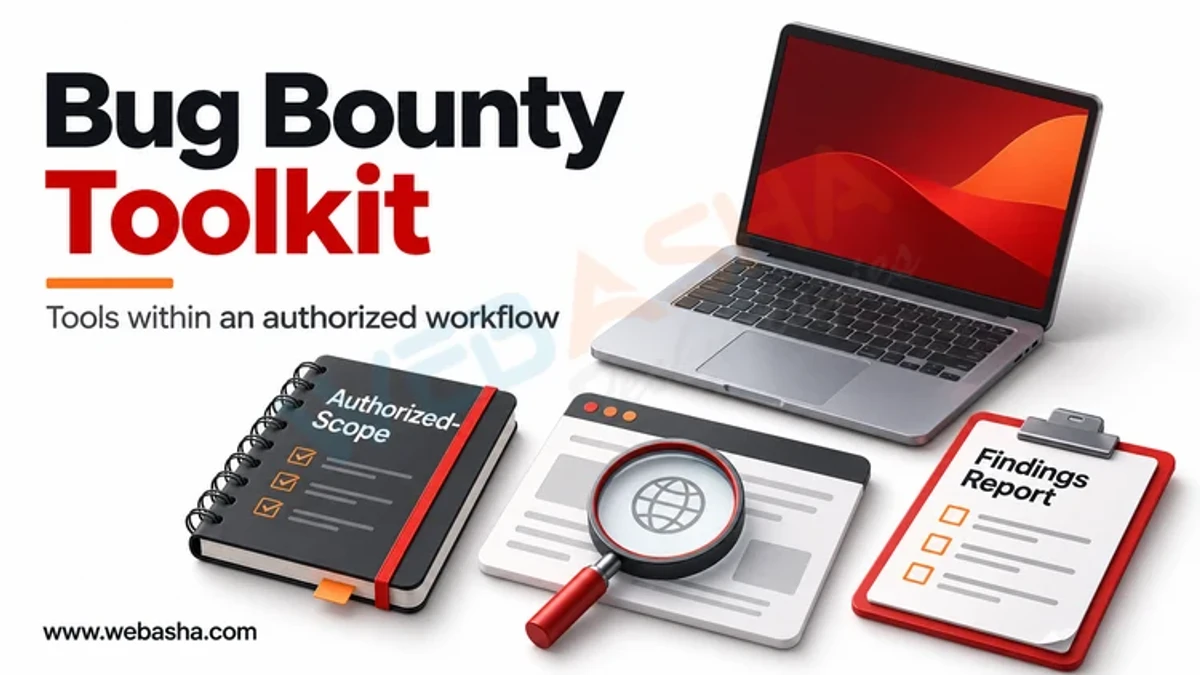
Best Tools Used in Bug Bounty Hunting and How to Use Them Responsibly

Most bug bounty hunters rely on a small core toolkit: an intercepting proxy such as Burp Suite or OWASP ZAP for manual testing, recon tools such as subfinder and Amass to find subdomains, httpx and Nmap to see what is running, ffuf for content discovery, nuclei for template-based checks, and a notes system for organising findings and writing reports.

Inside Kali Linux: Top Ethical Hacking Tools for Beginners

Kali Linux is a free Debian-based distribution maintained by OffSec for authorised security testing, digital forensics and research. It bundles hundreds of tools grouped into categories such as information gathering, web application testing, wireless assessment, password auditing, forensics and reporting.

Msfvenom and Metasploit Payloads: How Defenders Detect and Block Them

In the Metasploit Framework, a payload is the code that runs on a target after a successful exploit or after a user runs a malicious file, usually to give the operator a remote session. Msfvenom is the framework utility that packages payloads into files or scripts. Defenders do not need to build payloads to stop them.

How to Become an Ethical Hacker Legally in India

To become an ethical hacker legally in India, test only systems you own or have written permission to test. Under the IT Act 2000, accessing a computer without the owner's permission can lead to compensation claims under Section 43 and criminal charges under Section 66 when done dishonestly or fraudulently. Practise in your own lab and on intentionally vulnerable training platforms.

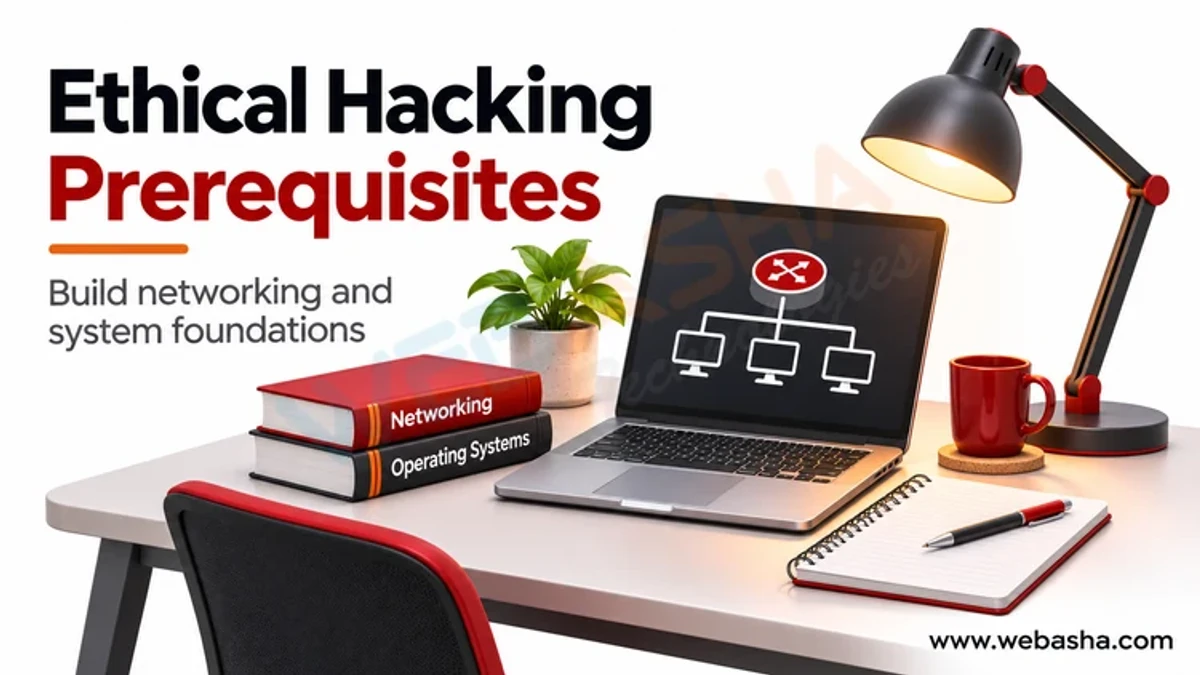
What Are the Prerequisites for Learning Ethical Hacking?

You need four foundations before ethical hacking training makes sense: basic networking (IP addresses, ports, DNS, HTTP), comfort with the Linux command line, a working knowledge of Windows accounts and services, and enough scripting to read and change a short Bash or Python script.

Ethical Hacking Without Coding: Roles That Fit and Where They Stop

Yes, some work around ethical hacking needs little or no coding. Governance, risk and compliance (GRC) staff scope tests and track fixes. Social engineering testers run authorised phishing and awareness exercises. Report writers and quality reviewers turn raw findings into documents a client can act on. Vulnerability management analysts run scanners and prioritise results. These roles have limits.

Ethical Hacking for Beginners: What Should You Learn First?

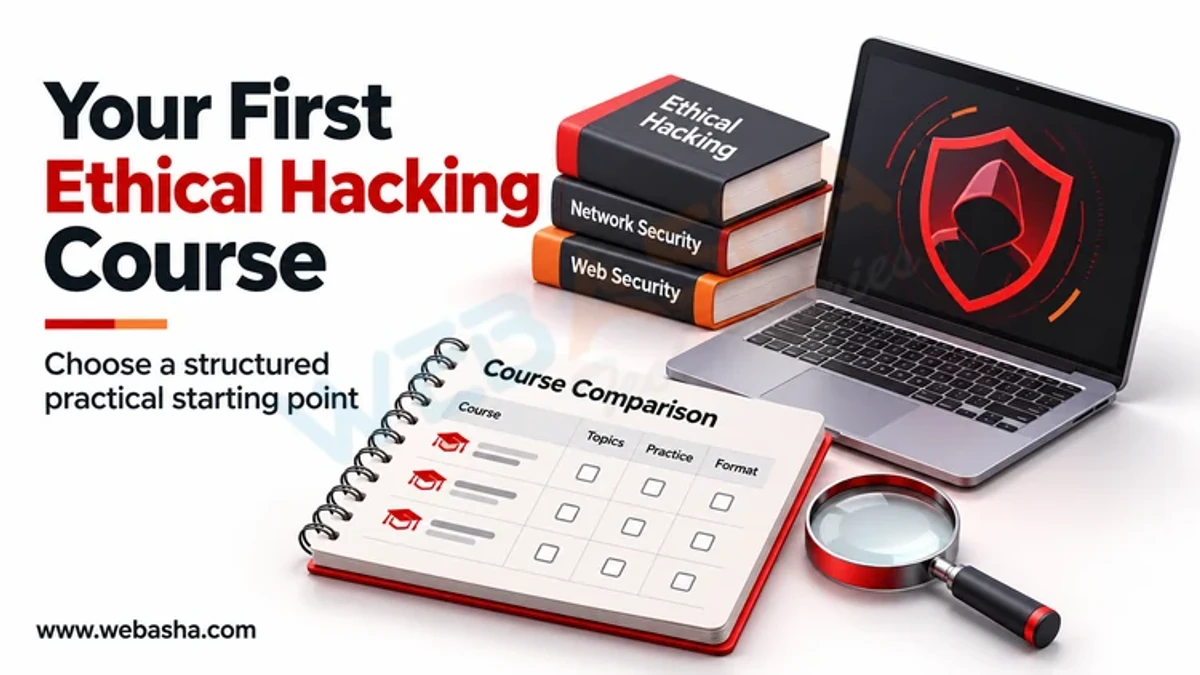
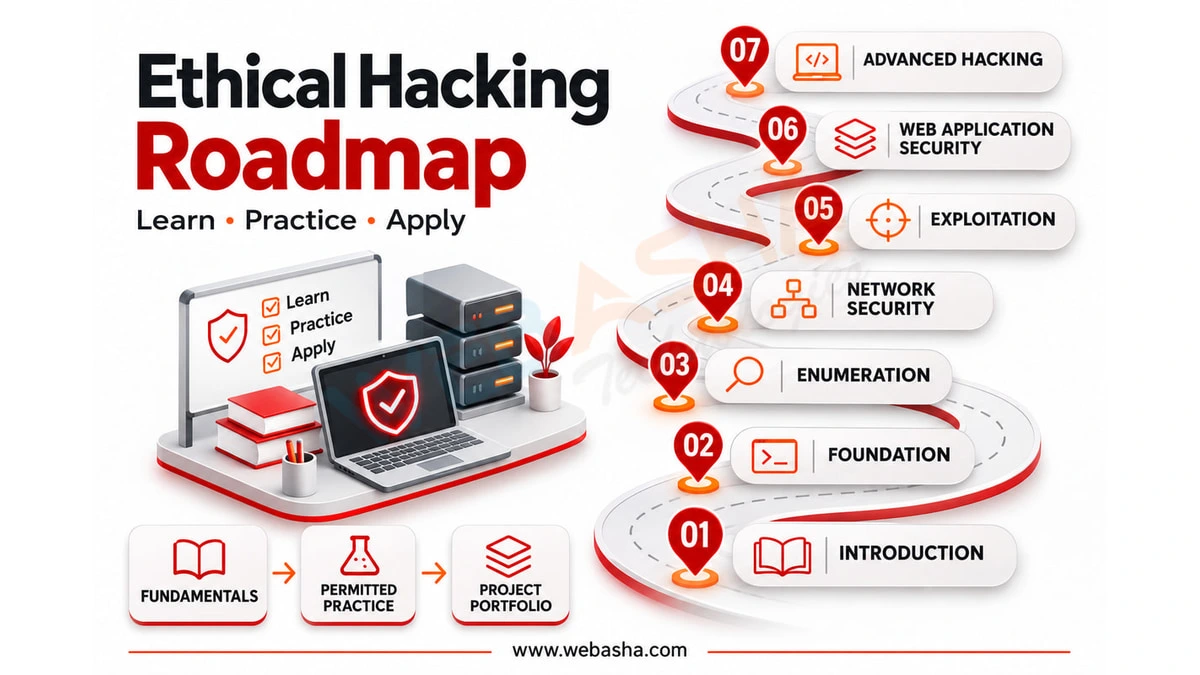
Start an ethical hacking course with networking, operating systems and the web, then practise assessment methods in explicitly authorised labs. Choose a course that connects each tool to a question, an observable result and a written finding. You do not need to buy an advanced examination package before discovering which foundations you lack.

Penetration Testing Tools: What Their Results Can Tell You

Choose penetration testing tools according to the authorised question you need to answer. Nmap supports network and service observations; Burp Suite and ZAP support web assessment workflows; Wireshark helps inspect captured traffic. Their outputs require interpretation and do not prove that every reported condition is exploitable or that an unreported weakness is absent.

Ethical Hacking Interviews: Explain Your Assessment Decisions

Prepare to explain how you would plan, check and report an authorised assessment. A useful interview answer connects a technical observation with the evidence needed to support it, the limits of that evidence and the next safe step. Practise on one fictional finding instead of memorising a long list of tools. Read the actual vacancy, prepare a concise lab example and ask how junior work is reviewed.

Ethical Hacking Tools: Build a Small, Understandable Workflow

Learn tools by the question each helps answer. Start with networking and HTTP concepts, then choose a small set for an authorised learning environment: reading traffic, understanding a web conversation, organising observations and writing a report. Tool output needs interpretation and scope checks. A detected service is not automatically vulnerable, and a scanner finding is not automatically confirmed.

Show Ethical Hacking Skills With a Reviewable Portfolio

Give a potential employer a small, reviewable sample of your work. Explain the authorised lab, the question you investigated, your evidence and the limits of the conclusion. Include a short report, safe supporting files and a clear description of your own contribution. A finished example with a correction and retest discussion can be more informative than many unexplained badges.

Gain Ethical Hacking Experience Through Approved Practice

Build practical experience by completing a small authorised exercise from brief to report and review. Use an explicit training environment, synthetic data and the provider's rules. Record what you were allowed to examine, what you observed and what you could not establish. Practise explaining a recommended fix and a safe retest plan.