Welcome!

Unlock your personalized experience.
Sign Up
Tag

Linux file permissions Articles, Guides & Tutorials

6 posts

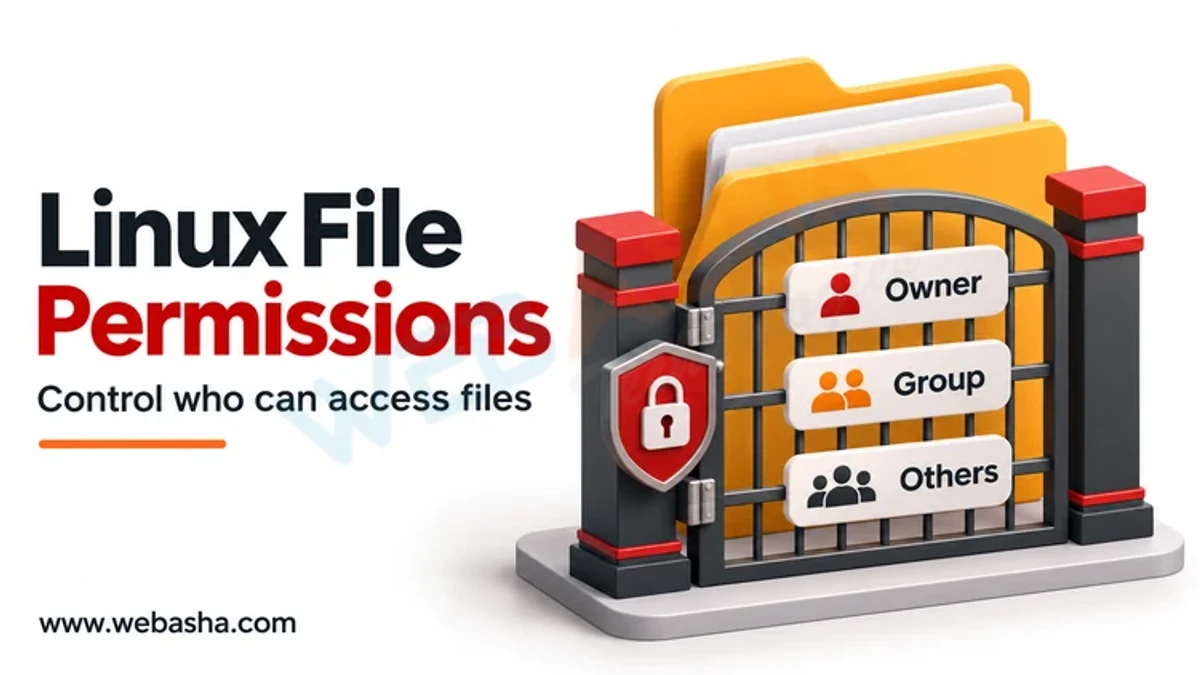
Linux File Permissions in Cybersecurity: A Detailed Guide

Linux file permissions decide who can read, write or execute each file and directory. Every file has an owner, a group, and three sets of permissions for the user, the group and everyone else. Correct permissions stop users and compromised services from reading secrets such as SSH keys or password hashes, changing system files, or running programs they should not.
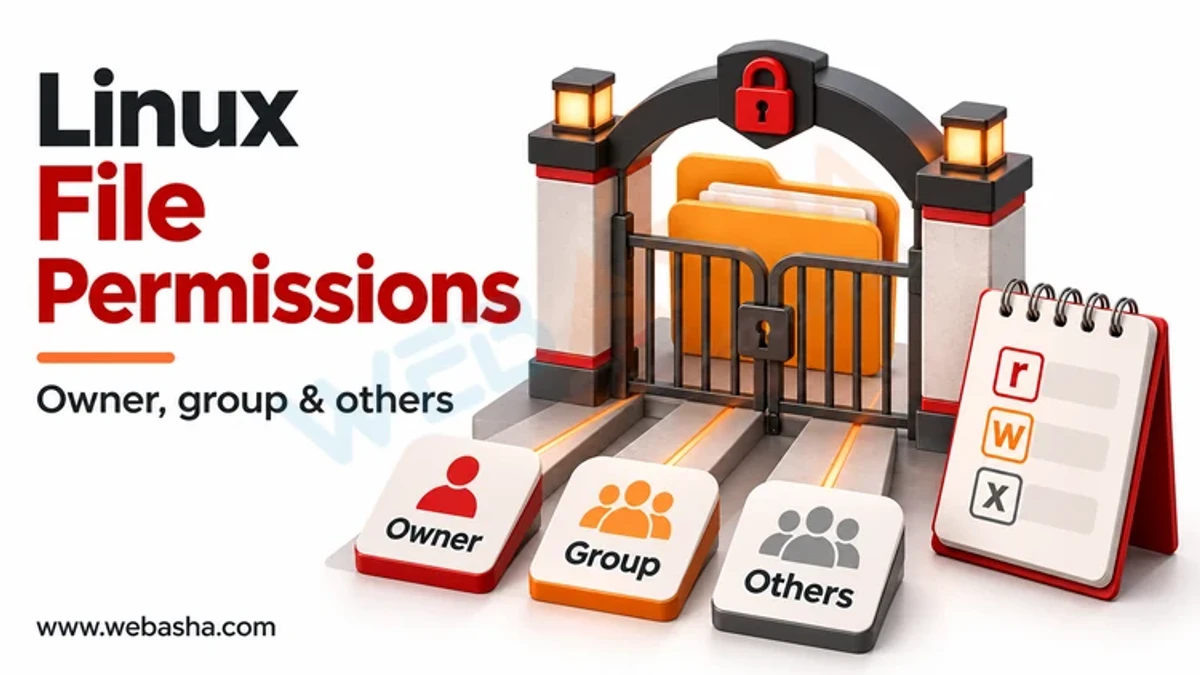

Linux File Permissions Explained: rwx, chmod, chown, umask and SUID

Every Linux file and directory has an owner, a group and three sets of permissions: read (r), write (w) and execute (x) for the owner, the group and everyone else. You change them with chmod, using numbers where r=4, w=2 and x=1 (so 644 is rw-r--r--), or symbols such as u+x. chown changes the owner and group, and umask sets the defaults for new files.

Managing Linux Users and Sudo Access Securely: Least Privilege Guide

Secure Linux access control comes down to four habits. Give every person their own account, created with useradd and placed in groups with usermod -aG. Grant administrative rights through narrow sudo rules edited only with visudo, rather than sharing the root password. Apply least privilege, so each user and service gets only the commands and files it needs.

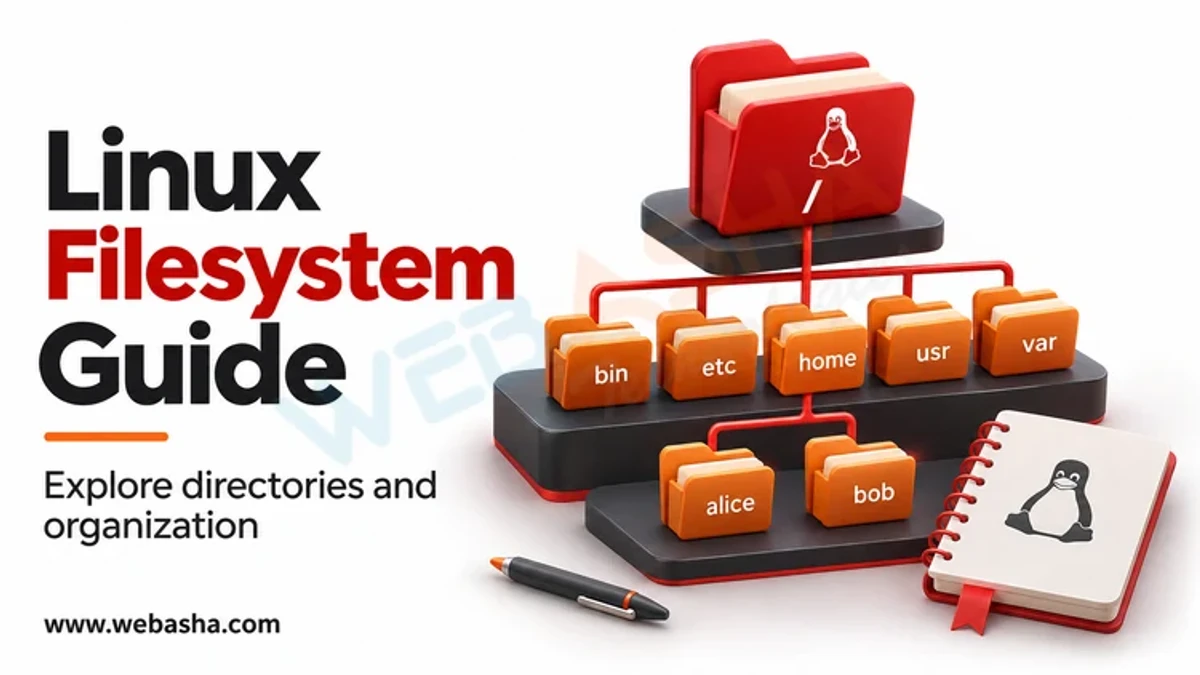
Linux File System Hierarchy Explained: FHS 3.0 and the /usr Merge

Linux arranges everything in one tree that starts at the root directory, /. The Filesystem Hierarchy Standard (FHS) 3.0, published by the Linux Foundation, defines what goes where: /etc holds system configuration, /home holds user files, /var holds changing data such as logs, /usr holds installed programs and libraries, /tmp holds temporary files, and /proc and /sys expose kernel information.

Linux Commands in Practice: Compare Expected and Observed Records

Learn Linux commands by answering a small data question and checking the result. This guide compares expected report identifiers with an observed list, using consistent sorting and a set comparison to find missing and unexpected values. The checked exercise uses invented text in a new temporary directory.