How Cybersecurity Teams Use AI to Predict Breaches
Security teams do not use AI to predict the exact date of a breach. They use it to estimate which weaknesses and behaviours are most likely to lead to one, so they can act first.

8 posts
Security teams do not use AI to predict the exact date of a breach. They use it to estimate which weaknesses and behaviours are most likely to lead to one, so they can act first.
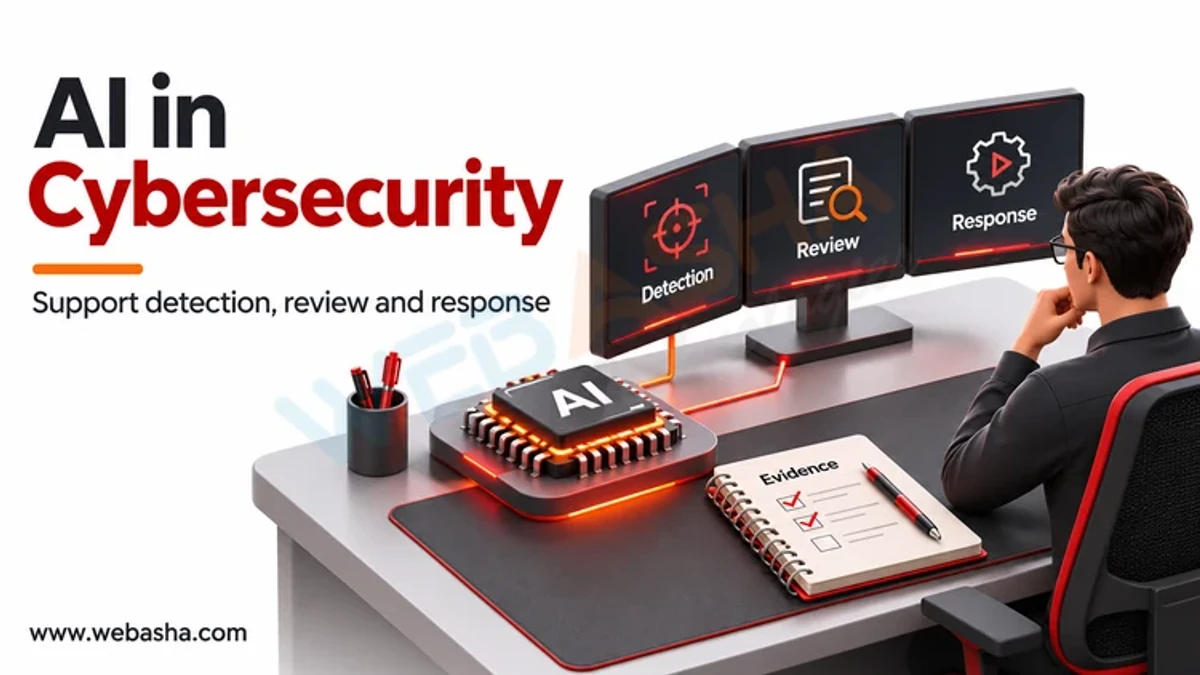
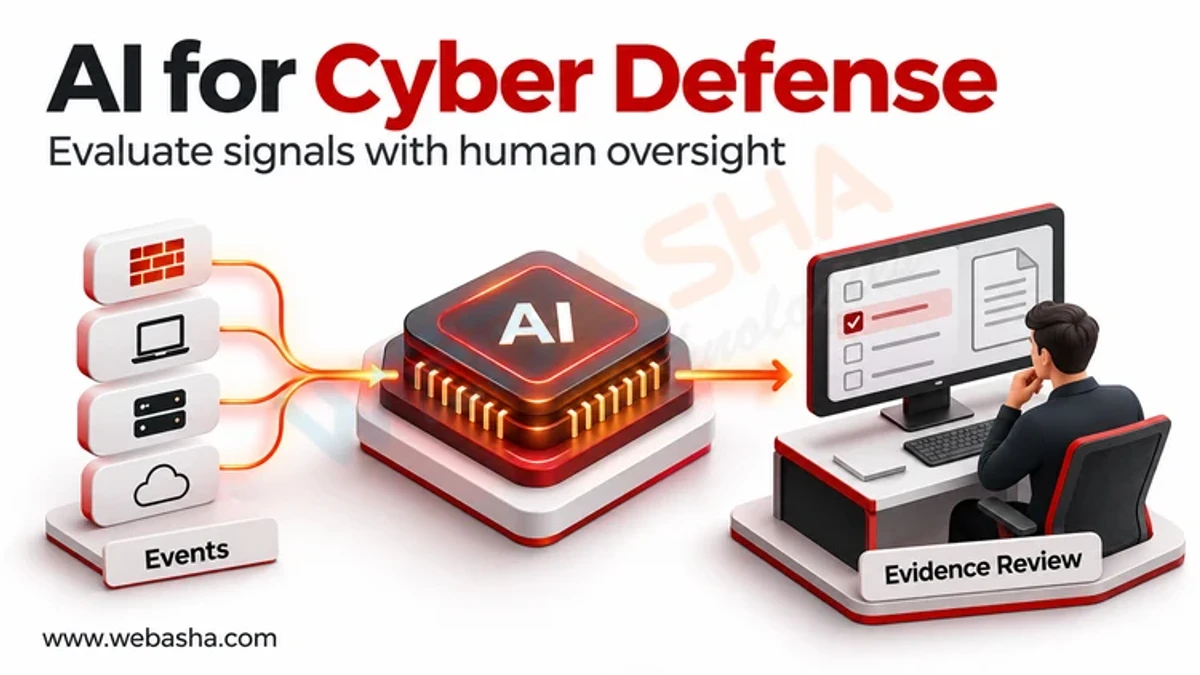
In a security operations centre (SOC), AI helps at each step of handling an alert. Machine learning models flag unusual logins, traffic and process behaviour that fixed rules miss. Scoring and correlation group related alerts into one incident so analysts see fewer, richer cases. Generative AI summarises evidence and drafts investigation notes.
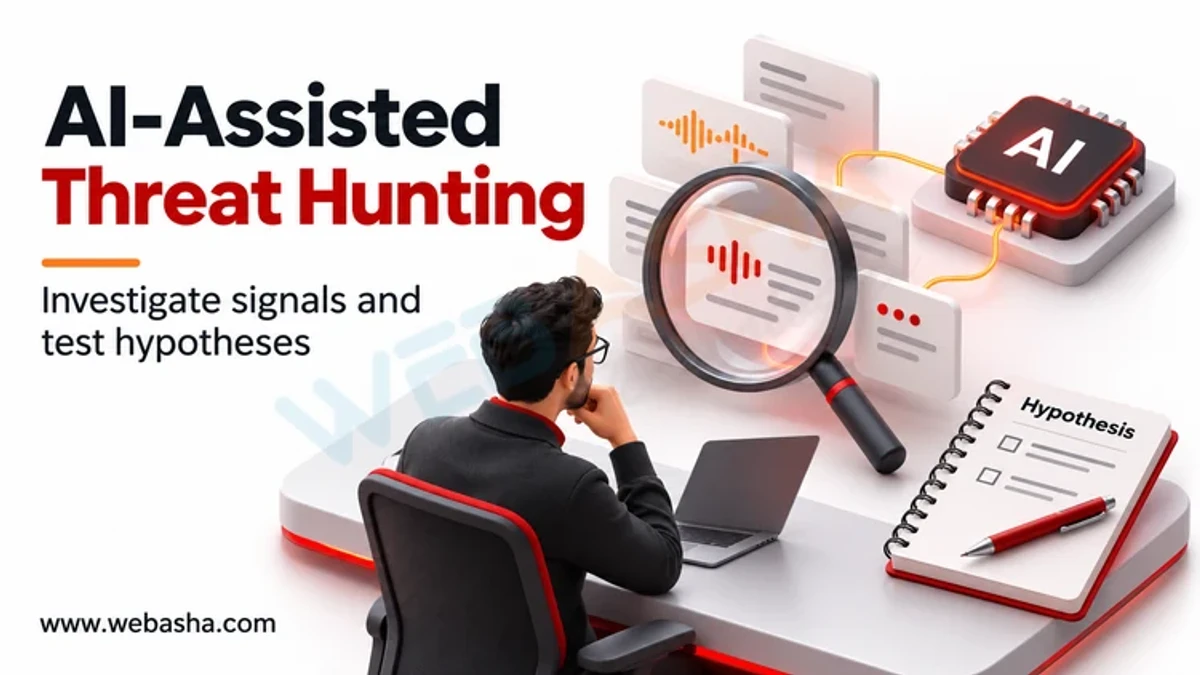
Threat hunting is a proactive search for attacker activity that existing alerts missed. A sound workflow starts with a hypothesis, often tied to a MITRE ATT&CK technique, then collects the right data, queries it, investigates anomalies, and turns confirmed findings into new detections.
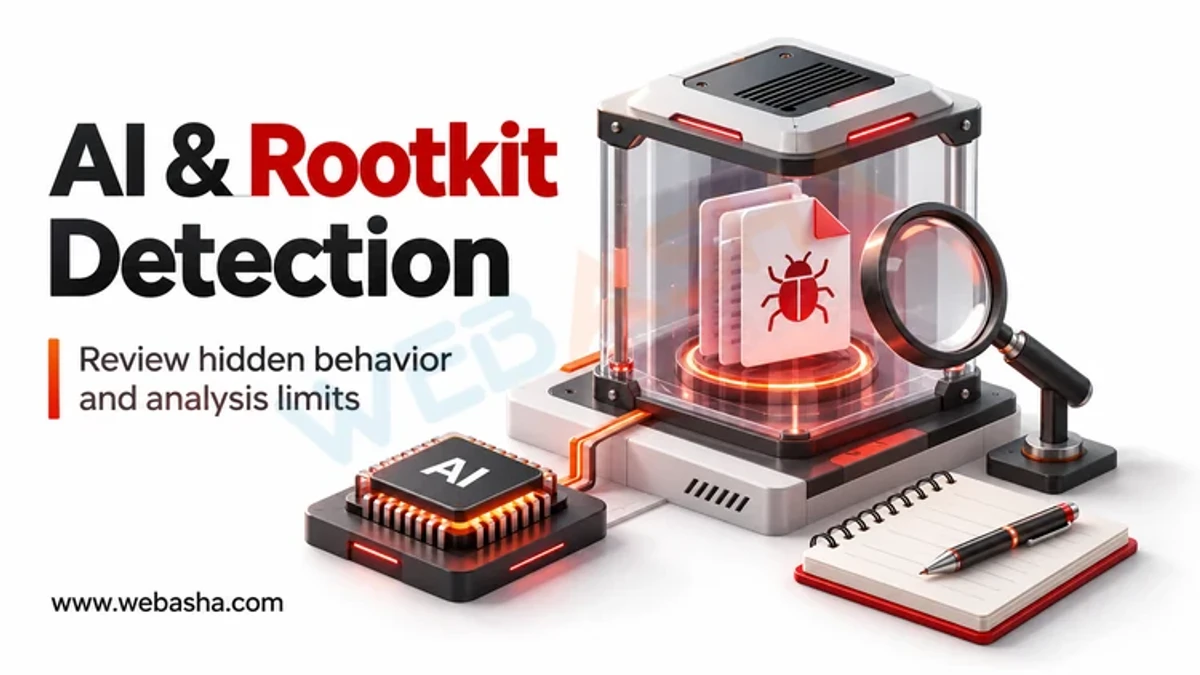
Rootkits hide malware by tampering with the operating system, its kernel or the boot process, so the infected system itself may lie to security tools.
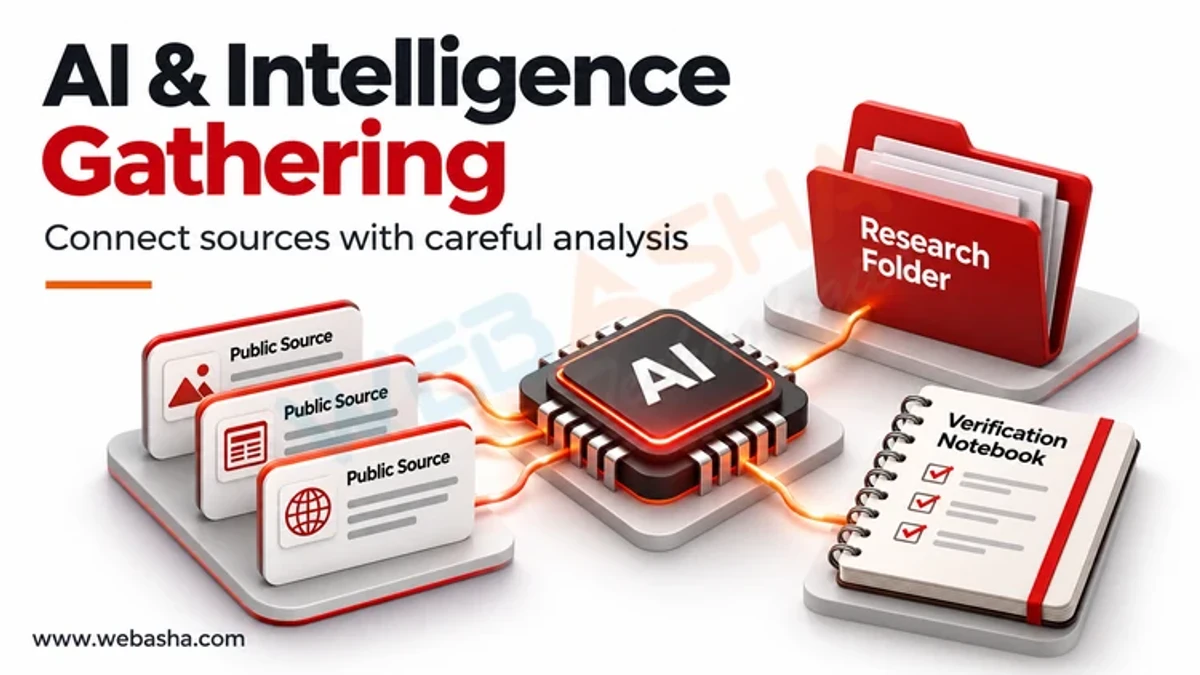
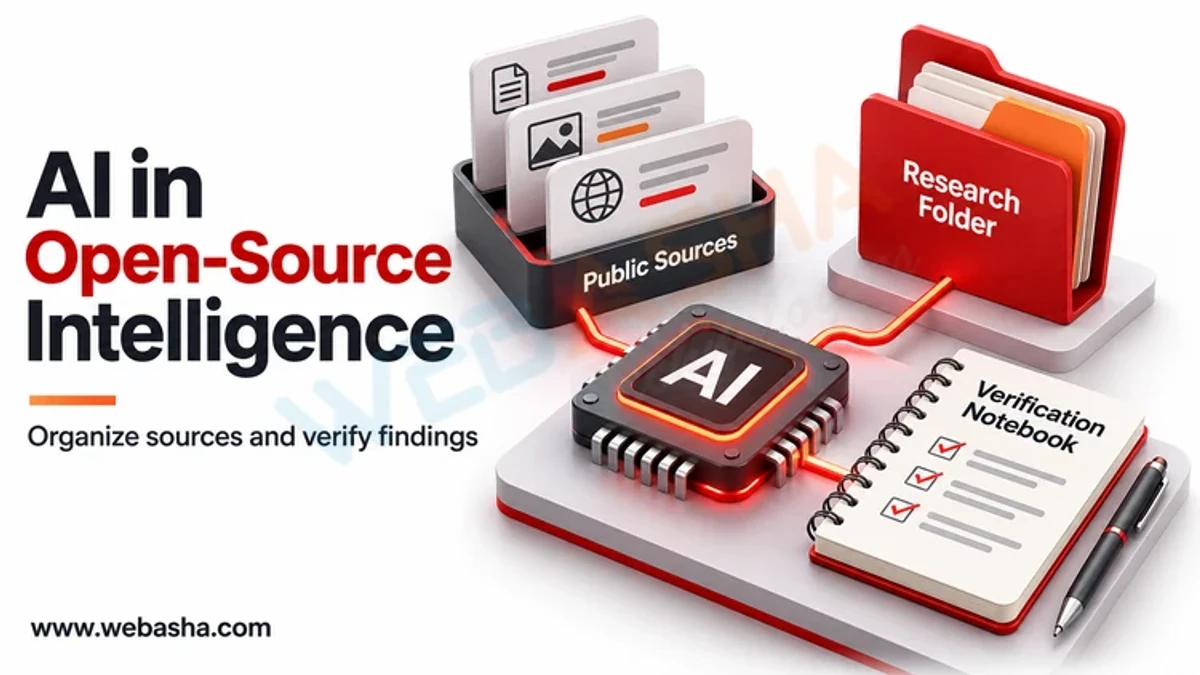
AI is changing intelligence gathering mostly at the collection and processing end: translating, transcribing, sorting and summarising far more material than people can read. The analysis itself still has to meet tradecraft standards.
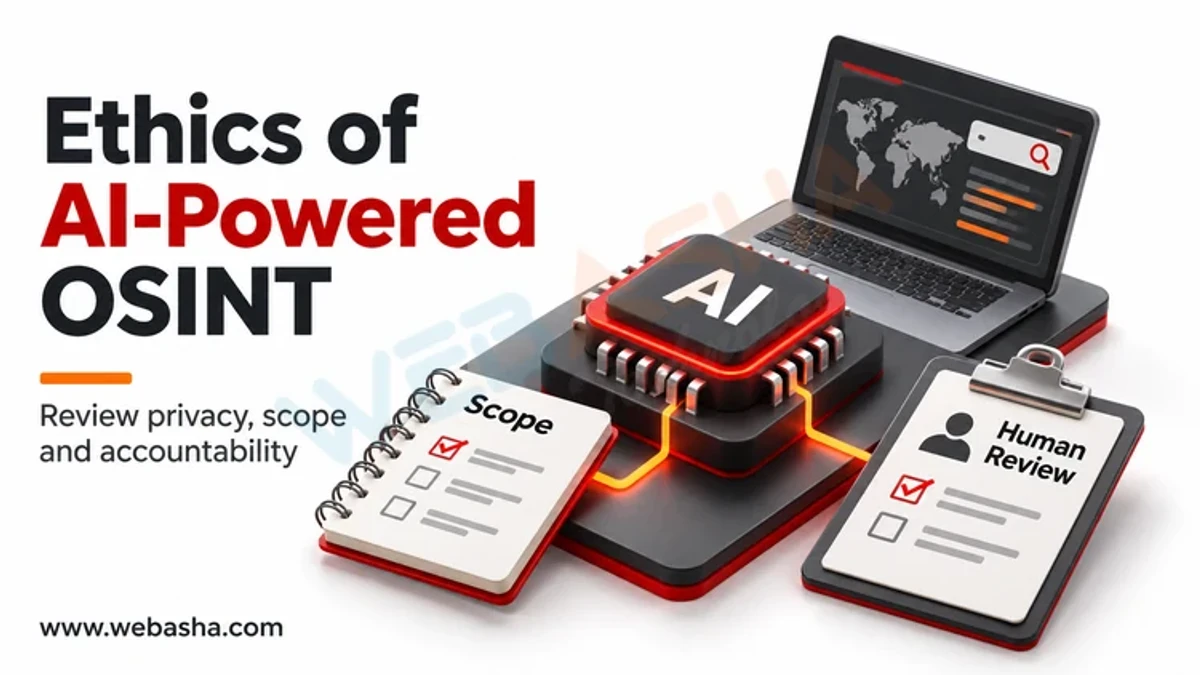
AI-powered OSINT uses machine learning and language models to collect and analyse publicly available information at a scale no human team could match. That scale is the ethical problem. Public does not mean free to use for any purpose.
Open-source intelligence began long before the internet. During the Second World War, governments monitored foreign radio broadcasts and newspapers; the US set up a broadcast monitoring service in 1941 that became the Foreign Broadcast Information Service. During the Cold War, analysts read published journals and press.
Generative AI can assist with security explanations, report drafts and other language-heavy tasks when the input, expected result and review responsibility are clear. Start with a bounded use case and compare it with the existing workflow. Test important errors, unavailable information and data-handling requirements before granting access to operational systems.