Welcome!

Unlock your personalized experience.
Sign Up
Category

Certifications & Career Guidance

Get expert advice on top IT certifications like RHCSA, OSCP, and CEH. Learn about career roadmaps, interview preparation, and more.

33 posts Page 2 / 3

How to Prepare for OSCP Before You Enrol: Skills to Build First

Before you enrol in PEN-200, the course behind the OSCP certification, make sure you can work comfortably on the Linux and Windows command line, explain TCP/IP networking, read and edit simple Bash or Python scripts, and understand how web applications and Active Directory work at a basic level. OffSec sets no formal prerequisites but recommends exactly this foundation.
Online vs Classroom OSCP Training: Which Format Suits You?

Online and classroom OSCP training cover the same OffSec material and lead to the same exam, so the choice is about how you learn best. Online training suits self-motivated learners who need flexible hours. Classroom training suits people who learn faster with a trainer in the room, fixed timings and peers to discuss problems with.

OSCP Bootcamp: What the Format Involves and How to Judge One

An OSCP bootcamp is a short, intensive, trainer-led programme that walks you through the PEN-200 syllabus on a fixed schedule, with daily lab work, mentoring and usually one or more mock exams. It suits people who already have Linux, networking and scripting basics and can give the programme their full attention.

Learning PEN-200 Online From India: A Time Planning Guide for OSCP

Learning PEN-200 online from India works well if you plan time realistically. OffSec lists 321 hours of course content, so at 10 hours a week the material alone takes around 32 weeks, and at 20 hours a week around 16 weeks, before extra practice. Fix weekly study blocks around your job or college, set up a reliable laptop, internet and power backup, and practise on authorised labs.

OffSec Course Map: PEN-200, PEN-300, WEB-300, EXP-301 and More

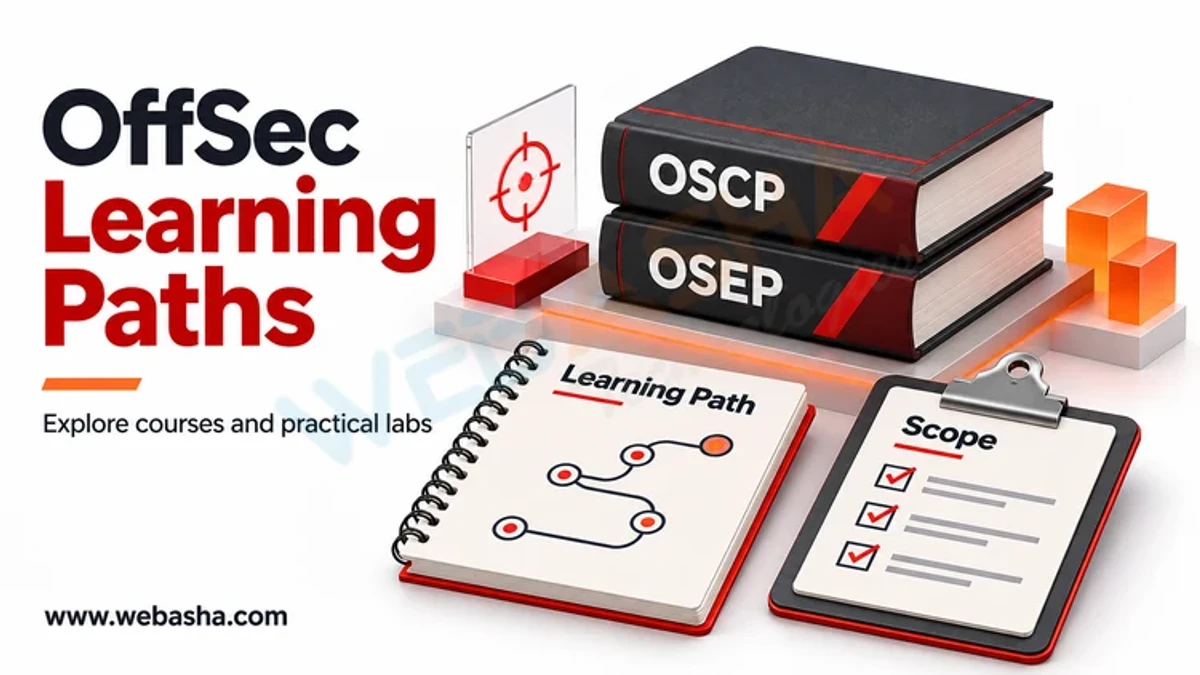
OffSec groups its courses by code: 100-level courses build foundations, 200-level courses lead to entry and intermediate certifications such as OSCP (PEN-200), and 300 and 400-level courses go deeper. For penetration testers the usual route is PEN-200 (OSCP) then PEN-300 (OSEP). Web specialists move from WEB-200 (OSWA) to WEB-300 (OSWE). Exploit developers take EXP-301 (OSED), then EXP-401 (OSEE).

OSCP Training in Pune: PEN-200, the Exam and Who It Suits

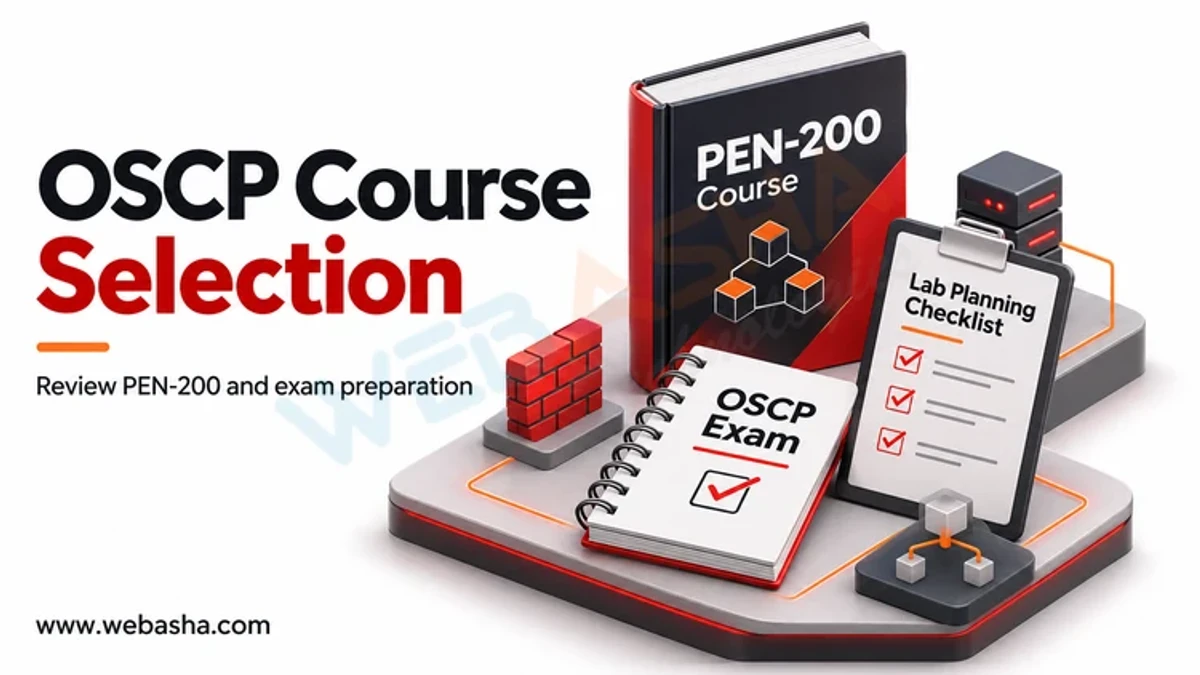
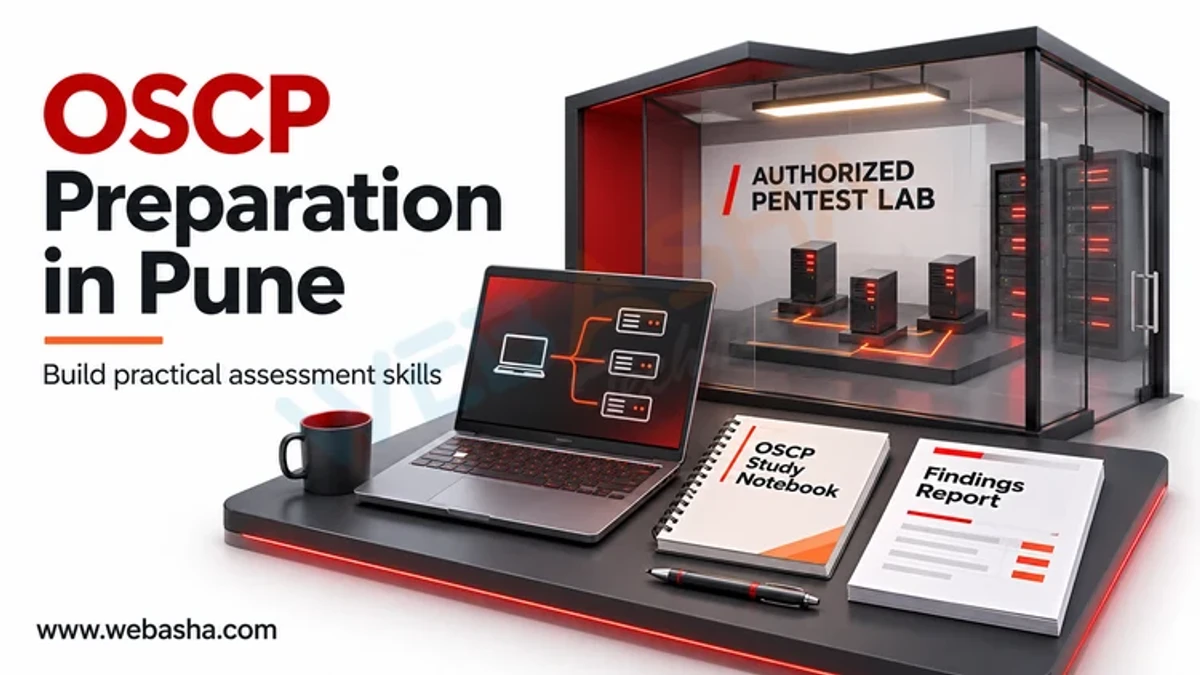
OSCP is OffSec's hands-on penetration testing certification, earned by passing the exam linked to the PEN-200 course. The exam gives you 23 hours and 45 minutes to attack three standalone machines and one Active Directory set, then 24 hours to submit a report; you need 70 of 100 points. Since November 2024, passing also awards OSCP+, which must be renewed every three years.

OSCP Lab Practice and Report Writing: A Practical Guide

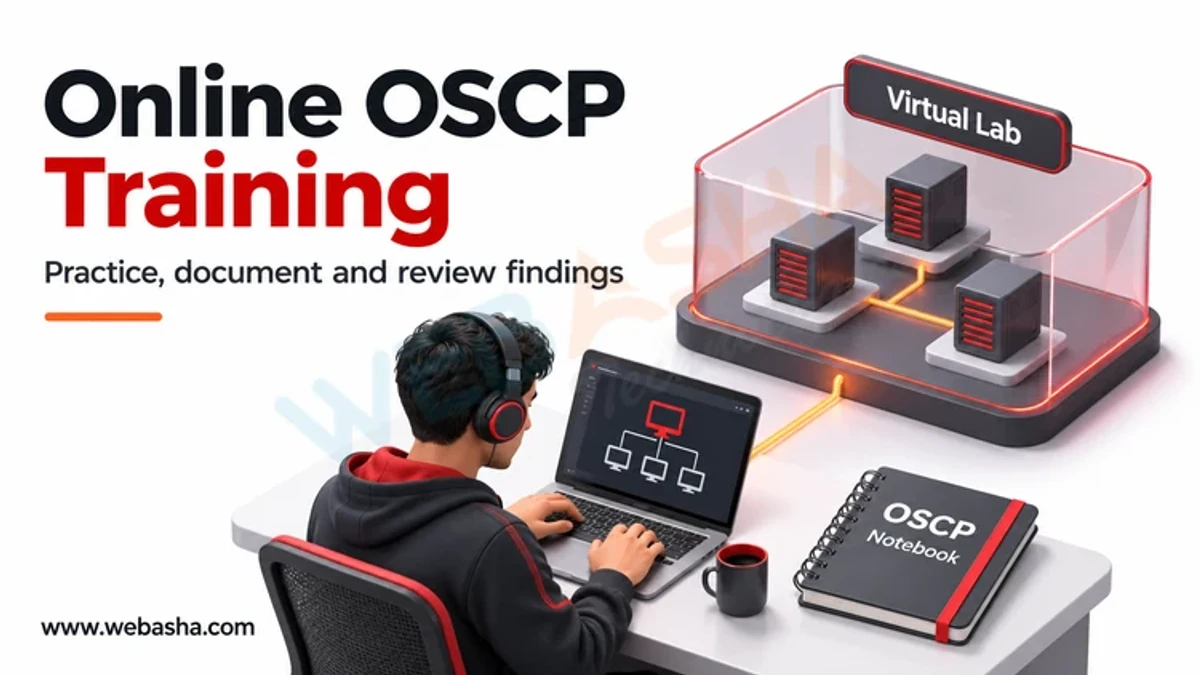
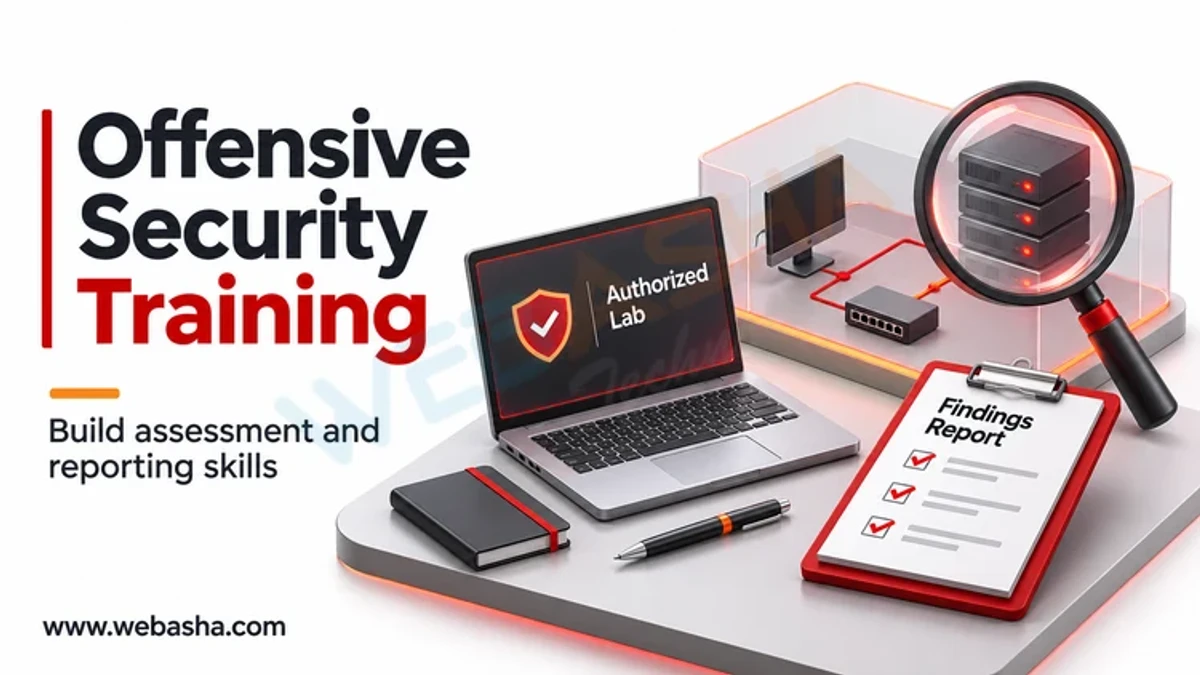
Good OSCP preparation is about two habits: steady practice on authorised lab machines and writing a clear report for every one you complete. Work through the PEN-200 module labs and the nine challenge labs, then add machines from OffSec Proving Grounds. Follow a repeatable method, take notes and screenshots as you go, and turn each machine into a short report with findings, evidence and fixes.

CPENT Certification Guide: Domains, Skills and Who It Suits

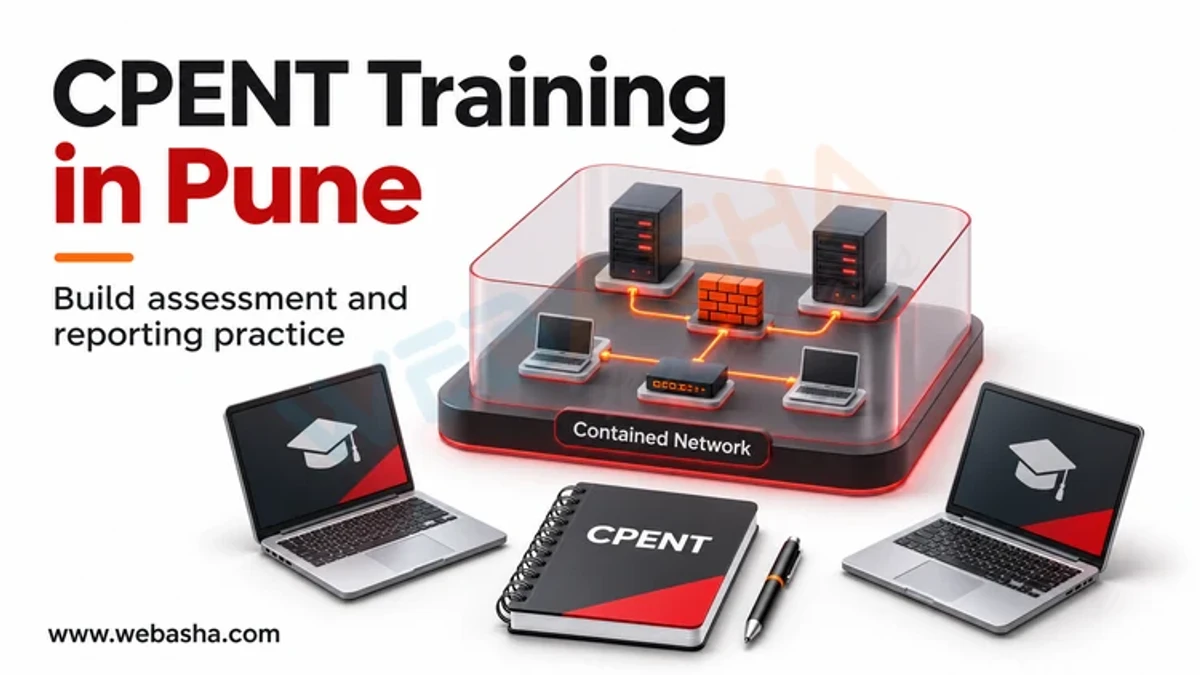
CPENT, the Certified Penetration Testing Professional, is EC-Council's advanced, hands-on penetration testing certification, now marketed as CPENT AI. Its course has 14 core modules covering scoping, OSINT, social engineering, web and API testing, defence evasion, Windows, Linux and Active Directory, binary exploitation, pivoting, IoT and reporting.

CPENT Exam Voucher: Validity, Registration and Retake Rules

A CPENT exam voucher is a prepaid code that pays for one attempt at EC-Council's CPENT exam. Under EC-Council's voucher policy, vouchers are valid for a maximum of one year from the date of purchase, can be extended only once for a fee, and cannot be refunded or transferred.

CPENT vs Red Teaming: What the Certification Covers and Does Not

CPENT is a penetration testing certification, not a red team certification. EC-Council's CPENT exam asks you to find and exploit as many weaknesses as you can across a segmented practice network in 24 hours, then report them. Red teaming is different: an authorised team emulates a specific adversary over time, often with stealth, to test whether defenders detect and respond.

CPENT Course Structure: Modules, Labs and Practice Ranges Explained

EC-Council's CPENT course is a 40-hour training programme with 14 core modules, extra self-study modules, and two kinds of hands-on practice: iLabs, which are guided lab exercises tied to the modules, and practice ranges, which are larger networks that resemble the exam. You can study it self-paced through iLearn, live online through iWeek, or in a classroom with an authorised training partner.

CPENT vs OSCP vs PNPT: Exam Formats and Fit Compared

CPENT, OSCP and PNPT are all hands-on penetration testing certifications, but their exams differ. CPENT, from EC-Council, gives 24 hours (or two 12-hour sessions) in a segmented range, then seven days for a report. OSCP, from OffSec, gives 23 hours 45 minutes of proctored testing, then 24 hours for a report, with 70 of 100 points needed to pass.

CPENT Cost in India Beyond the Voucher: Time, Labs and Retakes

The exam voucher is only part of what CPENT costs. Beyond it, budget for study time, extra lab or practice range months if your access runs out, a computer and connection that can handle a 24-hour online proctored exam, power backup, a possible retake, a possible voucher extension, and yearly continuing education fees to keep the certification active.

CPENT Study Plan: Skills to Build Before You Book the Exam

A good CPENT study plan starts before the course. First, rate yourself against the skills the exam assumes: networking, Windows and Linux, Active Directory, web application testing, scripting and report writing. Fix the weakest areas in a foundation phase. Then work through EC-Council's 14 core modules with their labs, one domain at a time.