Welcome!

Unlock your personalized experience.
Sign Up
Tag

Cybersecurity Articles, Guides & Tutorials - Page 10

158 posts Page 10 / 10

Kali Linux Interview Questions: 50 Practical Answers

Kali Linux interview answers should connect a tool or concept to its purpose, evidence and limits. These fifty questions cover the distribution, networking, web assessment, exploitation concepts, password auditing, wireless work and forensics. Learn Linux fundamentals and work within an agreed testing scope.
How to Become a Cybersecurity Analyst: Skills and Practice

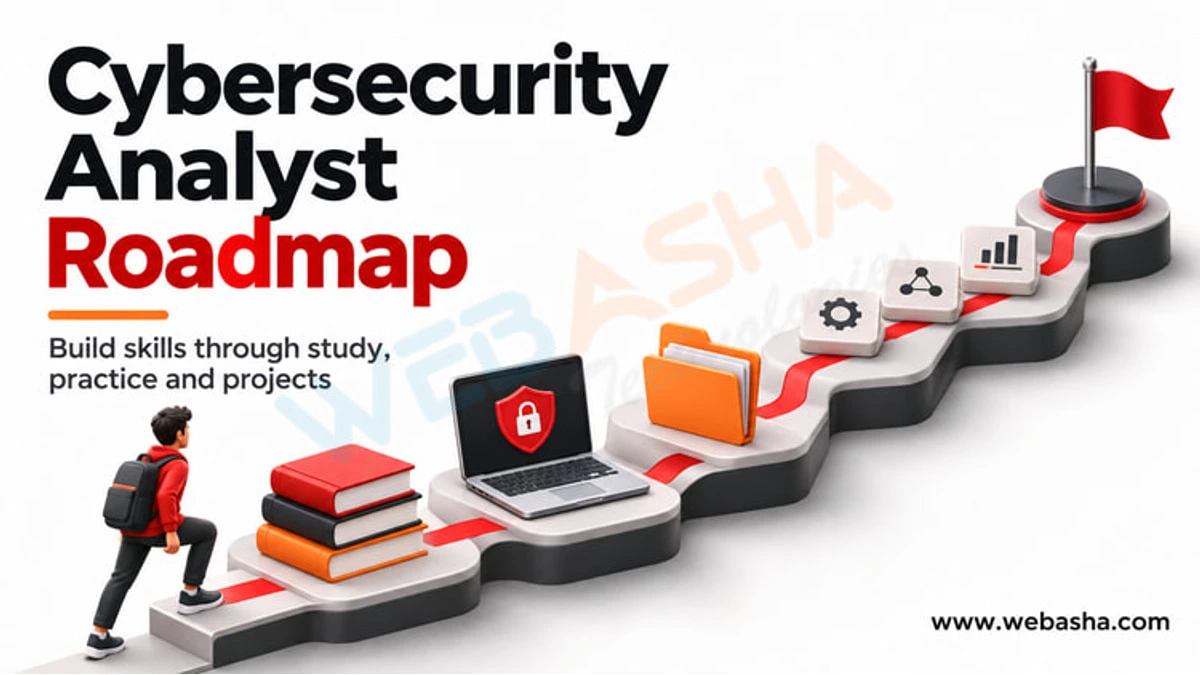
Build cybersecurity analyst skills by learning networks, operating systems, identity and evidence interpretation, then practise explaining a supported conclusion from a small set of supplied records. Education and certifications can support that work, while actual hiring requirements vary by employer. The worked exercise here classifies invented alert times against a clearly defined maintenance window.

Cybersecurity vs Information Security: Scope and Responsibilities

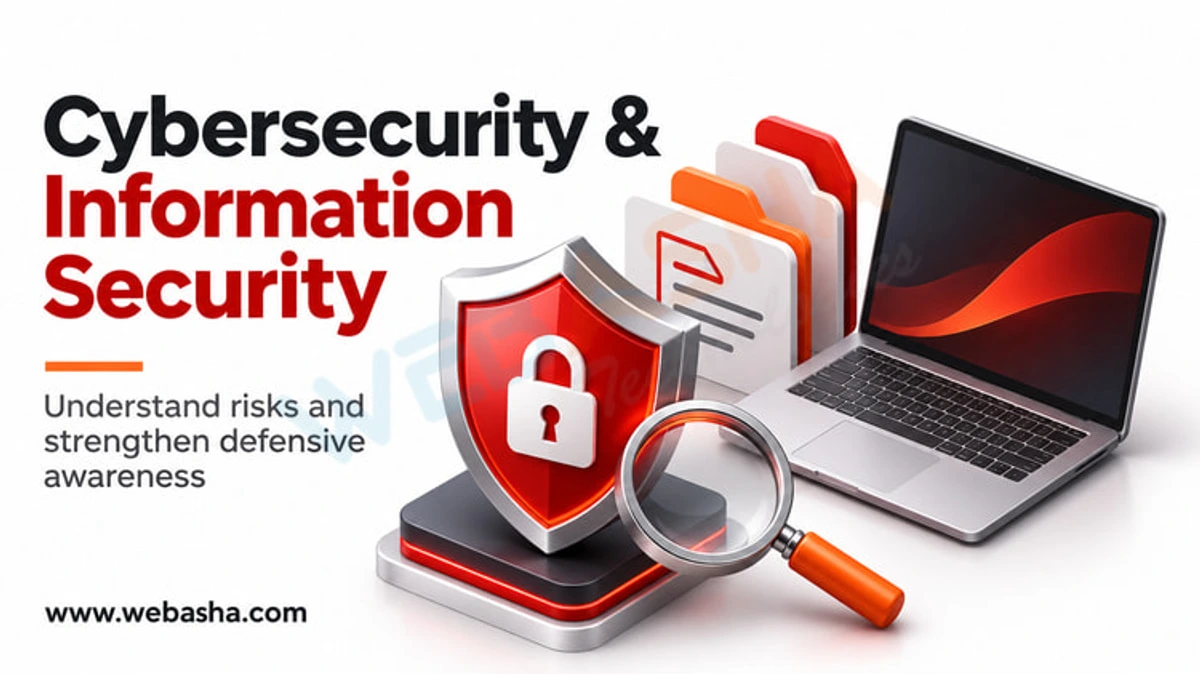
Information security protects information and information systems against unauthorised disclosure, change and disruption. Cybersecurity focuses on risks involving digital systems and cyberspace, with substantial overlap between the terms. Neither field is limited to external attackers, and organisations divide responsibilities differently.

Career Benefits of Learning Ethical Hacking

Ethical-hacking study can help you investigate weaknesses, describe their impact and work with owners on fixes. Those skills can support several security roles, but course completion does not guarantee a job, salary or exam eligibility. A fictional QA learner’s recovery-message exercise shows what a useful contribution looks like: a clear requirement, limited evidence, an actionable handoff and a retest plan.

The Top 8 Kali Linux Tools: What Each One Does and How to Start

Eight essential Kali Linux tools are Nmap (network scanning), Wireshark (packet analysis), Burp Suite (web testing), Metasploit (exploit framework), Hydra (online password testing), John the Ripper (offline password audit), Aircrack-ng (Wi-Fi security) and Maltego (OSINT). Use them only on systems you own or are authorised in writing to test.

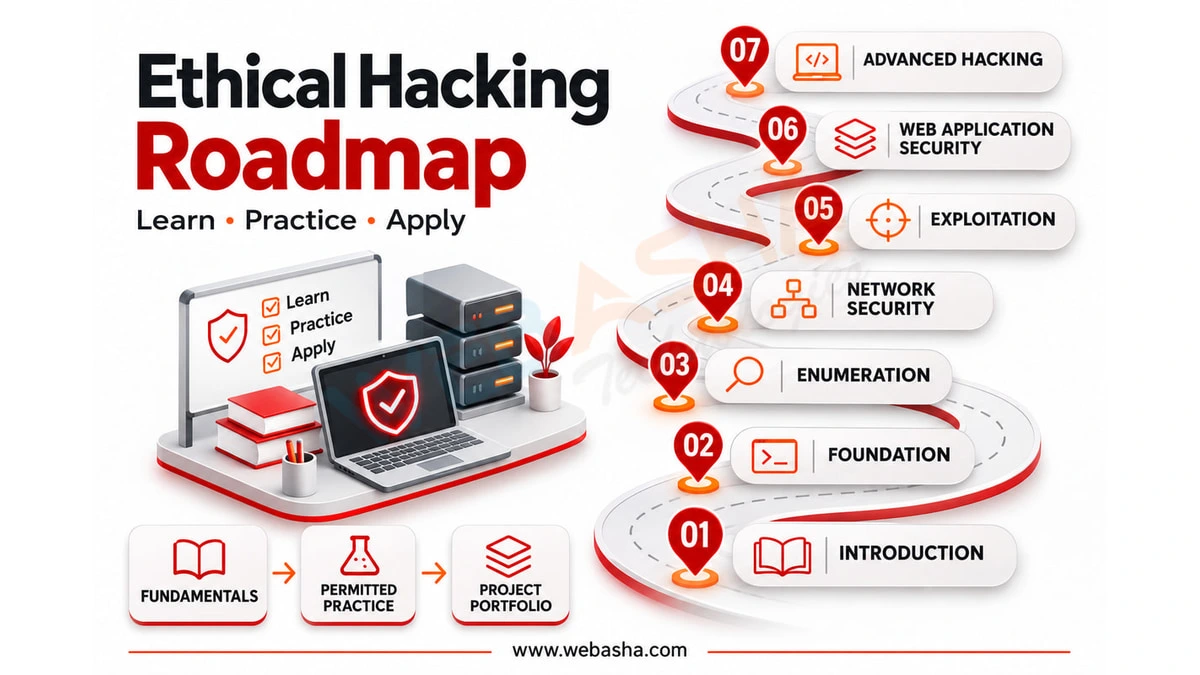
Learn Ethical Hacking from Scratch with Safe Practice

Start ethical-hacking study with networking, Linux basics, HTTP, a little scripting and clear authorization rules. Use supplied data and purpose-built labs before considering real assessments. This guide includes a checked offline Python exercise comparing three invented URL origins, then shows how to turn its result into a short practice report.

CND First-Attempt Preparation with Defensive Evidence

Prepare for CND by learning network behavior, defensive controls and the limits of the evidence each sensor supplies. The issuer currently lists 100 questions over four hours, with a form-dependent pass requirement. A fictional monitoring case distinguishes DNS NODATA from NXDOMAIN without running tools or contacting a host.

Preparing for CEH Master: Exams, Practice and Award Checks

Prepare for CEH Master by checking the current CEH and CEH Practical routes, then developing both conceptual understanding and the ability to complete permitted tasks accurately. EC-Council describes Master as a designation for holders of both certifications, not a separate examination you simply buy. Use issuer materials, original practice and feedback on weak areas.

Preparing for the CEH Knowledge Exam: A Practical Study Plan

Prepare for the CEH knowledge examination by checking the current issuer requirements, mapping the objectives to a realistic study schedule and reviewing why an answer is supported. Combine official material with original, permitted exercises and an error journal. The supplied authentication records below show how easily a plausible attack label can exceed the evidence.

10 CEH Exam Preparation Tips with a Worked Review Example

These ten CEH preparation tips cover the assessment format, eligibility, learning resources, practice, review and appointment readiness. Start with current issuer information and use original questions to test explanations rather than memorise answers. The worked example follows a learner who mistakes SMB signing for encryption and corrects that reasoning with Microsoft documentation.

Cybersecurity Careers for Nontechnical Professionals

Nontechnical professionals can move toward cybersecurity work by building security understanding around skills they already use. Risk coordination, supplier review, awareness, policy and project delivery need careful judgement and communication, although their technical depth varies. Start with actual job duties and a small supervised learning task.

Ethical Hacker Résumé for Experienced Professionals

An experienced ethical hacker résumé should connect technical work to clear responsibilities and supported results. Include relevant employment, selected assessments, grouped skills, exact credentials and education. Use specific examples of validation, reporting, collaboration and retesting, while distinguishing your contribution from a developer’s repair or an owner’s risk decision.

CEH v12: What Changed and How to Read the Course Claims

CEH v12 was introduced in September 2022 with a Learn, Certify, Engage and Compete framework and expanded practice-oriented material. Those are historical course changes, not evidence that an old package is the current product or that every advertised quantity measures the same thing. This guide separates techniques, tools, exercises and assessment requirements, then shows how to evaluate an old course comparison.

What Is Cybersecurity? Protecting Data and Everyday Services

Cybersecurity protects digital systems, information and the services people rely on. It includes preventing avoidable harm, detecting suspicious activity, responding to incidents and restoring useful operations. Its practical scope extends beyond buying antivirus software or stopping an external attacker.