Welcome!

Unlock your personalized experience.
Sign Up
Category

Cloud Computing

Master the concepts of Cloud Computing with AWS, Azure, GCP, and Cloud Security. Learn about cloud certifications and how they can boost your career.

30 posts Page 2 / 2

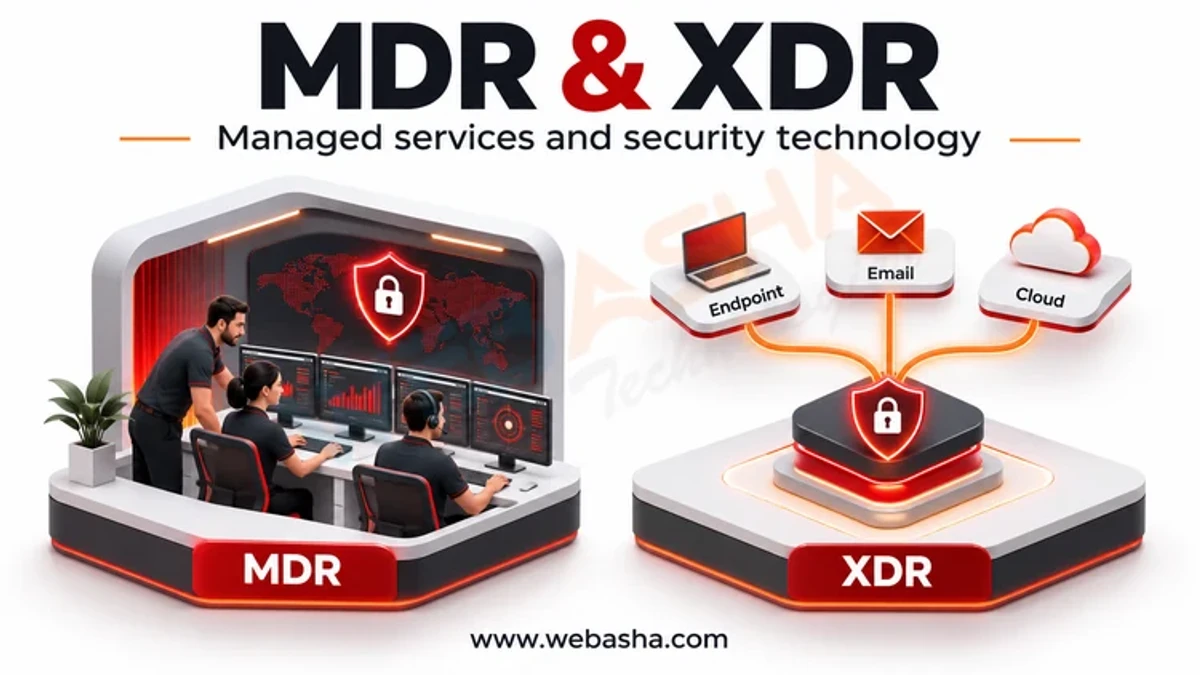
MDR and XDR for DevOps Teams: How They Work and When You Need Them

XDR (extended detection and response) is a technology platform that collects and correlates security data from endpoints, cloud, identity, email and network to detect and respond to attacks. MDR (managed detection and response) is a service: a provider's analysts monitor your environment around the clock, investigate alerts and take or guide response actions, often using an XDR platform.

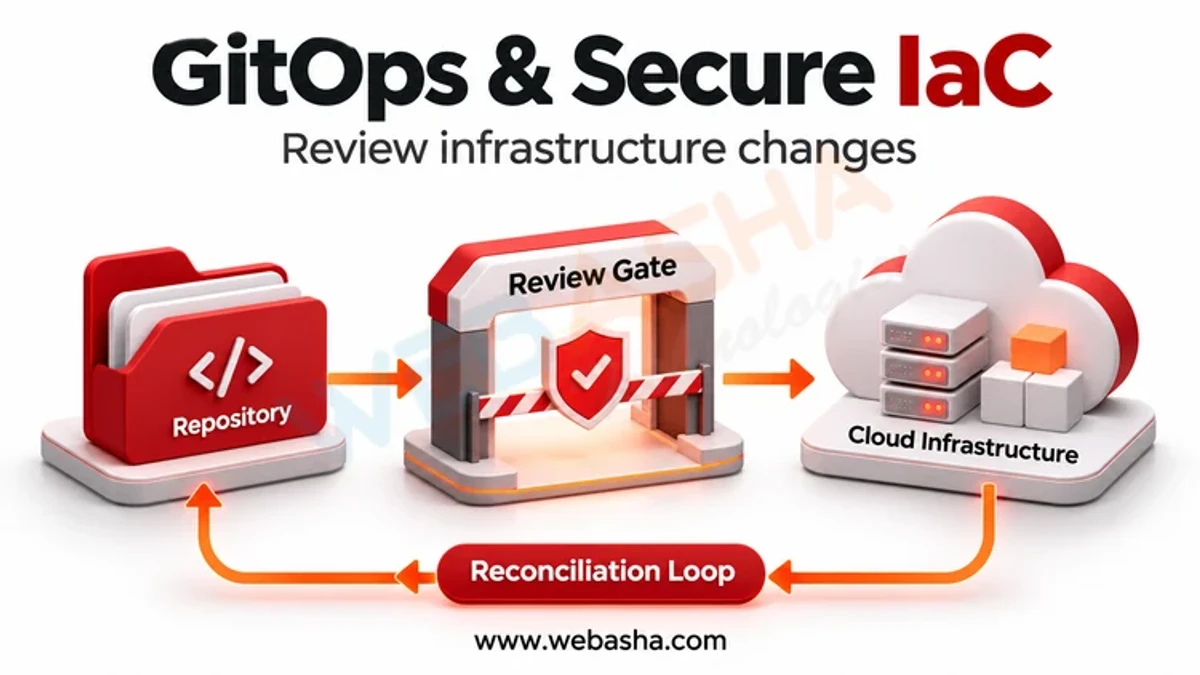
GitOps and Secure Infrastructure as Code: A Practical Guide

Infrastructure as code (IaC) describes servers, networks and cloud resources in version-controlled files, applied by tools such as Terraform. GitOps goes a step further: a Git repository holds the desired state of the whole system, and an agent inside the environment, such as Argo CD or Flux, continuously pulls that state and reconciles the live system to match.

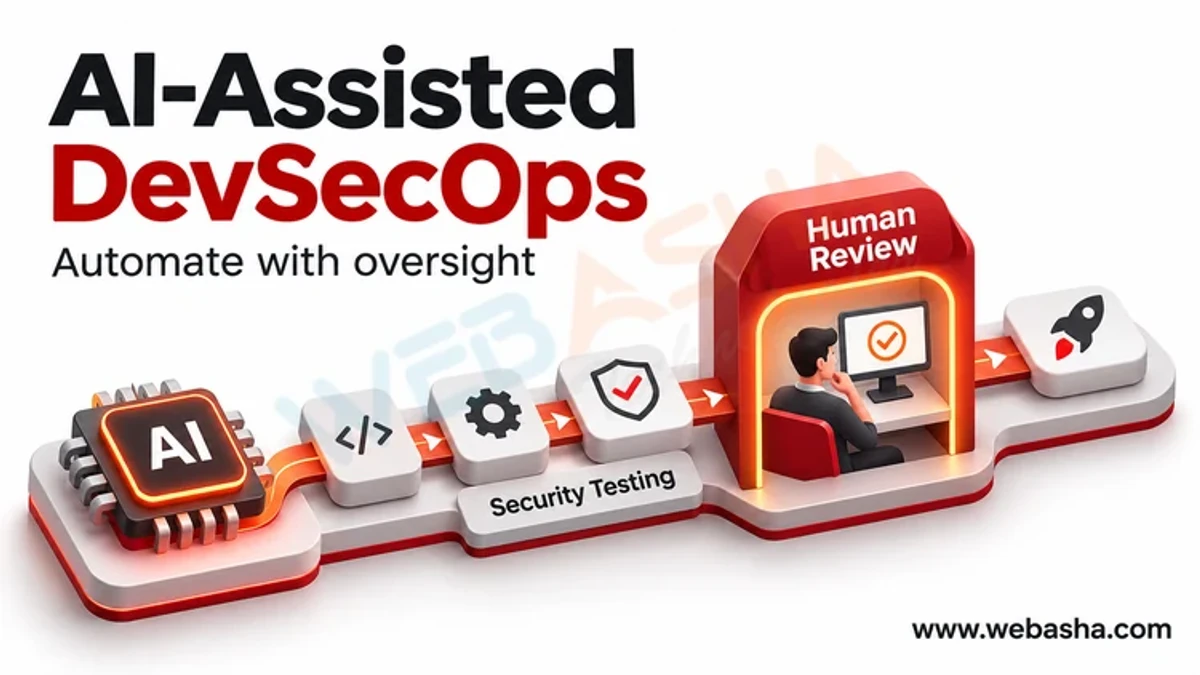
AI in DevSecOps and AIOps: Where It Helps and Where It Fails

AI is now used across DevSecOps to triage scanner findings, suggest code fixes, generate fuzz tests, summarise logs and incidents, and detect anomalies in operations data (AIOps). Documented examples include GitHub's Copilot Autofix for code scanning alerts and Google's use of language models to write fuzz targets in OSS-Fuzz.

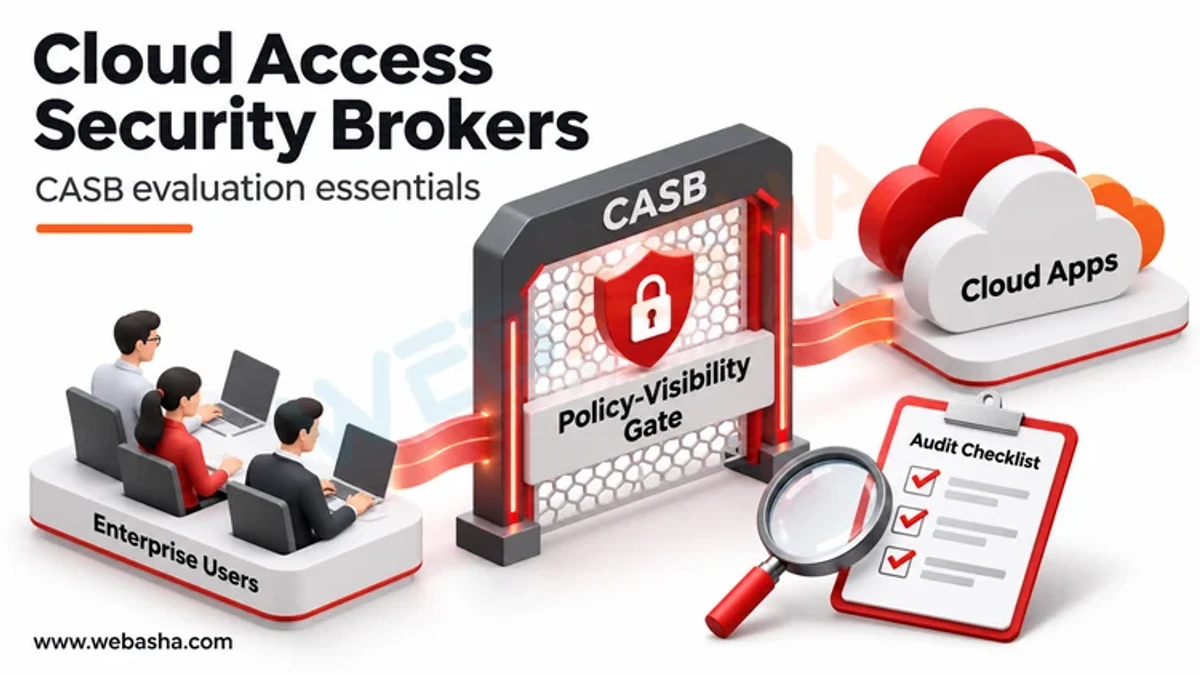
What Is a CASB? How to Choose a Cloud Access Security Broker

A cloud access security broker (CASB) sits between users and cloud services to give visibility and control over how SaaS and cloud apps are used. It discovers unapproved "shadow IT", applies data loss prevention to files and messages, detects risky behaviour such as mass downloads or impossible travel, and checks app configurations against policy.

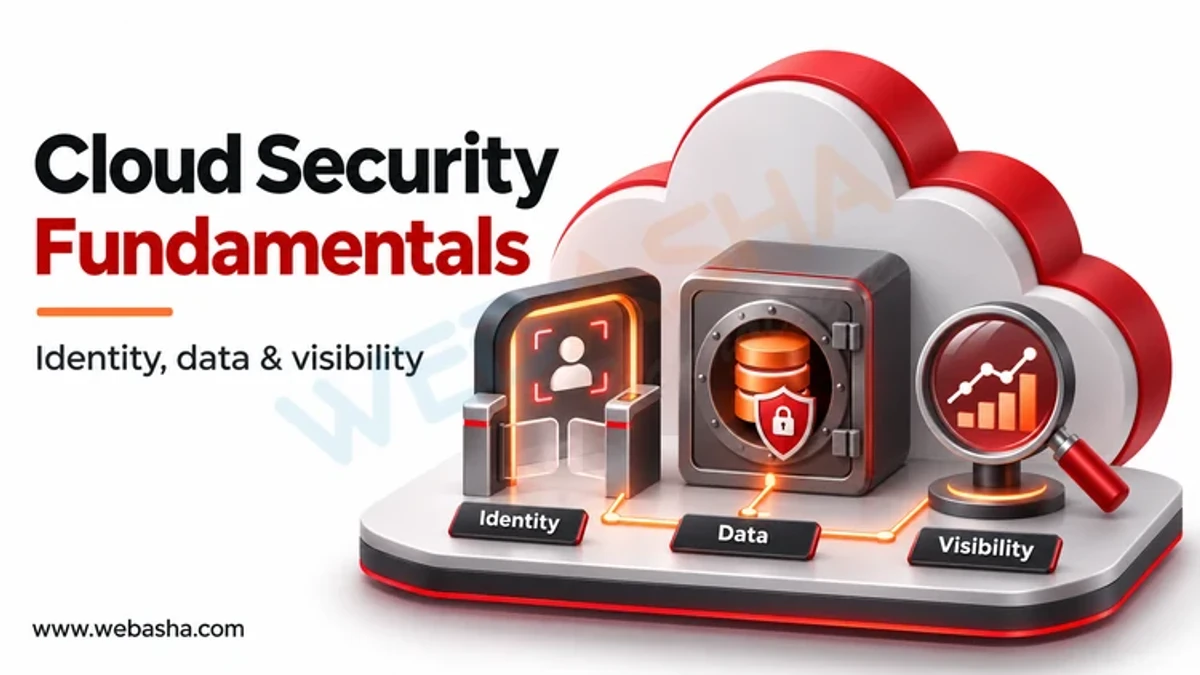
Cloud Security Fundamentals: Shared Responsibility to Best Practices

Cloud security is the set of controls that protect data, applications and infrastructure running in public, private or hybrid clouds. Its foundation is the shared responsibility model: the provider secures the underlying infrastructure, and the customer secures how they use it, including identities, data, configurations and, depending on the service model, operating systems and applications.

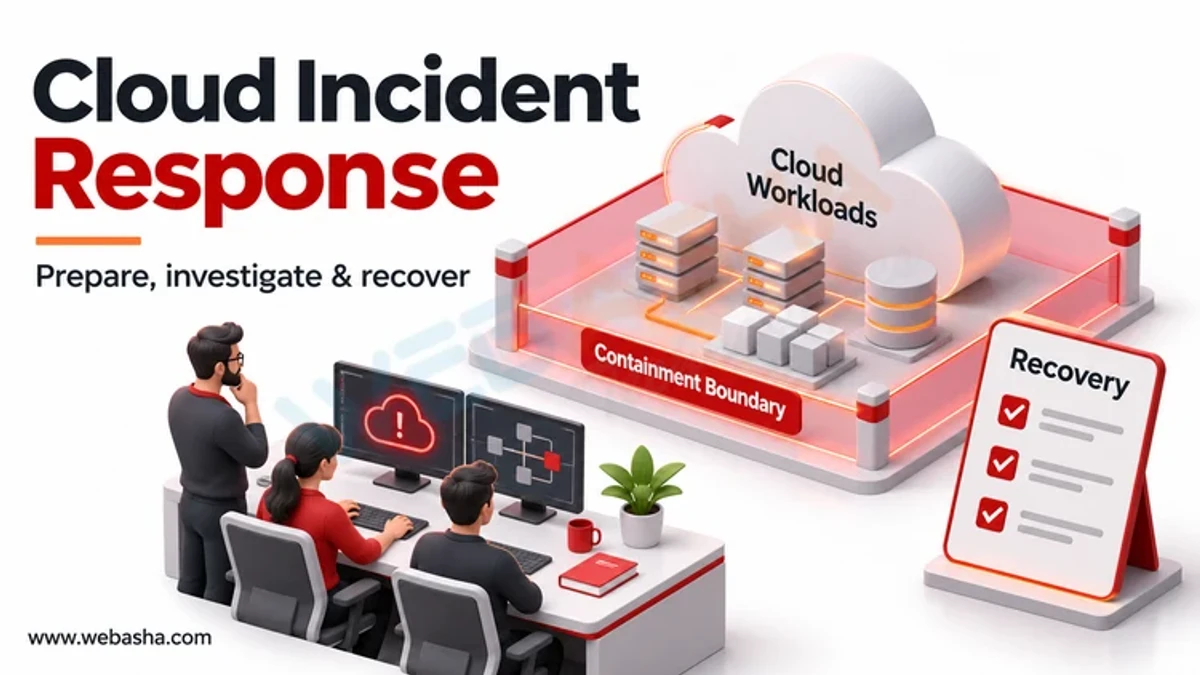
12-Step Checklist for Cloud Incident Response: Step-by-Step Guide

A cloud incident response checklist covers twelve steps: prepare roles and access in advance, make sure logging is on, detect and triage alerts, scope affected accounts and resources, contain compromised identities first, then isolate affected resources, preserve evidence such as logs and disk snapshots, remove the attacker's access and persistence, recover from clean sources, notify regulators and customers on…

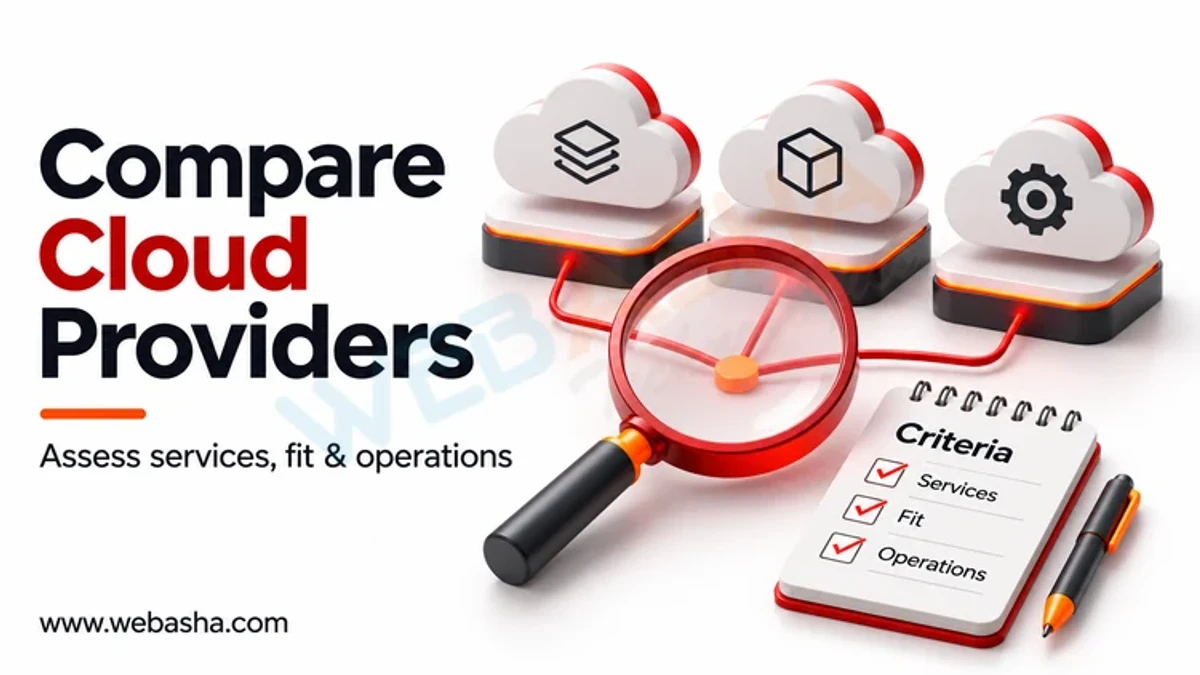
Top Cloud Service Providers Globally and How They Compare

The largest global cloud providers are Amazon Web Services (AWS), Microsoft Azure and Google Cloud, followed by Oracle Cloud Infrastructure and Alibaba Cloud. AWS has the broadest service catalogue, Azure fits organisations built on Microsoft 365 and Windows Server, Google Cloud is strong in data analytics, Kubernetes and AI, Oracle suits Oracle database workloads, and Alibaba is prominent in China and parts of Asia.

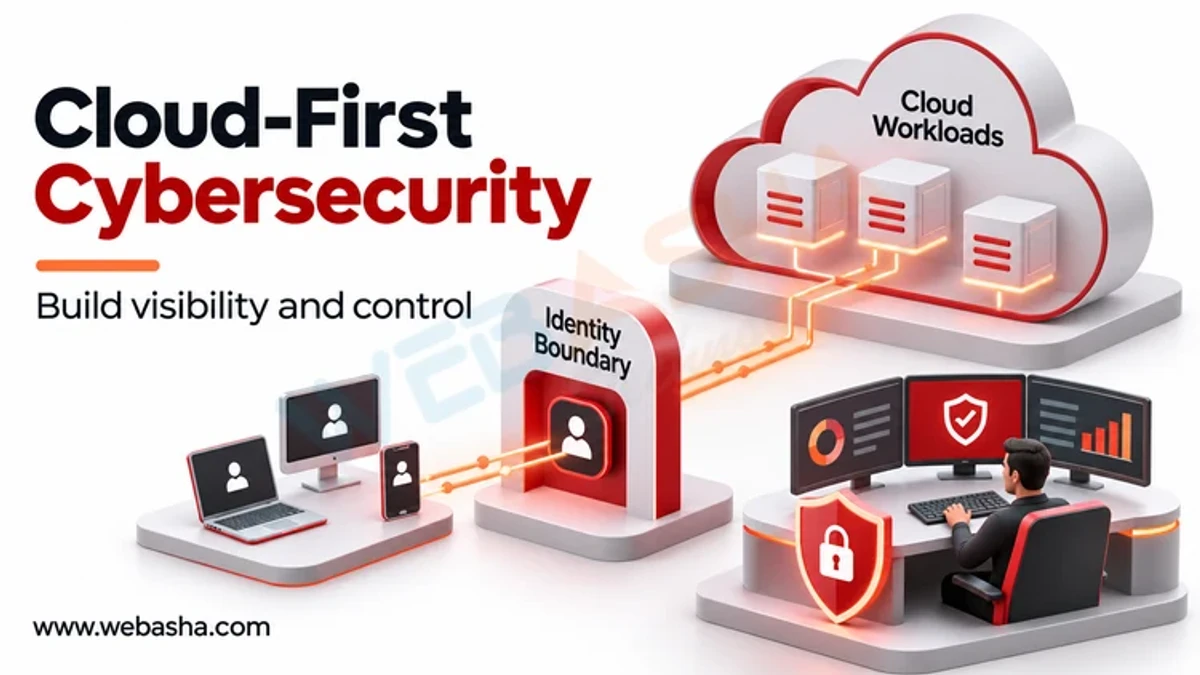
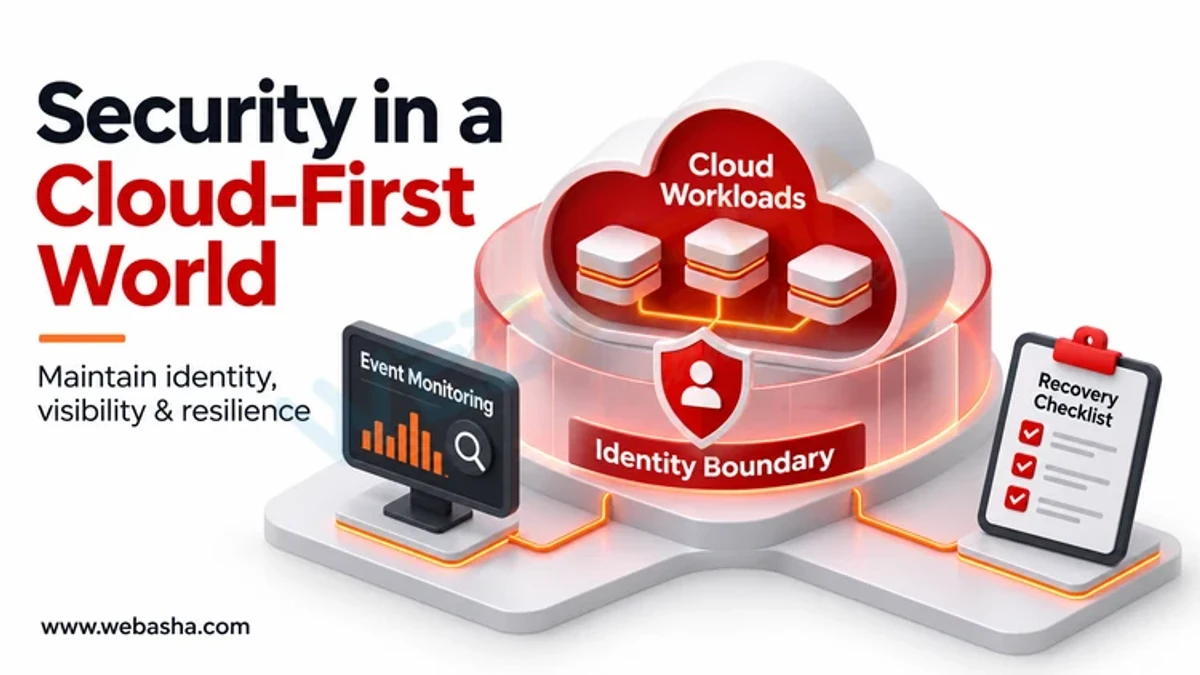
The Future of Cybersecurity in a Cloud-First World

In a cloud-first world, security shifts from defending a network perimeter to protecting identities, configurations, data and workloads spread across cloud providers and SaaS apps. The biggest risks are stolen credentials, misconfigured cloud services and over-privileged access rather than attacks on the providers' own infrastructure.

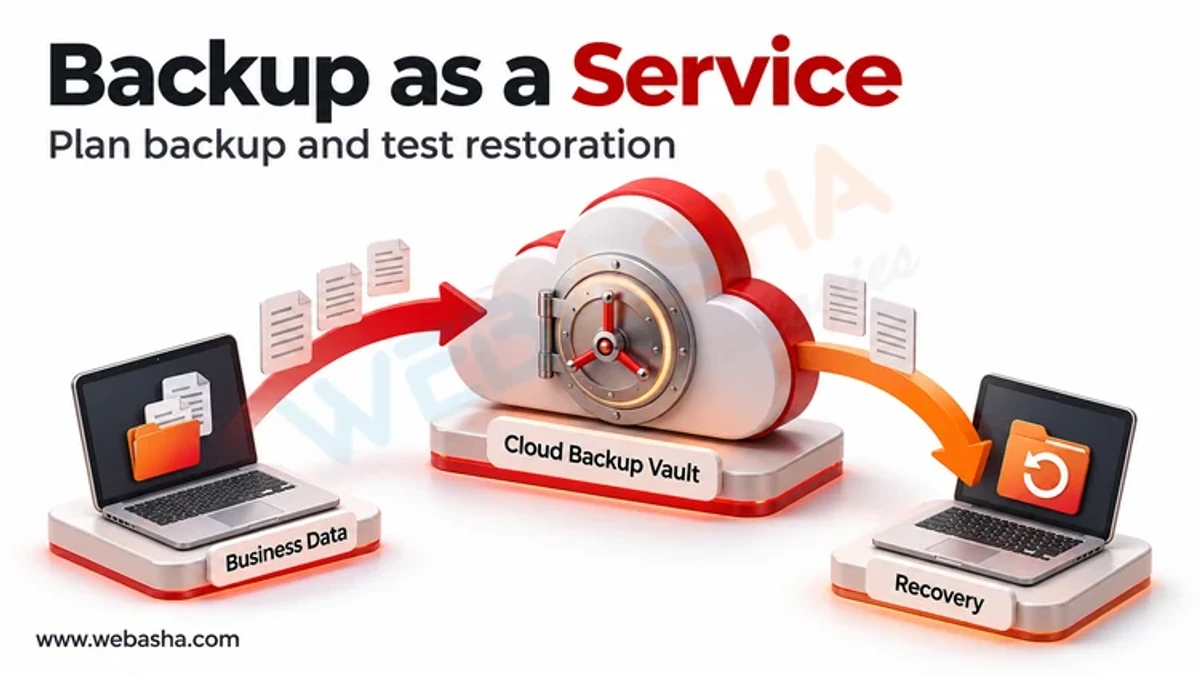
What Is Backup as a Service (BaaS) and How Does It Protect Data?

Backup as a Service (BaaS) is a cloud-based service where a provider stores, manages and protects copies of your data off-site, so you do not have to run your own backup hardware. Agents or APIs copy data from servers, laptops, databases and SaaS apps such as Microsoft 365 to the provider's cloud on a schedule, usually encrypted, deduplicated and kept for a set retention period.

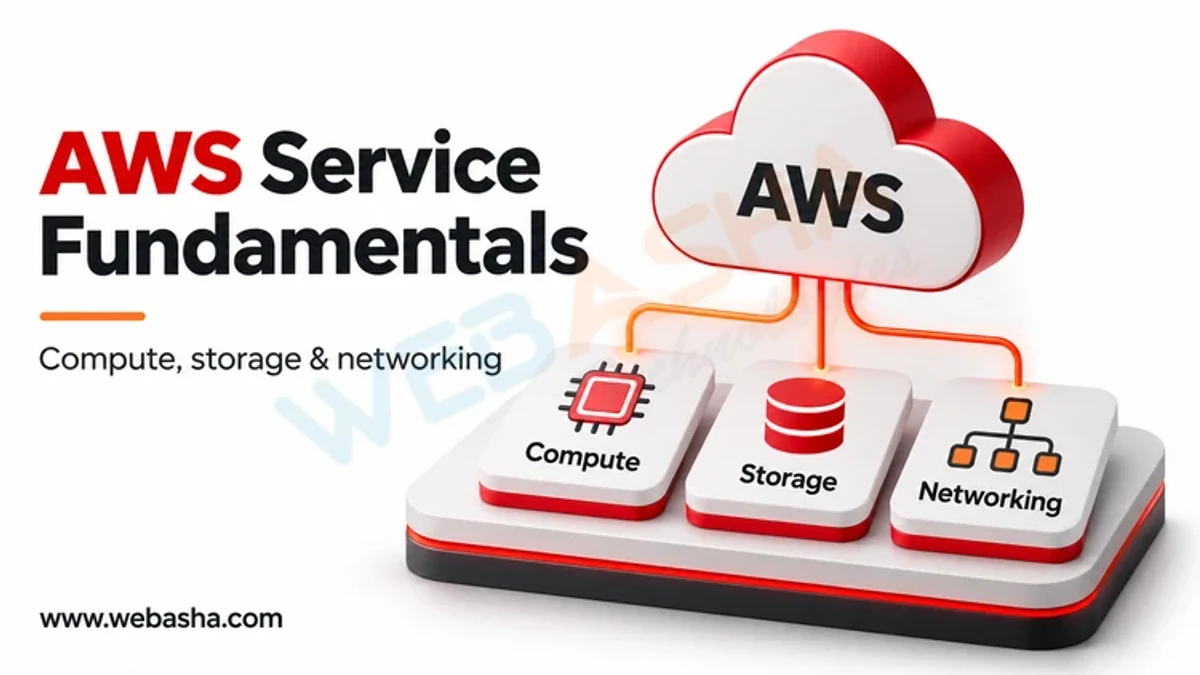
Key AWS Services and How Businesses Use Them to Innovate and Save

The AWS services most businesses rely on are EC2 (virtual servers), Lambda (serverless functions), S3 (object storage), RDS and DynamoDB (managed databases), VPC (private networking), IAM (identity and access control), CloudFront (content delivery), CloudWatch and CloudTrail (monitoring and audit logs), and GuardDuty (threat detection), with growing use of analytics and AI services such as Athena and Bedrock.

What Is Cloud Computing and Why Is It Important? A Detailed Guide

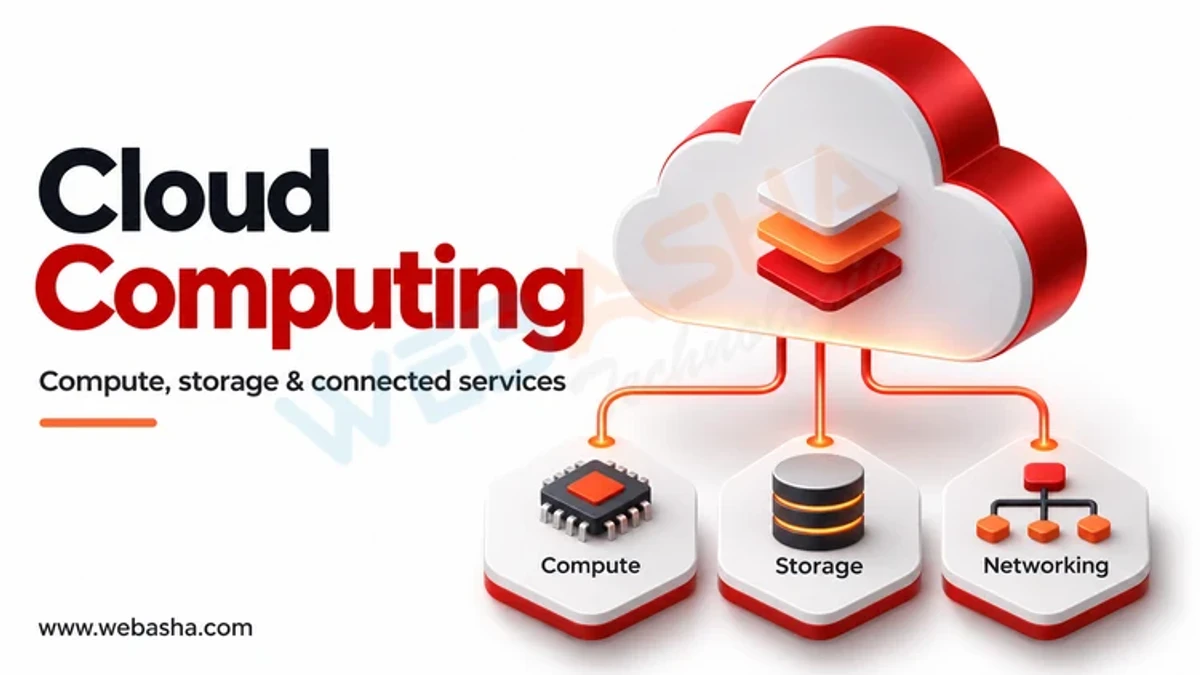
Cloud computing is on-demand access over a network to shared computing resources, such as servers, storage, databases and software, that can be provisioned quickly and paid for by use. NIST defines it by five characteristics: on-demand self-service, broad network access, resource pooling, rapid elasticity and measured service.