Welcome!

Unlock your personalized experience.
Sign Up
Category

Cloud Computing

Master the concepts of Cloud Computing with AWS, Azure, GCP, and Cloud Security. Learn about cloud certifications and how they can boost your career.

30 posts Page 1 / 2

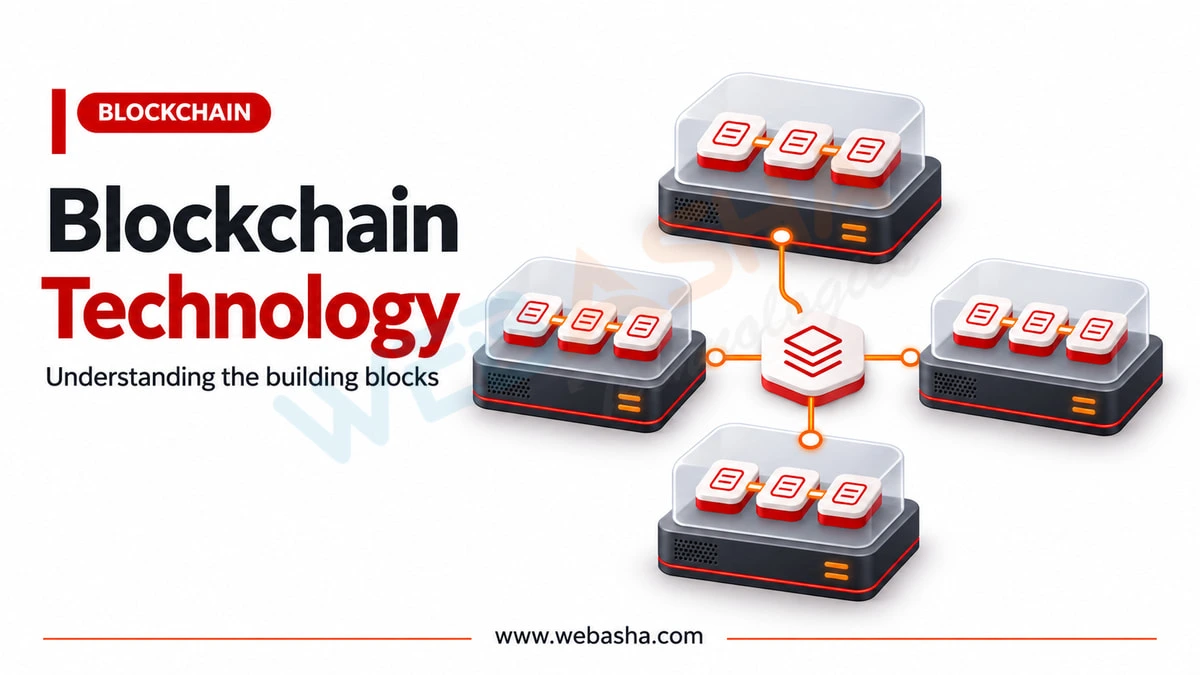
What Is Blockchain Technology? How It Works and Its Limits

A blockchain is a shared digital ledger, maintained across many computers with no central authority, where records are grouped into blocks and each block is cryptographically linked to the one before it. NIST describes blockchains as "tamper evident and tamper resistant", which is deliberately not the same as immutable.
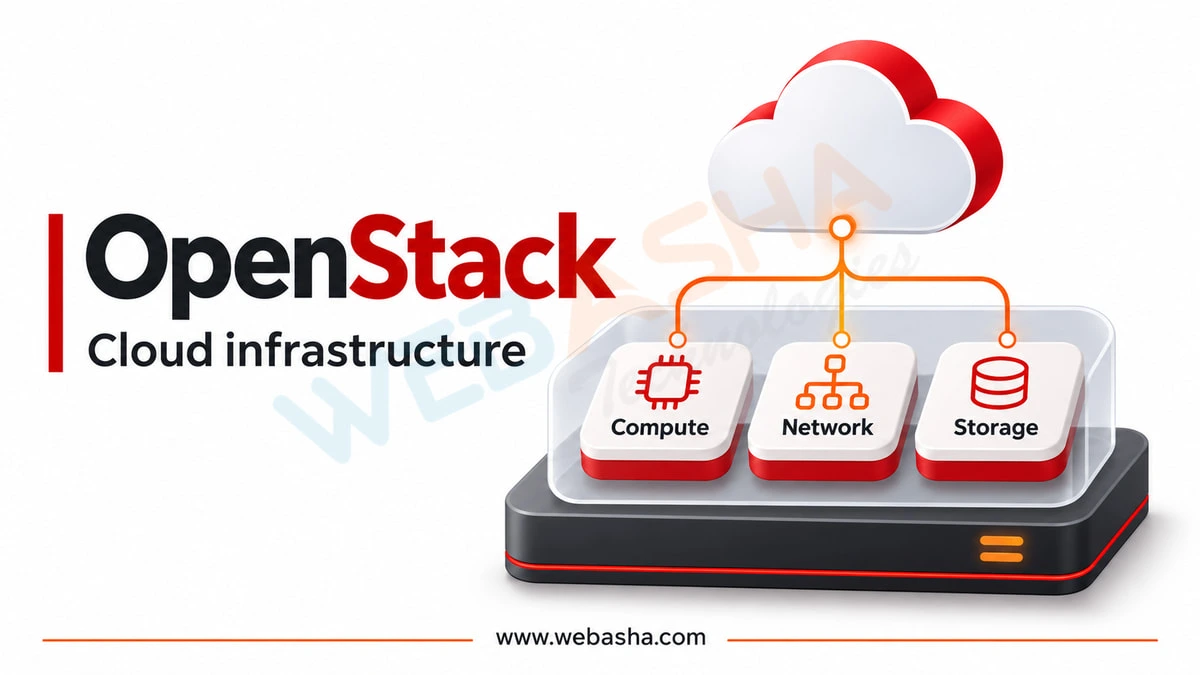
What Is OpenStack? Components, Reality and When to Use It

OpenStack is open-source software for running a private cloud on your own hardware. It is not one program but a set of cooperating services with project names you need to know: Nova for compute, Neutron for networking, Cinder for block storage, Glance for images, Keystone for identity, Swift for object storage and Horizon for the dashboard.

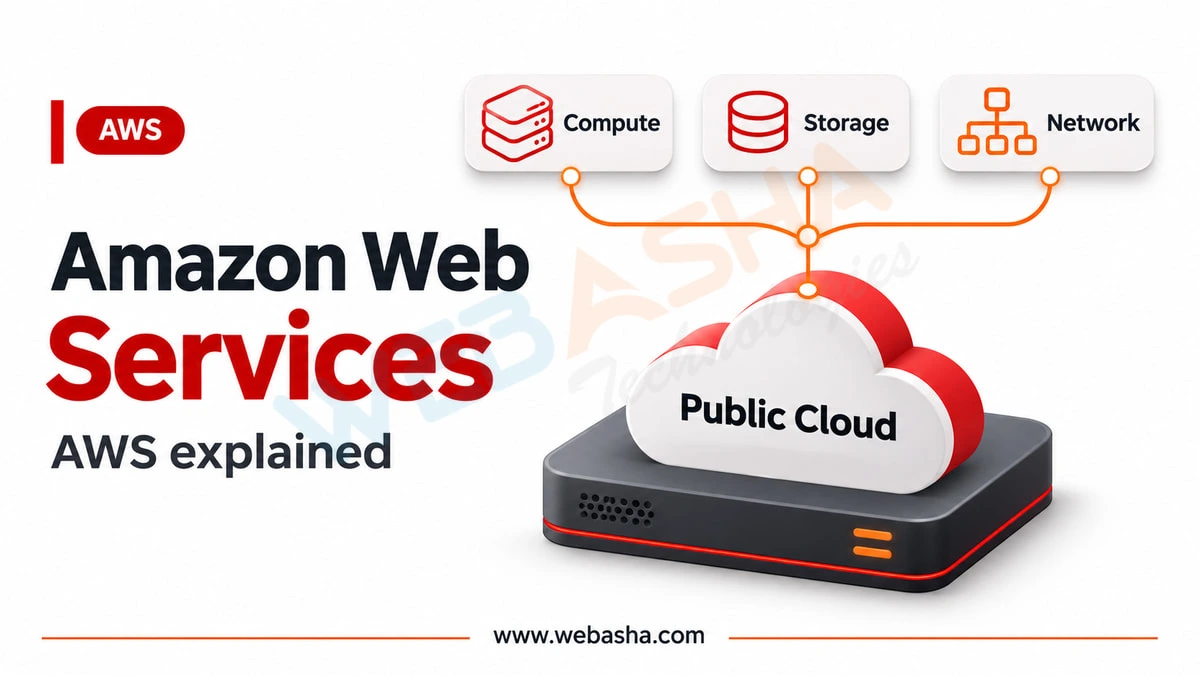
What Is AWS? Regions, Core Services and Who Secures What

AWS is a cloud platform that rents computing, storage, networking and managed services by the hour or by the request. Two ideas carry most of the understanding. A Region is a physical location containing multiple Availability Zones, which AWS describes as "one or more discrete data centers, each with redundant power, networking, and connectivity, housed in separate facilities".

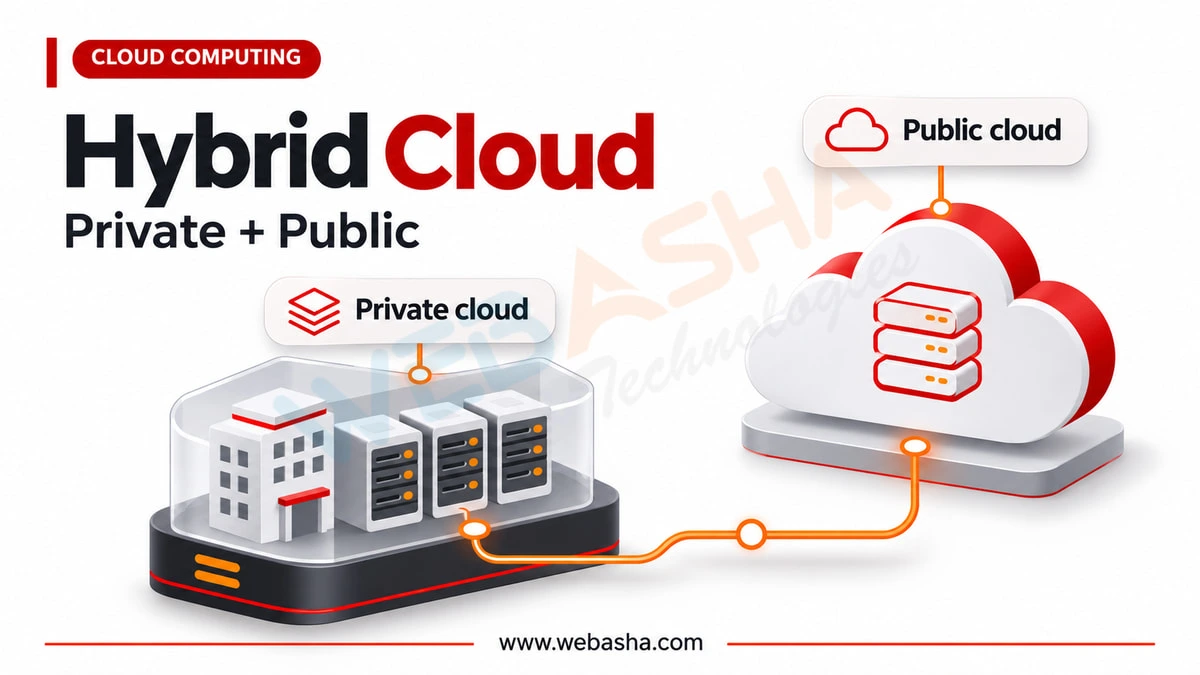
What Is Hybrid Cloud? Definition, Examples, Connectivity and Security

A hybrid cloud combines two or more distinct cloud environments, typically a private cloud or on-premises data centre with a public cloud such as AWS, Azure or Google Cloud, connected so that data and applications can move between them. Organisations use it to keep sensitive or latency-critical systems close while using public cloud for scale and new services.

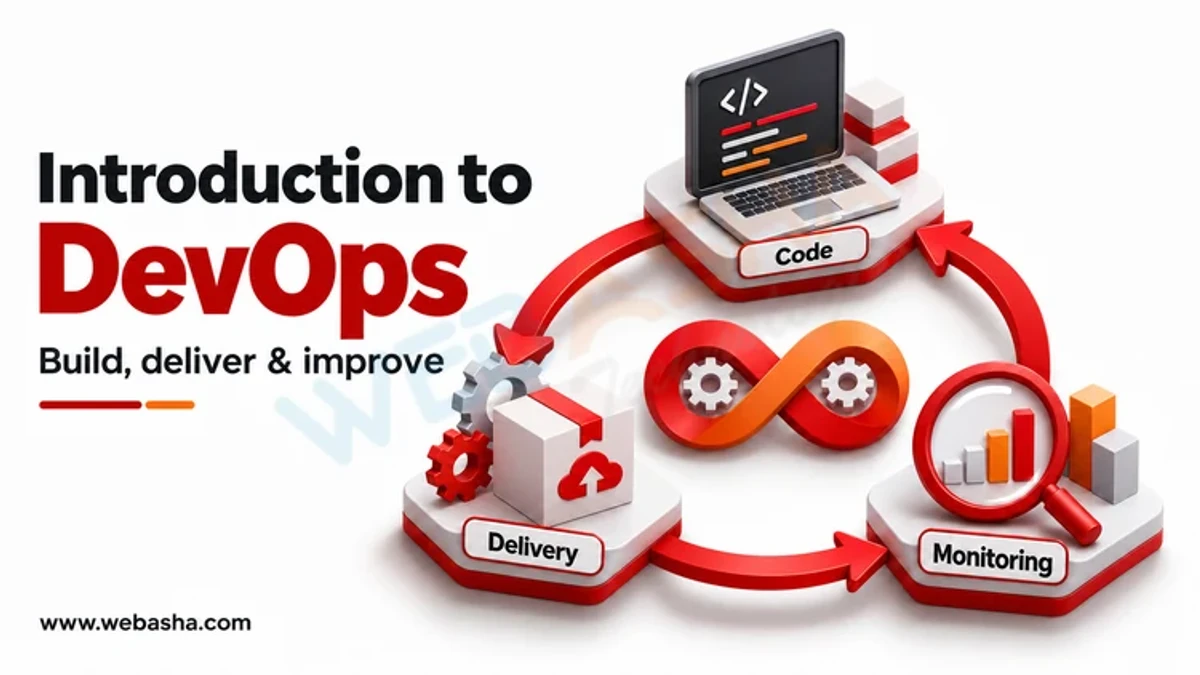
What Is DevOps? Culture, Lifecycle, Metrics, Tools and How to Start

DevOps is a way of building and running software in which development and operations work as one team, automate the path from code to production, and measure how well that path works. It combines culture (shared ownership and blameless learning), practice (small frequent changes, automated testing and deployment, monitoring) and tools (Git, CI/CD, containers, Kubernetes, infrastructure as code).

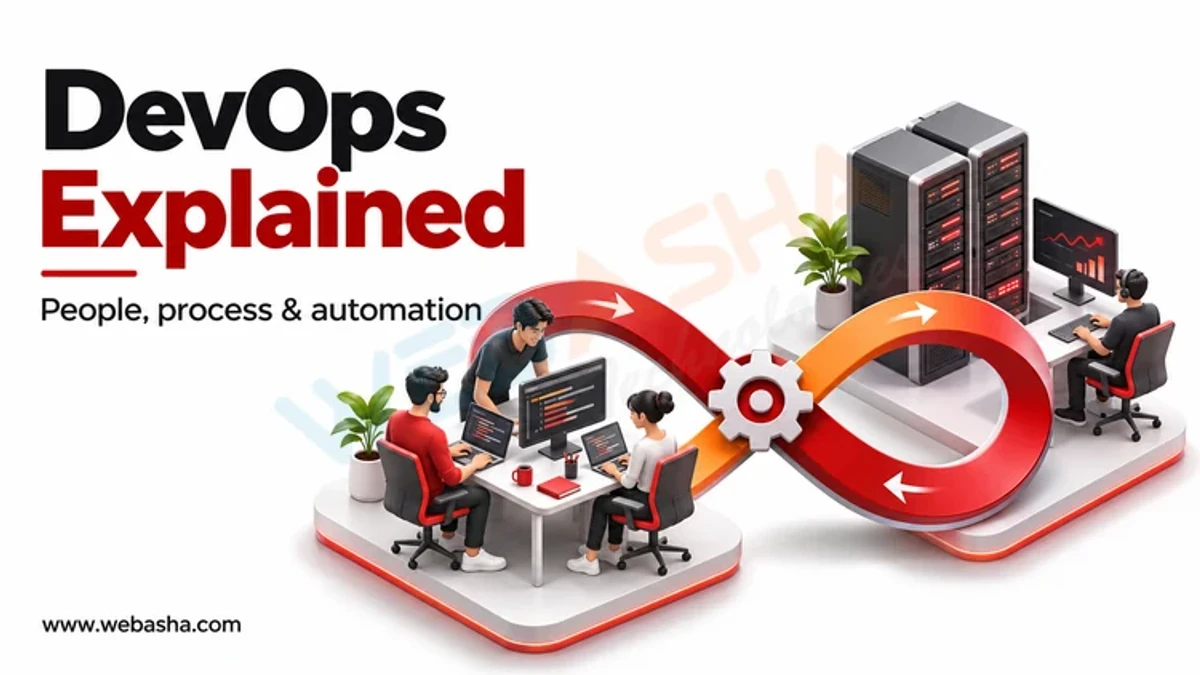
DevOps Explained: What It Is, Why It Matters and How to Adopt It

DevOps is a way of working in which development and operations share responsibility for building, releasing and running software, supported by automation such as continuous integration, continuous delivery and infrastructure as code. Organisations adopt it to release changes more often with fewer failures and to recover faster when something breaks.

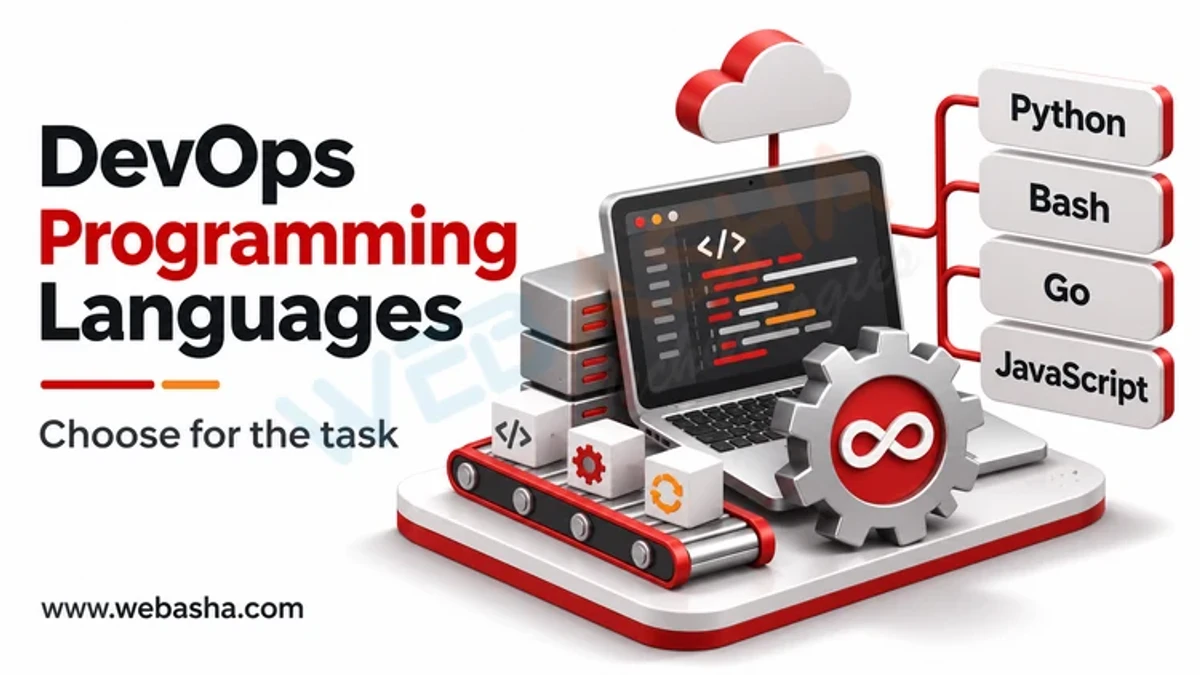
Programming Languages for DevOps Engineers: What to Learn and Why

Most DevOps work needs only a few languages: Bash (or PowerShell on Windows) for shell scripting, Python for automation and glue code, YAML for pipelines and Kubernetes manifests, HCL for Terraform, and Go if you build or extend cloud-native tools. JSON, SQL and a little JavaScript or Groovy (for Jenkins) are useful extras. Learn Bash and Python first, read YAML and HCL fluently, and add Go later.

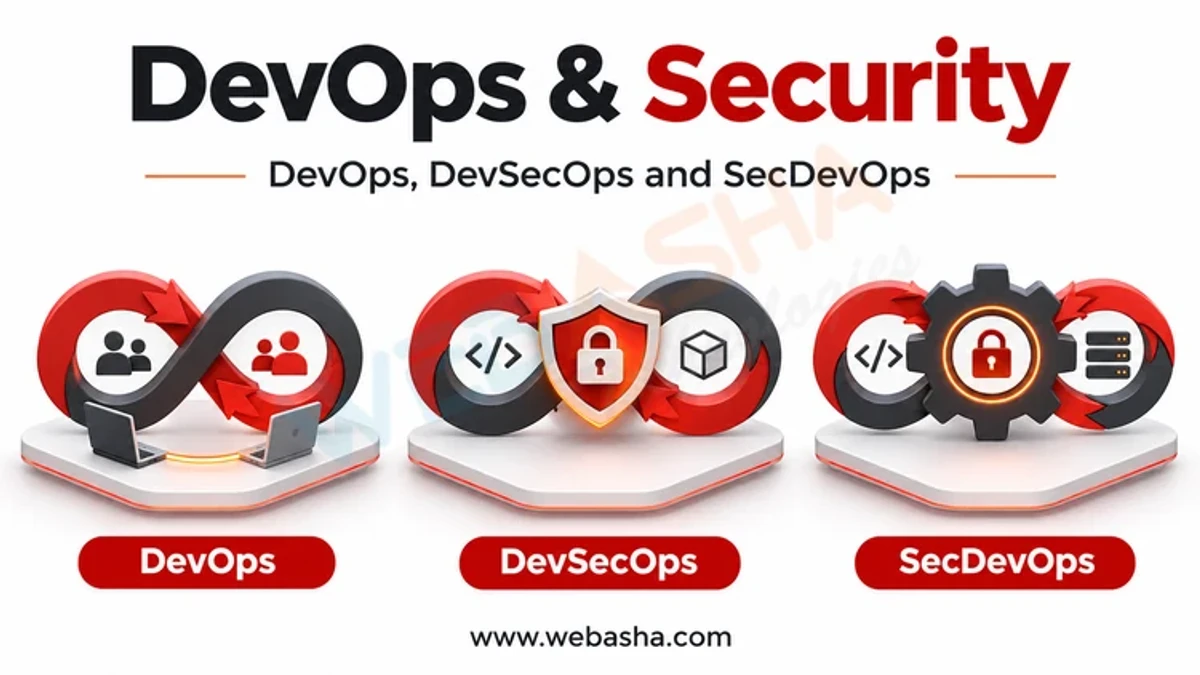
DevOps vs DevSecOps vs SecDevOps: Key Differences Explained

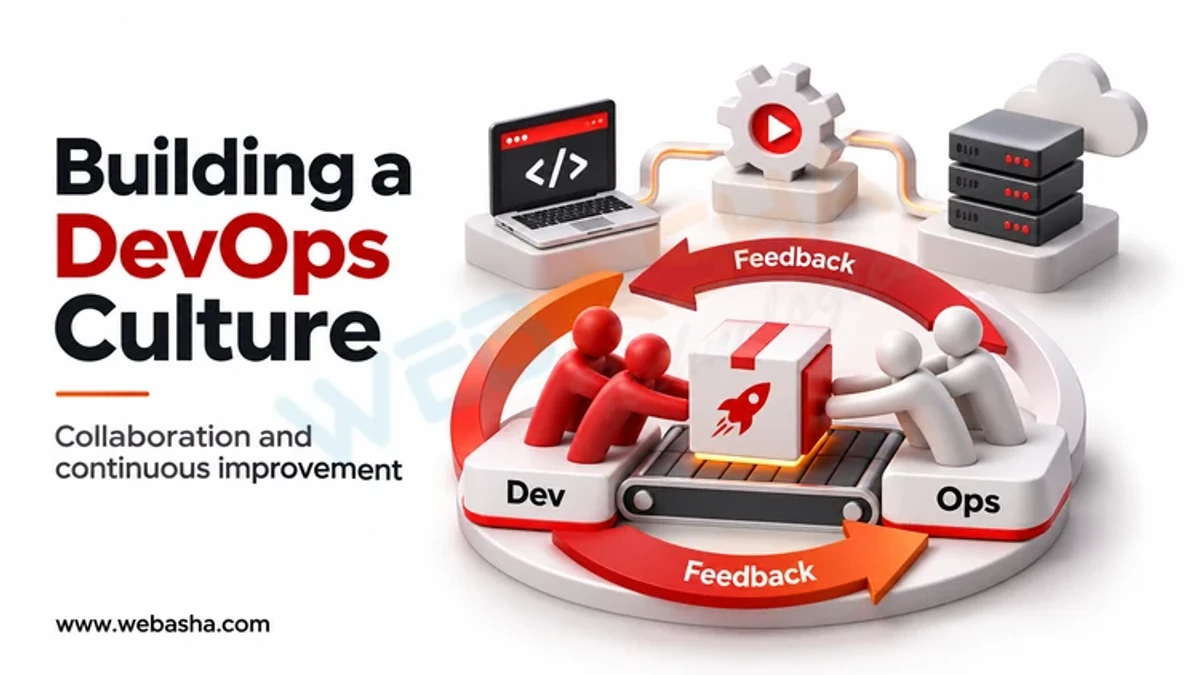
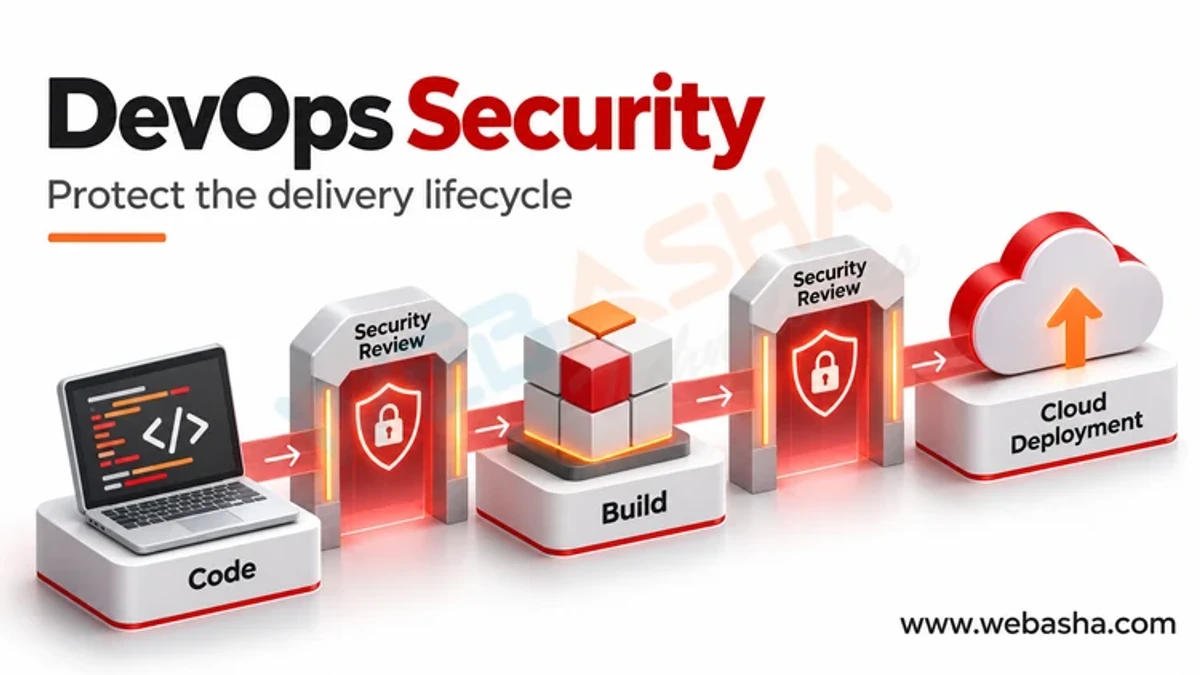
DevOps joins development and operations to deliver software quickly and reliably. DevSecOps adds security as a shared responsibility throughout that process, with automated security checks in the pipeline and security specialists working inside product teams. SecDevOps is a less common name for the same idea that puts the emphasis on security first, for example threat modelling and secure design before coding.

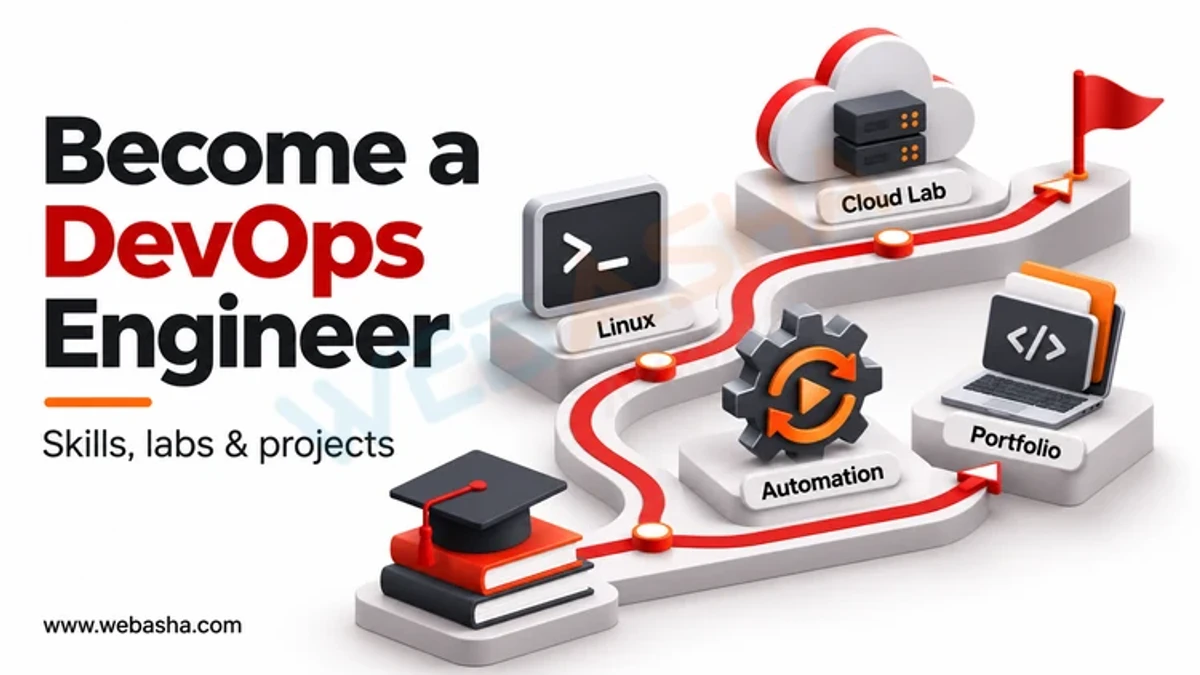
DevOps Engineer Roadmap: A 6-Month Plan with Tools and Projects

Becoming job-ready as a DevOps engineer in six months is realistic only if you already have basic IT or programming experience and can study around 15 to 20 hours a week. Month 1 covers Linux, networking and Bash; month 2 Git, Python and CI/CD; month 3 Docker and a cloud provider; month 4 Terraform and Ansible; month 5 Kubernetes; month 6 monitoring, security and a capstone project.