Welcome!

Unlock your personalized experience.
Sign Up
Tag

Vulnerability scanning Articles, Guides & Tutorials

17 posts Page 1 / 2

Phases of Penetration Testing Explained: A Step-by-Step Guide

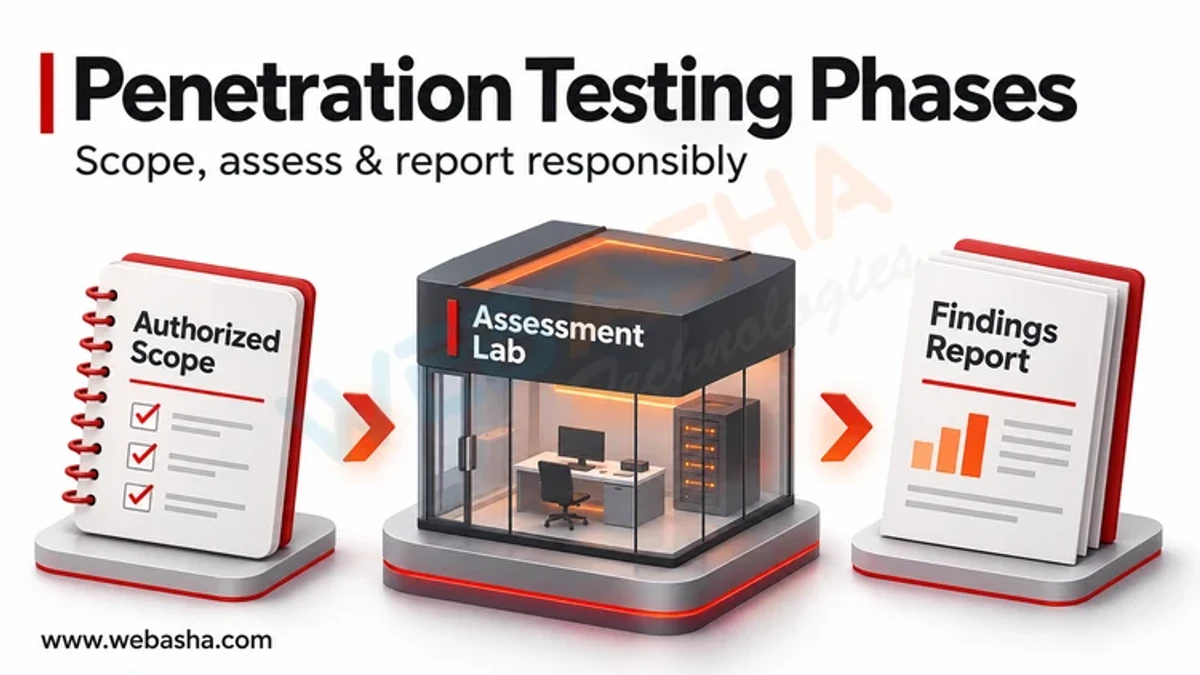
A penetration test follows defined phases. The Penetration Testing Execution Standard (PTES) lists seven: pre-engagement interactions, intelligence gathering, threat modelling, vulnerability analysis, exploitation, post-exploitation and reporting. NIST SP 800-115 groups the work into four: planning, discovery, attack and reporting.
What Is Network Scanning? Types, Detection and Defence Explained

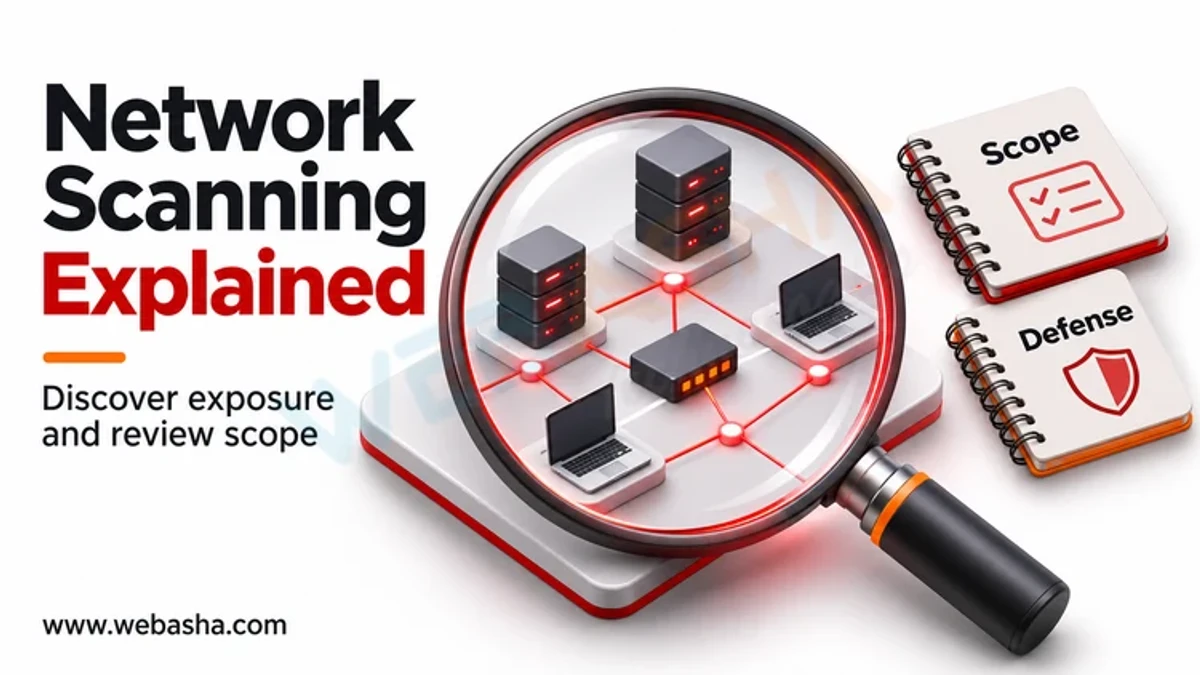
Network scanning is the process of sending probes to a range of addresses to find live hosts, open ports, running services and known weaknesses. It has four common types: host discovery, port scanning, service and version detection, and vulnerability scanning. Attackers scan to find targets, while defenders and authorised testers scan their own networks to find exposures before attackers do.

Types of Scanning in Cybersecurity: Port, Network and Vulnerability

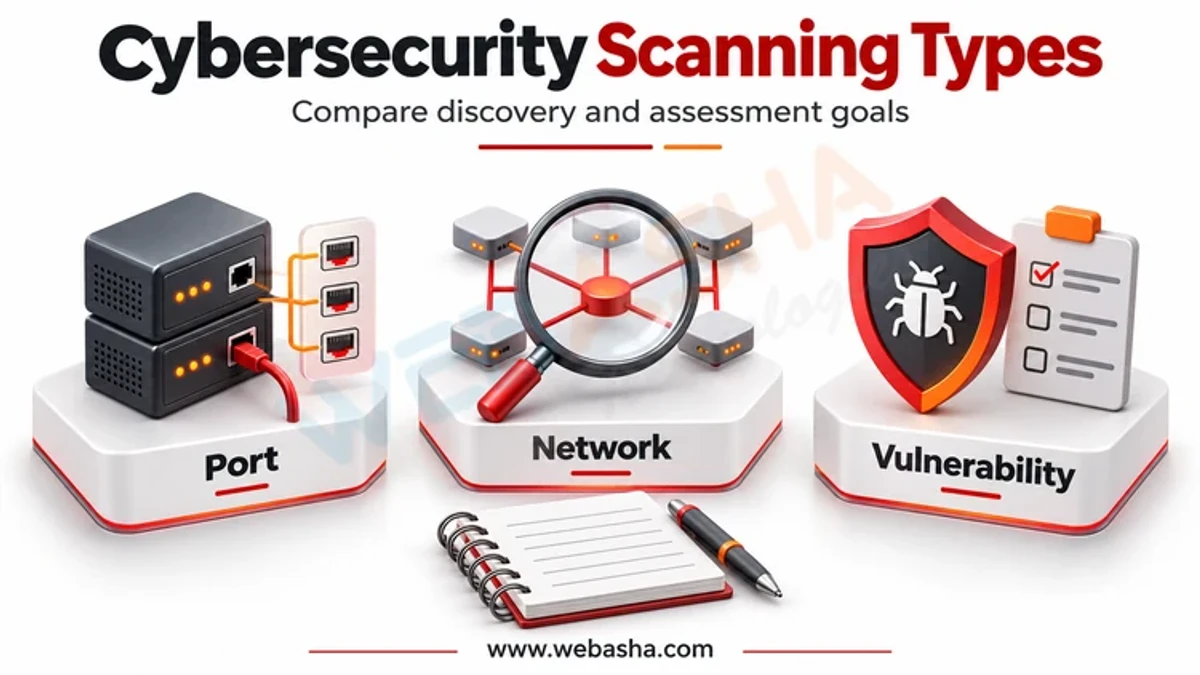
Scanning in cybersecurity means actively probing systems to learn what is on a network and where it is weak. The three main types are network scanning, which finds live hosts and maps the network; port scanning, which finds open, closed and filtered TCP and UDP ports and the services behind them; and vulnerability scanning, which checks those services and software for known flaws and misconfigurations.

Network Scanning Explained: How to Detect and Defend Against Scans

Network scanning is the automated probing of IP addresses and ports to find live hosts, open services and software versions. Attackers scan to pick targets; defenders scan their own networks to find exposure first. You cannot stop the internet from scanning you, but you can shrink what scans find and spot the scans that matter.

Preparing for a Penetration Testing Interview

Prepare for a penetration testing interview by studying the advertised assessment scope and practising how you explain a finding from evidence to remediation. Refresh the systems involved, distinguish tool observations from confirmed conclusions and be clear about permission and stop conditions. Use honest examples from work, study or authorised labs and disclose your contribution.

Penetration Testing Tools: What Their Results Can Tell You

Choose penetration testing tools according to the authorised question you need to answer. Nmap supports network and service observations; Burp Suite and ZAP support web assessment workflows; Wireshark helps inspect captured traffic. Their outputs require interpretation and do not prove that every reported condition is exploitable or that an unreported weakness is absent.

Programming for Ethical Hacking: Read, Check and Automate

Programming requirements depend on the assessment task. Understanding a small script, reviewing application logic and developing reliable automation are different levels of work. Begin by reading inputs, conditions and output using safe offline examples. Learn enough networking and operating-system context to understand what a program would affect before running unfamiliar code.

Havij SQL Injection Tool: Provenance and Safer Learning

Havij is associated with automated SQL injection testing in historical security reporting. Its name alone does not establish that a download is authentic, maintained or appropriate for a current assessment. Check provenance and avoid running an unverified binary just to follow an old tutorial.

OpenVAS Assessment: Feeds, Detection Quality and Reporting

OpenVAS and the wider Greenbone stack support vulnerability assessment through tests, management services and reports. Good practice starts with the exact deployment, approved targets and current feed state. Interpret severity separately from Quality of Detection, or QoD, and confirm whether authenticated checks actually had the required access.

Nikto: Validate Web Server Findings Before Reporting

Nikto is an open-source web server scanner that helps identify observations worth reviewing, including server information and potentially problematic resources. Its output needs validation against the actual host, response content and software maintenance records. A version banner is not a complete patch inventory, and a successful HTTP response does not prove a sensitive resource was exposed.

Burp Suite: Keep Web Testing Evidence Repeatable

Burp Suite provides tools for inspecting web messages, repeating approved requests and comparing responses. Its value depends on the question being tested and the evidence retained, not simply on changing a request. Record the application role, session context and relevant response before drawing a conclusion.

AI and Ethical Hacking: Agree Assistance Before Using It

AI assistance in ethical hacking needs an agreed task, permitted data and clear limits on connected tools. A system owner authorising an assessment has not necessarily authorised uploading its records to an external AI service or letting an assistant issue additional requests. Review those arrangements before use, verify generated claims and retain a responsible human decision-maker.

Burp Suite: A Practical Web Testing Workflow

Burp Suite helps authorised testers inspect web traffic, repeat selected requests and organise evidence. A useful workflow begins with written scope and a normal application journey, then connects observations to careful follow-up tests and a report someone else can reproduce. Product editions provide different capabilities, so check the documentation for the edition you use.

VAPT Interview Questions for an Evidence Review Panel

VAPT interviews can test how you apply familiar concepts when a report is incomplete or a system changes. Explain the assessment objective, relevant web risk, tool contribution and supported finding before discussing a fix. The ten practice questions here follow a fictional booking portal whose failed test belongs to an older release while the remediation ticket refers to a newer one.

Will AI Replace Ethical Hackers? Workflows, Limits and Skills

AI can change ethical hacking tasks, including evidence review, explanation and report drafting, but current capabilities do not establish a reliable prediction about every future job. Evaluate the actual workflow, its authority and the quality of its results. The invented draft below makes a claim that its cited advisory does not support and recommends an unapproved action.